Dr. Arielle Walton, a Nashville veterinarian, blends Chinese and Western medicine to provide holistic care, specializing in acupuncture, herbal therapy, and whole-food nutrition.
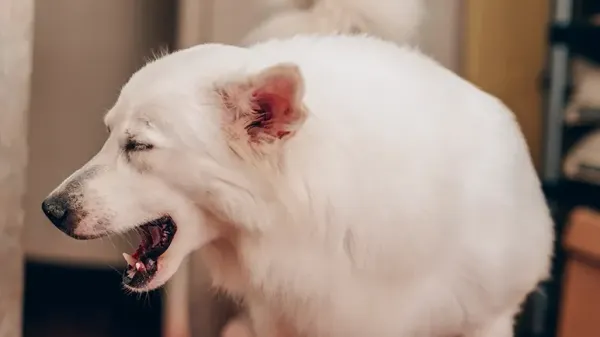
That odd-sounding cough could be more than a tickle in the throat. Here's what's behind it, who's most at risk, and how to help your dog feel like themselves again.
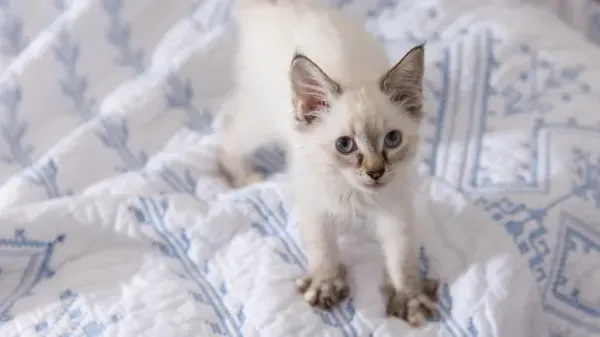
The next time your cat climbs into your lap and starts pressing those tiny paws into your leg, something quietly remarkable is happening. It's one of the most intimate compliments a cat has, and it says more than you'd think.
Your anxious dog or cat may not be broken, disobedient, or in need of another training class; they may simply be a highly sensitive animal whose energetic system is asking for a different kind of support. The practices that help are gentler and simpler than you'd expect.
Your older dog's insatiable appetite, thinning coat, and pot belly could point to Cushing's disease, a common hormonal disorder in dogs. Here are the symptoms to watch for and what you can do to support your dog's health.
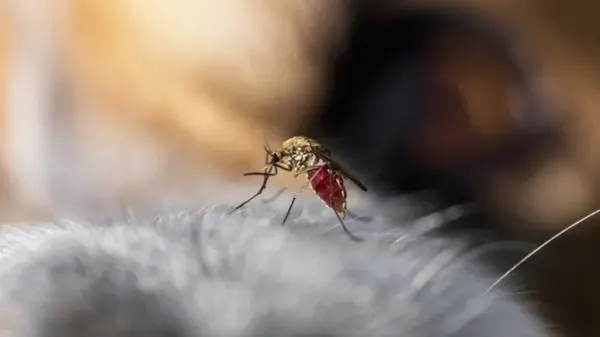
Warm weather means more time outside and more chances for your dog to run into a biting insect along the way. Knowing what's a minor annoyance and what needs a same-day vet visit can turn a scary moment into a 5-minute fix.
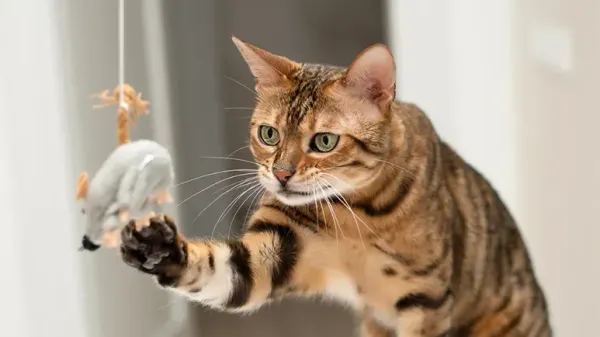
Your cat’s daily habits — from hunting to sleeping — come straight from their wild ancestors. Here’s what that means, and how it can help you take better care of them.
There's a system inside your dog that quietly clears waste, filters toxins, and defends against infections around the clock. And unlike the heart, it has no pump of its own, meaning your daily habits play a bigger role in its performance than you might realize.
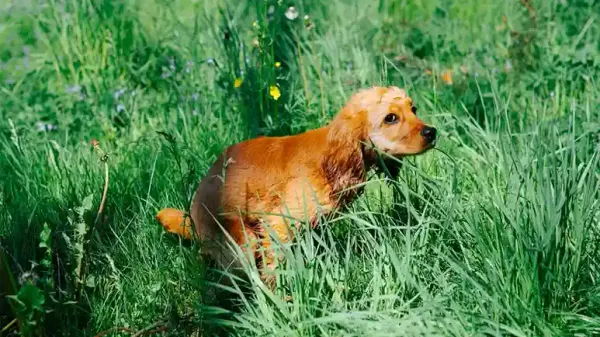
The color and texture of your pet's stool are one of the earliest and most reliable ways to spot trouble before it becomes serious. A glance during your pet’s daily walk is one of the highest-value habits you can build.
Hearts are astonishingly patient; they keep working through a lot and hide trouble until they can't anymore. A slower walk, a soft cough, or breathing that seems a little faster than usual can be your pet's earliest way of asking for help, and catching that signal changes everything.