What Your Pet's Poop Is Trying to Tell You
The color and texture of your pet's stool are one of the earliest and most reliable ways to spot trouble before it becomes serious. A glance during your pet’s daily walk is one of the highest-value habits you can build.
Reviewed by Dr. Arielle Walton


Join the Bark & Whiskers™ Family
Sign up today for our FREE newsletter, packed with expert advice and insider tips to keep your beloved pet in tip-top shape.
View our Privacy Policy and Terms of Service.


STORY AT-A-GLANCE
- Healthy dog poop is chocolate-brown, moist, and log-shaped. That color comes from bilirubin, a bile pigment produced during normal digestion
- Veterinarians evaluate stool using four criteria: color, consistency, content, and coating
- Milder color shifts (green, yellow, or orange) are often diet-related and usually resolve within a day or two, but they can also point to digestive issues or even a medical emergency
- Serious colors demand quick action: black or tarry stool signals upper GI bleeding, bright red points to lower GI bleeding, and grey suggests fat malabsorption or pancreatic issues
- Diet is the single biggest driver of stool quality; fresh, whole-ingredient foods with balanced fat and fiber tend to produce more consistent stool. In contrast, sudden diet switches, low-quality processed foods, and microbiome disruptions (from antibiotics or stress) commonly cause color and texture changes
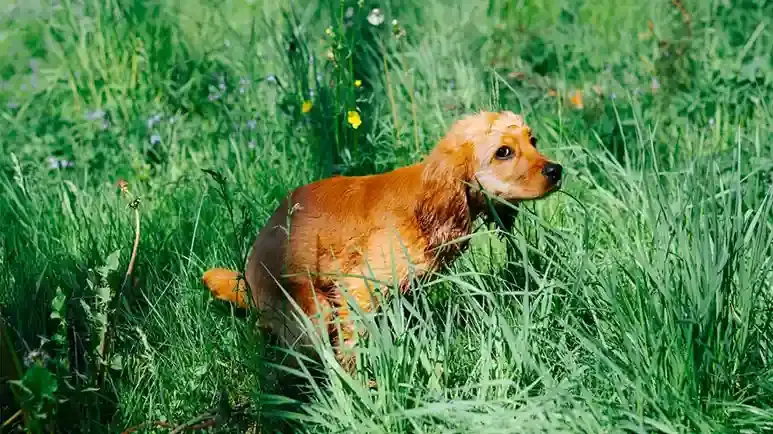
Nobody wakes up excited to inspect their dog's business. But every walk with a poop bag in hand is also a small opportunity to check in on one of the most honest health indicators your pet has.
The color, texture, and consistency of your dog's stool can say a surprising amount about what is happening inside your pet's digestive system. Sometimes the message is simple: Everything is fine. However, there are times that the message is anything but simple, and it is often the first clue that something needs attention.
What Healthy Poop Looks Like
Normal dog poop is chocolate brown, moist but firm, and comes out in solid, log-like segments that hold their shape when you pick them up. That familiar color comes from a bile pigment called bilirubin, produced by the liver as it processes old red blood cells.
As stool moves through the gut, bacteria convert bilirubin into stercobilin, the compound that gives healthy poop its chocolate hue. When the liver, gallbladder, or pancreas are struggling, or when digestion is moving too fast or too slow, that transformation gets disrupted, and the color shifts.1,2
The 4 C's Veterinarians Look For
Vets do not just look at color. They evaluate stool using four criteria, and each one tells a different part of the story:
- Color — Tells you about bile flow, organ function, and possible bleeding
- Consistency — Reflects hydration and how well the large intestine is doing its job
- Content — Refers to what shows up in the stool: worms, undigested food, foreign material, or unusual fur
- Coating — Means anything visible on the outside of the stool: mucus, blood, or an oily sheen
Together, these four give a much fuller picture of your pet's digestive health than any single detail could.
The Color Guide
Once you know what to look for, the color of your pet's stool becomes one of the easiest health readouts you have. Here is what each shade tends to mean, and how urgently it needs your attention:3,4,5
- Chocolate brown is the goal — Firm, chocolate-brown, log-shaped stool means everything is working. Digestion is efficient, bile is flowing, and the gut microbiome is balanced — no action needed. Just keep an eye on it and maintain a consistent diet.
- Green may usually be because of grass, sometimes not — Green poop most often means your dog has been snacking on grass. If you saw them go to town on the lawn, monitor for 24 hours, and it usually resolves.
If your dog has not been eating grass, or the green persists, that is a different story. Green stool can point to a gallbladder issue that is affecting bile release, intestinal parasites, or gut transit that is moving too quickly for bile to be fully processed.
Bright green (rather than dark green) can also be a sign of rodenticide ingestion. That is a medical emergency, so if you suspect your dog got into rat or mouse bait, head to the emergency vet immediately. - Yellow or mustard can indicate the presence of bile — Yellow or mustard-colored stool often points to food intolerance, rapid gut transit, or issues with the liver, gallbladder, or pancreas. It is also common during diet transitions, when the digestive system is still adjusting to something new.
If the yellow is short-lived and connected to a recent diet change, monitor for a couple of days. If it persists across more than two bowel movements, or if it is paired with vomiting, lethargy, or weight loss, call your vet. - Orange entails a closer look at the liver — Orange stool can be as simple as a lot of carrots or sweet potato in yesterday's dinner. However, it can also mean food is moving through the GI tract too quickly for bile to break it down fully, or that the bile duct or liver is not functioning as it should.
If diet explains the orange, watch for a day or two. If not, or if the color sticks around, that is a vet call. Orange stool paired with signs of liver trouble (yellowing gums, loss of appetite, and vomiting) is more urgent.
The Stool Colors That Warrant a Vet Call
Not every off-colored stool is an emergency, but some colors should never be ignored. These are the ones that mean something is happening beneath the surface, and where waiting rarely helps.6,7,8
- If stool is grey or greasy, do not wait — Grey stool, especially if it looks greasy or unusually foul-smelling, is not a wait-and-see color. It typically signals trouble with fat absorption, which can point to pancreatic, liver, or gallbladder problems.
One condition that produces greasy grey stool is exocrine pancreatic insufficiency, where the pancreas is not producing enough digestive enzymes. It is treatable, but it needs a diagnosis. - Black and tarry should never be ignored — Black, sticky, tar-like stools (known as melena) indicate digested blood, which means bleeding somewhere in the upper digestive tract — the stomach or small intestine.
Possible causes include ulcers, tumors, blood-clotting disorders, foreign objects, or toxin ingestion. Certain medications (like some NSAIDs or steroids) can also darken stool. - Red or bloody stool is also urgent — Bright red streaks or fresh blood in stool (called hematochezia) point to bleeding in the lower digestive tract or colon. A single small streak from straining is less alarming in isolation, but anything more or anything recurring needs veterinary evaluation.
Red stool can signal inflammatory bowel disease, colitis, parasites like hookworms or whipworms, anal gland problems, ulcers, acute trauma, or in more serious cases, parvovirus, bacterial infections, hemorrhagic gastroenteritis, or tumors.
Sometimes a red tint is just diet — beets or red food coloring can temporarily dye stool. But when in doubt, treat it as urgent, especially if there is lethargy, vomiting, or a large amount of blood. - White or chalky could be triggered by diet or something more — Chalky white stool is most often seen in dogs on raw diets that include a lot of bone. The excess calcium produces the pale color. If your pet is eating a bone-heavy raw diet, reducing the bone content usually solves it.
If your pet is not on a raw diet, white stool can point to bile deficiency (the pigment that colors stool is not making it into the gut) or pancreatic issues. That warrants a vet visit.
White specks in otherwise normal-looking stool are a separate story. If the specks are moving, that is a sign of intestinal worms like tapeworm, roundworm, or hookworm, and your dog needs a deworming visit. If the specks are not moving, they are usually undigested food or bone bits.
Mucus-coated white or pale stool can also indicate large bowel inflammation, which is another reason to check in with your vet. - Purple or jam-like poop is rare but serious — Deep red-purple stool with a jam-like consistency can be a sign of hemorrhagic gastroenteritis (HGE). This sudden and serious condition causes bloody diarrhea. It can also point to hormone issues like Addison's disease.
Purple or jam-colored stool paired with vomiting, lethargy, or fever is an emergency and needs immediate veterinary care.
Consistency Matters Too
Color is only half the story. Consistency tells you about hydration, digestive function, and how well the large intestine is absorbing water. Here's a useful mental scale for consistency:9,10
- Firm and well-formed logs — Ideal
- Hard, dry pellets — Possible dehydration or low fiber
- Soft but still holds shape — Okay, but might mean a mild imbalance
- Loose and unformed — Could be food intolerance, stress, or a digestive upset
- Watery diarrhea — May indicate infection, parasites, or serious inflammation
A mucus coating suggests colon inflammation. A greasy sheen suggests poor fat digestion. Undigested food can mean rapid transit or malabsorption. All are worth mentioning to your vet if they persist.
Diet's Big Role
What goes in shapes what comes out. Diet is the single biggest driver of stool color, texture, and frequency. Highly processed foods, fillers, artificial preservatives, and sudden diet switches can all produce gas, soft stools, mucus coatings, or off-color poop.
Fresh, whole-ingredient diets and consistent feeding routines tend to produce more predictable stools. Too much fat can create greasy grey stool. Too little fiber can create dry, crumbly poop. Balance matters.
When switching foods, transition slowly over seven to 10 days. A sudden change is one of the most common causes of temporary diarrhea and color changes.11
A few diet-related color shifts are benign: green leafy vegetables (spinach, kale, broccoli) can tint stool green; beets or red food dyes can produce reddish-brown stool; carrots or sweet potato can push it toward orange; iron supplements or certain medications can darken it. If diet explains the change and your pet is acting normally, monitor and move on.12
Supporting the Gut Underneath It All
A healthy gut microbiome plays a quiet but essential role in normal stool color and consistency. Balanced gut bacteria help regulate transit time, reduce intestinal inflammation, and keep bile processing on track. When the microbiome is disrupted — by antibiotics, stress, or a poor diet — stool color and texture can shift even without an underlying organ disease.
Practical support looks like this: consistent, high-quality food; adequate fiber (found in pumpkin, psyllium, and prebiotic-rich foods); fresh water always available; minimizing unnecessary antibiotics; and considering a probiotic supplement for pets with recurring stool issues. Always run supplement changes past your vet.13
When to Call Your Vet
Some patterns call for a same-day or emergency visit. Others just need monitoring. Here's a useful rule of thumb to keep in mind:14,15
Emergency (go now):
- Black, tarry, or coffee-ground stool
- Bright red blood in large amounts, or blood with lethargy or vomiting
- Bright green stool with suspected rodenticide exposure
- Purple or jam-like stool with fever, vomiting, or lethargy
- Severe diarrhea with weakness or dehydration
Same-day call:
- Grey or greasy stool
- White chalky stool in a pet not on a raw diet
- Persistent yellow or orange stool that lasts more than two bowel movements
- Any unusual color paired with vomiting, lethargy, or appetite loss
- Moving white specks (worms)
Monitor for 24 to 48 hours:
- A single off-colored stool with no other symptoms
- Diet-explained color changes after switching foods
- Green stool after obvious grass eating
Helpful Habits for Pet Parents
Learning to read your pet's poop takes almost no time and can save you a lot of guessing later. Here are a few habits worth building:16
- Know your pet's baseline. What is normal for your pet? Color, size, and frequency may differ from another animal. Consistency in your pet's own patterns matters more than matching a universal standard.
- Take photos when something looks off. A clear photo can be tremendously useful at the vet, especially if the symptoms come and go.
- Save a sample when possible. Bringing a fresh sample in a clean container to the vet gives them something to test.
- Log the details. A short note in your phone about a diet change, a new treat, or a stressful event can help your vet spot patterns.
A Quick Word on Cats
Most of the same principles apply to cats, with a few extra notes. Cats often signal stress through litter box changes before their stool colors shift dramatically.
Because cats are more private about their bathroom habits, checking the litter box regularly is the equivalent of the daily walk-check for dogs. Any of the emergency colors — black, tarry, bright red, chalky white, or persistent yellow — warrant a vet call for cats too.
The Daily Check-In That Pays Off
Your pet's poop is doing its best to tell you what is going on inside. Most of the time, the message is boring and reassuring: chocolate brown, firm, log-shaped, and unremarkable. But when the color or texture shifts, that change is usually meaningful.
You do not need to memorize every possible shade. You just need to know what normal looks like for your pet, notice when it changes, and understand which changes need same-day attention and which can wait a day or two.
A little bit of daily awareness is one of the simplest, most powerful things you can do for your pet's long-term health. So keep taking that glance before you tie the bag. It is a small habit that can catch a lot before it becomes a big deal.
Sources and References
- 1,3,6,12,13 Plentum, June 3, 2026
- 2,4,7,9,15 Chewy, July 24, 2026
- 5,8,10,11,14,16 Spot and Tango, August 11, 2025

Better Health Begins in the Bowl
Better Health Begins in the Bowl
The Ultimate Pet Nutrition Guide was created to help dog and cat parents understand what truly supports lifelong health.
In this free guide, you’ll discover:
-

How your pet’s biology influences their nutritional needs
-
Why conventional feeding advice often falls short
-
Practical ways to choose better food for your dog or cat
View our Privacy Policy and Terms of Service.