The foods listed here are generally safe for pets, and can be used for homemade treats or added to their nutritionally balanced, species-appropriate meals in moderate amounts.
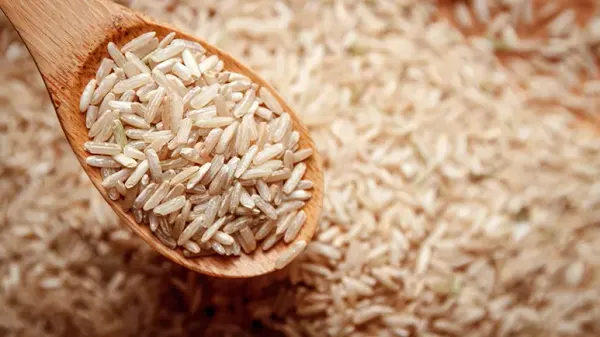
People who want to 'eat healthy' often opt for this grain as an alternative to white rice, because it's less processed and said to be more nutritious. But can it be good for your pets as well?
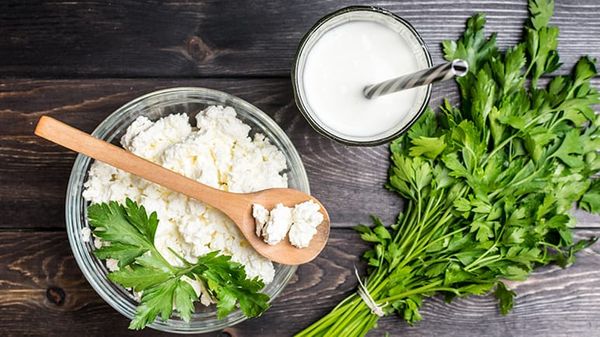
Your pet's gut health plays a crucial role in their biological functions and protection against diseases. Give them this key ingredient to keep their gut in check.
Just like broccoli, this cruciferous vegetable contains a powerful compound that can stimulate over 200 genes and has multiple benefits. Here's how to share it with your pets.
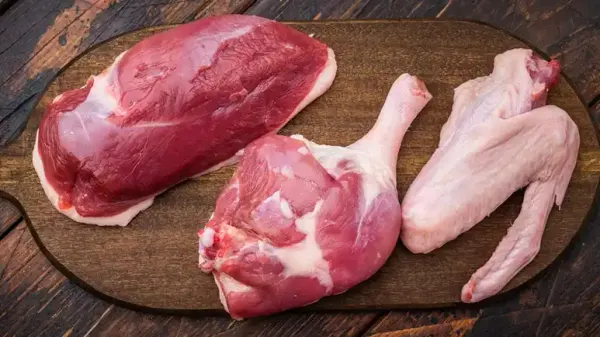
While your dog or cat may enjoy chicken or beef regularly, it's good to introduce them to new flavors every once in a while. This alternative protein may be a healthy, enjoyable way to change things up.
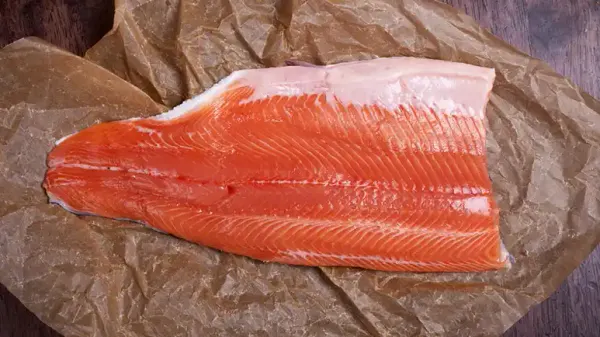
Cooked gently and without seasonings, this protein alternative is rich in astaxanthin and omega-3 fats. Tip: Make sure to select wild-caught varieties for maximum benefits.
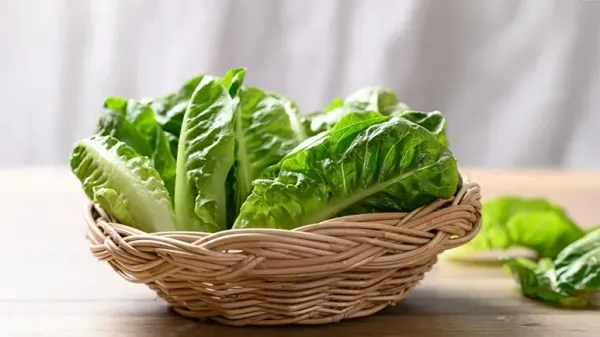
Summer salads wouldn't be complete without this crispy green veggie. Although it's 90% water, it still offers nutrients that may help support your pet's well-being.
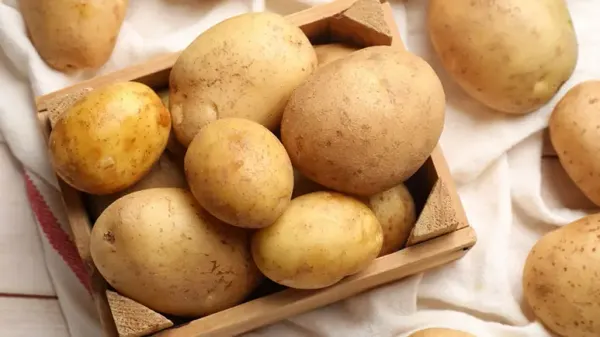
A staple in many kitchens, this tuber may protect against oxidative stress and inflammation, according to research. However, remember to feed it in moderation.
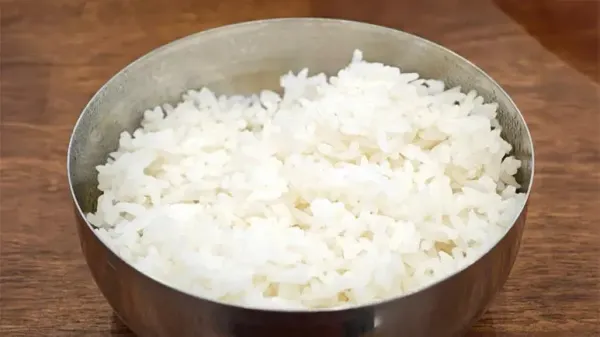
Fluffy, starchy, and compliments many dishes, this grain is a staple in many cuisines. Does it deserve a spot in your pet's meals, too? Read this article to find out.