Could Your Pet's Clean-Up Crew Use a Hand?
There's a system inside your dog that quietly clears waste, filters toxins, and defends against infections around the clock. And unlike the heart, it has no pump of its own, meaning your daily habits play a bigger role in its performance than you might realize.
Reviewed by Dr. Arielle Walton



Join the Bark & Whiskers™ Family
Sign up today for our FREE newsletter, packed with expert advice and insider tips to keep your beloved pet in tip-top shape.
View our Privacy Policy and Terms of Service.



STORY AT-A-GLANCE
- The lymphatic system is your dog's internal drainage and immune network that carries lymph fluid, clears cellular waste, transports fats and immune cells, and helps launch immune responses when threats appear
- Unlike blood circulation, the lymphatic system has no pump; it relies entirely on muscle contraction, movement, breathing, and hydration to keep lymph flowing
- Signs of a sluggish lymphatic system can be subtle and easy to miss: chronic skin issues, recurring infections, slow wound healing, low energy, puffy lymph nodes, and persistent yeast or bacterial problems are all worth paying attention to
- The highest-impact supports are the simplest ones: daily movement (walks, gentle play, swimming), consistent hydration, moisture-rich whole foods, and reducing the toxic load coming in from processed food, tap water, and unnecessary household chemicals
- Complementary strategies can add real value, like gentle skin brushing and lymphatic massage toward the heart, lymph-supportive herbs (under veterinary guidance), acupuncture, and adequate rest
If your dog seems a little sluggish lately, keeps getting the same skin issues, or takes longer to bounce back from a minor injury, there's a system inside them doing a lot of quiet work that rarely gets mentioned. It has no dedicated pump, no glamorous imagery, and no household name.
It's the lymphatic system. And while most pet parents can name the heart or the liver in a heartbeat, this one usually gets skipped. That's a shame, because supporting a dog's lymphatic system is one of the most underappreciated things you can do for their long-term health.
What the Lymphatic System Actually Does
Think of the lymphatic system as your dog’s internal drainage and immune network. It’s a web of vessels, nodes, and organs that moves a clear-to-milky fluid called lymph through the body. Lymph carries white blood cells, proteins, fats, and cellular waste. Key parts of the system include:1,2,3
- Lymph vessels that carry lymph fluid throughout the body
- Lymph nodes, which cluster under the jaw, in the armpits, groin, and other spots, act as checkpoints that filter and screen for threats
- The spleen, which filters blood and lymph
- The thymus, which trains immune cells (especially in young animals)
- Tonsils and adenoids, which protect entry points like the mouth and nose
The system's job list is impressive. It clears out waste, transports fats from the digestive tract, produces antibodies, delivers nutrients to muscles and tissues, and helps launch immune responses when pathogens show up. Some call it the body's garbage truck, but that undersells it; it's more like the sanitation crew, quality-control team, and rapid-response unit rolled into one.
Why It Needs Your Help
Here’s the catch: Unlike the circulatory system, which has the heart to push blood around, the lymphatic system has no central pump. It relies entirely on muscle contraction, movement, breathing, and hydration to keep lymph flowing.4,5
That means dogs who are sedentary, dehydrated, recovering from illness, or under chronic stress are more likely to have sluggish lymph flow. And when lymph gets stagnant, the whole cleanup process slows down. Waste builds up, inflammation rises, and immunity dips.
This isn’t a fringe idea. Movement, hydration, and reducing toxic load are the pillars of a well-functioning lymphatic system. The good news is that all three are within your reach.
Signs Your Dog’s Lymphatic System May Be Sluggish
A quietly under-functioning lymphatic system can produce a scattered set of symptoms that are easy to attribute to something else. Some of the more common signs include:6,7,8
- Chronic skin issues, hotspots, or itchiness
- Recurring infections
- Slow wound healing
- Swollen or puffy lymph nodes, especially under the jaw or in the groin
- Swelling in the limbs or face
- Lethargy or low energy
- Persistent yeast or bacterial issues
- Frequent eye drainage or crusty skin
- Joint stiffness or discomfort
Dogs with allergies, autoimmune conditions, or chronic inflammation are particularly prone to lymphatic congestion.
A quick note: Serious lymph-related conditions such as lymphoma, lymphadenitis, or lymphedema are medical issues that require proper veterinary evaluation and treatment. Lifestyle support may not be enough to replace that care.
Movement: The Single Best Thing You Can Do
If there’s one habit that has the biggest impact on lymph flow, it’s regular movement. Every step, stretch, and deep breath acts as a pump for the lymphatic system. You don’t need marathons. Even moderate daily exercise makes a meaningful difference. Try these options:
- Daily walks, even short ones
- Gentle play sessions like fetch or tug
- Stretching and bowing are natural lymph-friendly motions dogs do on their own
- Swimming or hydrotherapy, especially for senior dogs or those with joint issues
- Sniffing walks that combine mental and physical engagement
Dogs who spend most of the day resting or in a crate benefit especially from consistent movement. Stagnant lymph is where inflammatory markers and cellular debris accumulate, which can interfere with immune function over time.
Hydration Matters More Than You’d Think
Lymph is mostly water. If your dog is chronically under-hydrated, their lymph literally can’t move well. Here are a few ways to keep hydration in the sweet spot:
- Provide clean, filtered water throughout the day.
- Add moisture to meals with bone broth, gently cooked food, or fresh options.
- Watch for signs of dehydration — dry gums, thick saliva, and less-elastic skin.
- Consider a water source you’d be willing to drink yourself, since heavy metals, chlorine, and other contaminants add to the body’s toxin load.
Dogs eating exclusively dry food may run a little drier overall than dogs eating moisture-rich meals. Adding a splash of water or broth to kibble is one of the easiest changes you can make.
Diet and the Toxic Load
What goes into the body affects how hard the lymphatic system has to work to clean up. Diets heavy in ultraprocessed ingredients, artificial additives, and low-quality fillers give the body more junk to process.
A cleaner, whole-food-oriented diet — real proteins, fresh vegetables, and some moisture — tends to reduce strain. Whether that means home-prepared meals, a high-quality fresh diet, or simply upgrading treats and toppers, the principle is the same: less to filter out means less lymphatic burden.
Some pet parents also add specific foods believed to support the lymph system. Beets, for example, are traditionally used to support liver function and help transport waste for elimination.9,10
Skin Brushing and Massage
The lymphatic system runs close to the skin's surface, which is one reason gentle skin brushing and massage can help move lymph. Because the vessels sit so close to the surface, you don't need deep pressure to make a difference — light, consistent strokes are enough to encourage flow.11,12
- Dry brushing — Using a firm-bristle grooming brush, gently stroke your dog’s coat and skin in the direction of the heart. You don’t need deep pressure. Start from the paws and move upward. Most dogs enjoy this as an extra form of attention.
- Lymphatic massage — Sometimes described as "petting with a purpose," lymphatic massage uses light, sweeping strokes toward the heart. Focus areas include the underside of the neck, chest, behind the front legs, groin and inner thighs, and along the spine and underbelly.
Roger DeHaan, DVM, a holistic vet from North Carolina, suggests vigorously rubbing the right side of your dog’s rib cage, over the last three ribs, for 10 to 15 seconds once a day to stimulate lymph flow. It’s a small habit with a nice bonus of connection.13
Lymph-Friendly Herbs
Traditional herbalists have long used specific plants to support lymphatic health. Any herbal supplementation should be done in consultation with your vet, especially if your dog is on medications or has existing health conditions. That said, herbs commonly associated with lymph support include:14,15
- Cleavers (Galium aparine) — The classic lymphatic decongestant, often used in tincture form
- Calendula — Anti-inflammatory and tissue-supportive
- Red clover — A mild blood purifier and lymph mover
- Burdock root — Supports lymph and liver detoxification
- Echinacea — Modulates immune response and supports lymph tissue
These are usually offered as glycerin-based tinctures, teas, or dog-safe supplement blends. Dosing depends on the herb, the form, and your dog’s size, which is why professional guidance matters.
Acupuncture, Acupressure, and Red Light Therapy
For pet parents interested in complementary approaches, a growing number of holistic veterinarians offer therapies that may support lymph flow, including:16
- Acupuncture — Involves tiny needles at specific points; practitioners report improved circulation and lymph movement.
- Acupressure — The same points, without needles. It can be done at home with guidance from a good resource.
- Red light therapy (also called photobiomodulation or low-level laser therapy) — Uses specific wavelengths of light to stimulate cellular activity, reduce inflammation, and support circulation. It’s often available through veterinary chiropractors or acupuncturists.
Not every dog needs these therapies, but they can be useful additions for older animals, dogs recovering from surgery or injury, or those with chronic lymphatic sluggishness.
Reduce the Toxic Load Coming In
Every substance your dog encounters in food, water, cleaning products, treatments, and the environment eases the lymphatic system's job or adds to it. A few simple shifts can lower that load:
- Choose filtered water rather than untreated tap water when possible.
- Store food and treats in glass or stainless steel rather than plastic.
- Avoid unnecessary chemical cleaners and artificial fragrances.
- Choose natural flea and tick options in discussion with your vet.
- Reduce or eliminate ultraprocessed treats.
Small changes here add up over months and years. The lymphatic system doesn't need perfect conditions; it just needs to not be constantly overwhelmed.
Chronic stress and poor sleep can impair immune response and slow lymphatic drainage. Support healthy rest by giving your dog a quiet, cozy sleep space, keeping a predictable daily rhythm, and providing mental enrichment without overstimulation. Calming supplements like chamomile or L-theanine may help anxious pets, ideally under veterinary guidance.
Nothing on this list is a magic fix, but together they create a whole-body approach that lightens the load on one of the hardest-working systems your dog has. Everything that helps the lymphatic system also tends to help the rest of the body. Better hydration helps the kidneys. More movement helps the joints. Cleaner food helps the gut. Reduced toxin exposure helps the liver. It's the kind of care that stacks.
Give the Clean-Up Crew Some Credit
Your dog’s lymphatic system isn’t going to send you a thank-you note. It’s not going to lick your face or wag its tail. But it’s quietly working around the clock to keep your pet’s immune defenses sharp, their tissues nourished, and their internal environment tidy.
Support the lymph, even a little, and you'll often see the results elsewhere: shinier coat, steadier energy, fewer nagging skin issues, faster recovery from small setbacks. That's the sign of a lymphatic system that's finally getting the help it deserved all along.
Sources and References
- 1,5,6,12,15 The Organic Dog Shop, February 20, 2025
- 2,4,7,9 Steve’s Real Food, April 16, 2025
- 3,8,10,11,13,14,16 Whole Dog Journal, December 15, 2021

Better Health Begins in the Bowl
Better Health Begins in the Bowl
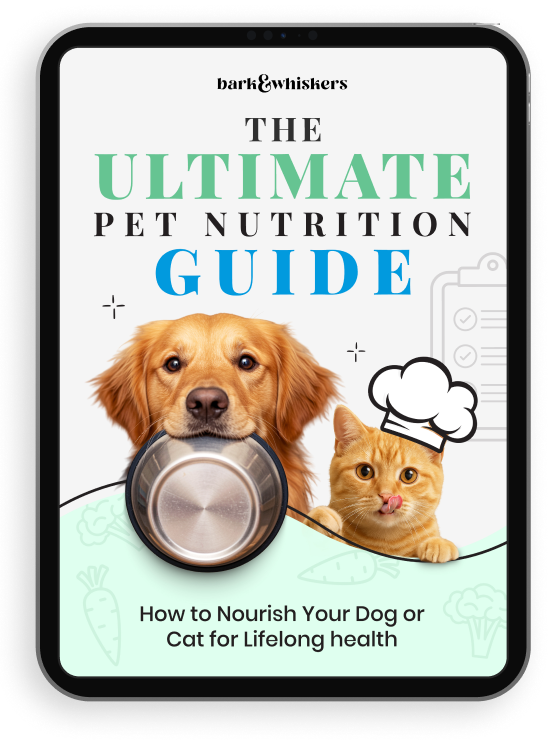
The Ultimate Pet Nutrition Guide was created to help dog and cat parents understand what truly supports lifelong health.
In this free guide, you’ll discover:
-

How your pet’s biology influences their nutritional needs
-
Why conventional feeding advice often falls short
-
Practical ways to choose better food for your dog or cat
View our Privacy Policy and Terms of Service.