This Simple Diet Shift Could Soothe Daily Discomfort
Even small changes can make a meaningful difference in how your dog feels each day, especially if they struggle with inflammation, allergies, or digestive discomfort.
Reviewed by Dr. Elizabeth Hardoon




Join the Bark & Whiskers™ Family
Sign up today for our FREE newsletter, packed with expert advice and insider tips to keep your beloved pet in tip-top shape.
View our Privacy Policy and Terms of Service.



STORY AT-A-GLANCE
- Chronic inflammation is a hidden driver of discomfort in dogs, affecting joints, skin, digestion, immunity, and overall health and energy levels
- Diet is one of the most effective ways to calm inflammation, and even small improvements in food quality can make a big difference in how your dog feels each day
- Anti-inflammatory whole foods like berries, leafy greens, sweet potatoes, pumpkin, mushrooms, tomatoes, and omega-3-rich fish help cool inflammation naturally and support long-term wellness
- Avoiding ingredients that fuel inflammation, such as artificial preservatives, low-quality fillers, rendered meat meals, and omega-6-heavy oils, can further protect your dog’s health
- Simple strategies like introducing new foods slowly, lightly cooking vegetables, switching to an organic diet, and following the 10% rule help you add anti-inflammatory nutrition safely and successfully at home
If your dog seems stiff getting up in the morning, scratches more than usual, or just isn’t as bright-eyed as they used to be, it could be a sign that inflammation is quietly affecting their comfort and well-being. This kind of inflammation is easy to miss because it works slowly in the background — but you can usually spot its effects in your dog’s skin, joints, digestion, and energy levels.
The encouraging news is that one of the most effective ways to ease this daily discomfort is as simple as changing what goes in your dog’s bowl. The right foods can help calm inflammation naturally, support long-term health, and help your dog feel better from the inside out.
Why Inflammation Becomes a Problem
Inflammation is the body’s natural defense against injury or illness. It’s helpful in the short term — for example, when your dog gets a scratch or fights off a virus. The trouble starts when inflammation becomes constant.
Chronic inflammation works silently and can affect many areas of a dog’s health. It is connected to joint pain, allergies, digestive issues, heart problems, metabolic disorders, kidney disease, autoimmune conditions, obesity, gum disease, and even cancer.1
Because it builds slowly, many dogs live with discomfort for years before their symptoms are recognized for what they are.
6 Factors That Fuel Inflammation in Dogs
Several everyday factors can push your dog’s body into a state of chronic inflammation, including:2
- Processed or low-quality diets — Many mass-produced dog foods rely on cheap fillers, artificial preservatives, food dyes, and rendered meat meals. These ingredients can strain your dog’s immune system and create internal irritation.
- An unbalanced gut — The gut plays a major role in the immune system. When the good bacteria are disrupted, often because of heavily processed food or limited fiber, inflammation tends to rise.
- Excess weight — Fat cells release inflammatory chemicals, and extra weight also puts pressure on the joints.
- Environmental triggers — Dust, pollen, mold, smoke, and household chemicals can set off inflammatory reactions, especially in sensitive dogs.
- Wear and tear from aging — As dogs grow older, inflammatory joint changes often develop.
- Overuse of certain medications — Long-term use of some drugs can stress the immune system and organ function and make inflammation worse.
Even though these factors are common, they’re not permanent — and diet is one of the easiest places to begin turning things around.
How Food Helps Calm Inflammation
Certain foods contain natural compounds that protect cells, support immunity, and reduce irritation throughout the body. These compounds, specifically antioxidants, phytonutrients, and omega-3 fatty acids; help neutralize free radicals and cool inflammatory pathways. By feeding more anti-inflammatory foods, you support:
- More comfortable joints
- Better digestion
- Healthier skin
- A stronger immune system
- Brighter energy and mood
Anti-Inflammatory Foods You Can Add Today
Here are a few simple, dog-friendly foods you can start adding to your pup’s meals right away to help calm inflammation naturally. Each one offers its own unique mix of nutrients that support comfort, digestion, immunity, and overall well-being.3,4
- Omega-3 fatty acids from fish — Eicosapentaenoic acid (EPA) and docosahexaenoic acid (DHA), omega-3s found in salmon, sardines, anchovies, and other oily, cold-water fish, are some of the strongest natural anti-inflammatory nutrients available. They help ease joint stiffness, support skin and eye health, and reduce overall inflammation. You can also choose to add an omega-3 or fish oil supplement to boost the level in your pet’s diet.
- Berries — Blueberries, strawberries, raspberries, cranberries, and blackberries contain colorful plant compounds called anthocyanins. These protect cells, support the immune system, and calm inflammation. They’re also low in sugar and easy to use as snacks or toppers.
- Leafy greens — Spinach, kale, collards, and Swiss chard are packed with vitamins C and E, beta-carotene, lutein, and other antioxidants. These help the body manage oxidative stress and support long-term health.
- Cruciferous vegetables — Broccoli, cabbage, Brussels sprouts, bok choy, and cauliflower contain sulforaphane and other beneficial compounds that may help protect cells, support the liver, and reduce inflammation in the gut and airways. Red cabbage offers especially high antioxidant levels.
- Vitamin C-rich fruits — Kiwi, pineapple, papaya, plums, cherries, watermelon, and cantaloupe offer additional antioxidants that help guard against oxidative stress. These should be fed in moderation because of their natural sugar content.
- Sweet potatoes and pumpkin — These orange vegetables provide beta-carotene (vitamin A precursor), which is another anti-inflammatory antioxidant. They also provide gentle fiber that supports healthy digestion and beneficial gut flora. These foods can help stabilize blood sugar and nourish the gut lining.
- Mushrooms — Cooked mushrooms such as shiitake, oyster, portobello, and enoki offer selenium and other compounds that support immune health. Lion’s mane mushrooms may help reduce inflammation related to obesity. Because raw mushrooms are hard to digest, they should always be cooked. Alternatively, you can add a powdered mushroom supplement to your pet’s food to support their immune system. Certain mushrooms such as turkey tail or coriolus are known for having anticancer properties.
- Lean proteins — Whole, minimally processed proteins like white fish, salmon, and turkey provide essential amino acids for tissue repair without the inflammatory burden of highly processed meat meals or by-products. Dogs with digestive problems often do well with fish-based proteins due to their digestibility and omega-3 content.
- Tomatoes — Ripe tomatoes and lightly processed tomatoes provide lycopene, a compound with anti-inflammatory and anticancer potential. Some dogs are sensitive to nightshades, so tomatoes should be introduced gradually.
- Eggs — They supply vitamin E, lutein, zeaxanthin, selenium, and highly digestible protein. Pasture-raised eggs are especially rich in antioxidants. You can choose chicken, duck or quail eggs for your pet.
Foods That May Increase Inflammation
Avoiding inflammatory ingredients can be just as important as adding beneficial ones. Watch for:
- Rendered meat meals and by-products
- Corn, wheat, soy, and other low-quality fillers
- Artificial preservatives such as BHA and BHT
- Artificial dyes and flavor enhancers
- Oils high in omega-6 fatty acids
- Added sugars
- Common proteins like chicken that can cause allergy or inflammation in some pets
These ingredients can irritate the digestive system and the immune system, especially when eaten every day.5
Tips for Adding Anti-Inflammatory Foods at Home
Supporting your dog’s health doesn’t always require major changes — sometimes the most effective tools are simple ingredients you already have in your kitchen. Adding natural, anti-inflammatory foods to your dog’s meals can help calm irritation in the body, soothe sensitive tissues, and promote long-term wellness. Here are some easy, gentle ways to incorporate anti-inflammatory support right at home.6,7
- Introduce one new food at a time — This helps prevent stomach upset and makes it easier to watch for sensitivities.
- Follow the 10% rule — Treats or meal toppers should make up no more than 10% of total daily calories to keep meals balanced and prevent weight gain.
- Pair colorful vegetables with a healthy fat — A little fat (such as coconut or olive oil) helps the body absorb fat-soluble nutrients like beta-carotene. Too much fat can cause pancreatitis, so start with a small amount. (Guidelines are 1/4 tsp. for pets under 10 lbs., 1/2 tsp. for pets 11 to 30 lbs. or 1 tsp. for pets over 30 lbs.).
- Lightly cook or puree vegetables — Steaming or pureeing makes plant foods easier for dogs to digest.
- Choose organic when possible — This may reduce exposure to pesticides that can burden the immune system.
How to Switch to a New Diet Safely
For your pet’s ideal health, switching completely to a whole food anti-inflammatory diet is recommended. You can work with your holistic vet or a nutritionist for a detailed recipe for your individual pet. When switching to a home cooked or raw anti-inflammatory diet, a slow transition keeps your dog’s gut happy. Here’s a 10-day plan you can follow:
- Days 1 to 3 — 25% new food, 75% old food
- Days 4 to 6 — 50% new, 50% old
- Days 7 to 9 — 75% new, 25% old
- Day 10 onwards — 100% new diet
Keeping feeding times steady, avoiding new treats during the switch, and monitoring stool consistency all help ensure success. Mild digestive changes early on are normal.8 It is recommended that your pet takes a probiotic supplement or natural probiotic such as goat’s milk or kefir as well as adding some fiber to support gut bacteria during the adjustment period.
As inflammation begins to settle, many dogs show noticeable improvements. These may appear immediately or gradually, seen over several weeks or months. Signs include:
- Smoother mobility
- Less stiffness when rising
- Healthier skin and fewer flare-ups
- More comfortable digestion
- Brighter energy
- Shinier coat
- Better mood
Your Dog’s Health Begins in the Bowl
Chronic inflammation can quietly drain your dog’s comfort and happiness — but feeding the right foods can be a powerful way to support healing and ease daily discomfort. Whole, fresh, anti-inflammatory ingredients help calm irritation, support gut health, ease joint pain, and strengthen the immune system.
You don’t need to overhaul your dog’s entire diet overnight. Start with one simple change — a handful of berries, a spoonful of pumpkin, organic ingredients, or a little fish added to dinner. Each small step makes a real difference.
With thoughtful feeding, you can help your dog feel more comfortable, more energetic, and more like themselves again.
Sources and References

Better Health Begins in the Bowl
Better Health Begins in the Bowl
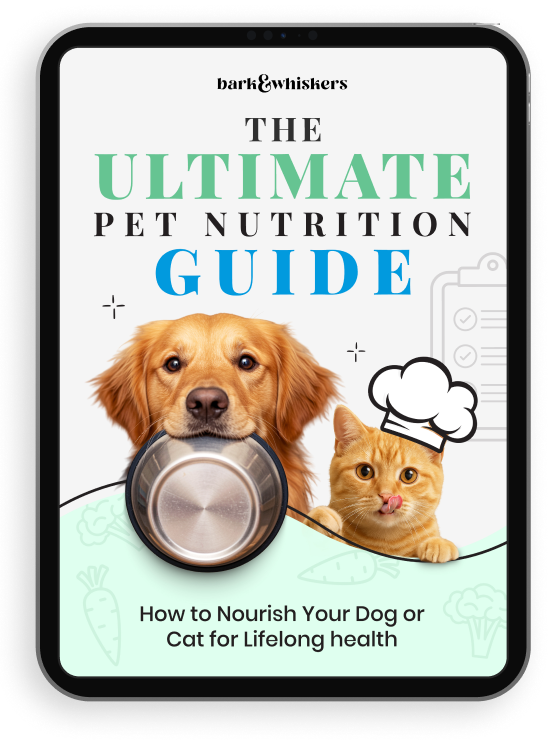
The Ultimate Pet Nutrition Guide was created to help dog and cat parents understand what truly supports lifelong health.
In this free guide, you’ll discover:
-

How your pet’s biology influences their nutritional needs
-
Why conventional feeding advice often falls short
-
Practical ways to choose better food for your dog or cat
View our Privacy Policy and Terms of Service.