Dr. Elizabeth Hardoon blends conventional and Chinese medicine to support pets’ health, specializing in acupuncture, herbal therapy, food therapy, and rehabilitation.
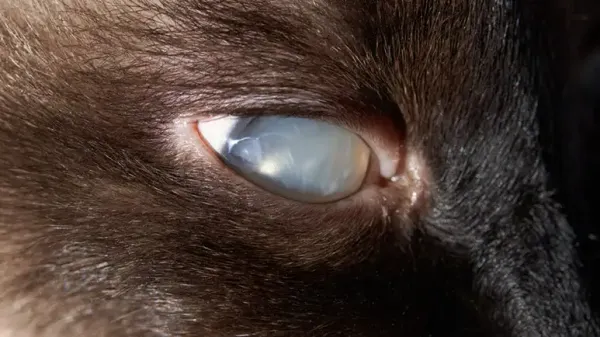
That hazy area in your pet's eye could be nothing more than the natural softening of a lens that's lived a full life — or it could be the earliest sign of something that deserves urgent attention.
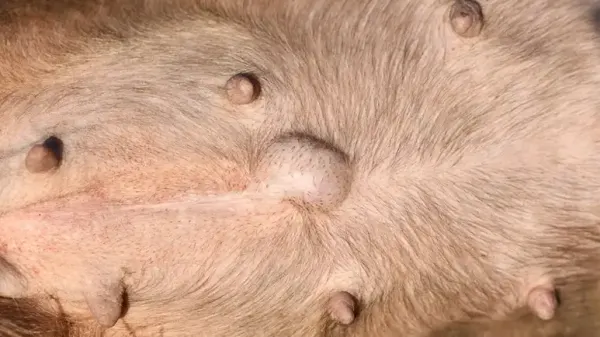
That soft little lump on your puppy's belly is not necessarily something to panic about — it is one of the most common quirks in puppyhood. Knowing what to look for (and when it matters) can save you a lot of unnecessary worry.
That heartbreaking, apologetic little face your dog makes when you come home to a mess is not a confession — it is one of the most misread expressions in the animal kingdom, and what is actually happening will change how you handle the moment forever.
You do not have to choose between a lush, green home and a safe one for your dog or cat — knowing which favorites to skip can save both your greenery and your peace of mind.
Whether your dog's tongue-out smile is a part of their personality or something you need to manage, your attention and care are important for their well-being. Here's what you should know about this condition.
That tail chase before dinner, the paw-licking on the couch, the laser-pointer sprint across the living room — most of these moments are exactly what they look like, but a handful of them are quietly asking for help. Learning to spot the difference is one of the quieter ways of loving a dog well.
Some of the loveliest, most-gifted plants inside your home are also among the most dangerous things your dog or cat can come into contact with. Knowing which ones to flag could save a life.
That dramatic exhale from across the room is one of the most expressive sounds your dog makes, and learning to read it tells you more about what they are thinking than almost anything else.