When Cloudy Eye Could Mean More Than Aging
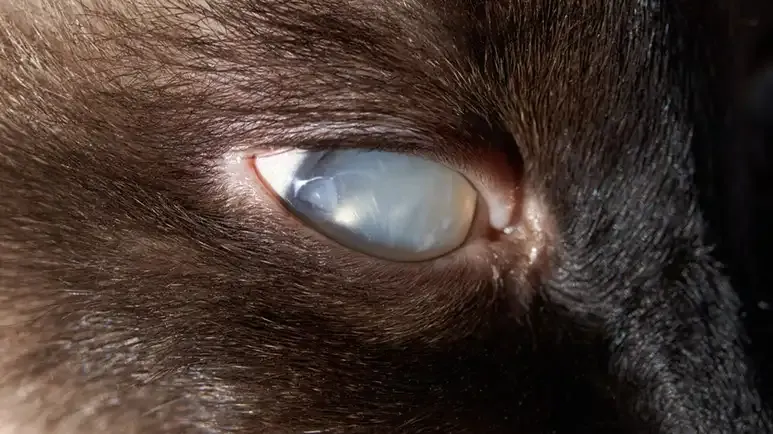
That hazy area in your pet's eye could be nothing more than the natural softening of a lens that's lived a full life — or it could be the earliest sign of something that deserves urgent attention.
Reviewed by Dr. Elizabeth Hardoon


Join the Bark & Whiskers™ Family
Sign up today for our FREE newsletter, packed with expert advice and insider tips to keep your beloved pet in tip-top shape.
View our Privacy Policy and Terms of Service.

STORY AT-A-GLANCE
- A cloudy eye can mean harmless age-related sclerosis, an actual cataract, or the emergency of glaucoma — telling them apart is the first step to knowing what to do next
- Cataracts form when protein fibers in the lens clump together, driven mainly by oxidation and glycation, developing in stages from pinpoint dots to complete cloudiness
- The most common causes are genetics in dogs (Cocker Spaniels, Miniature Poodles, and Boston Terriers); diabetes as the second-leading cause in dogs, and uveitis as the top cause in cats
- Behavioral clues often show up first: bumping into furniture, hesitating on stairs, missing familiar jumps, seeming startled when approached from the side, or acting more clingy and anxious, and trouble seeing at night
- Cataract surgery has success rates around 90% to 95% in dogs when performed at the right stage; without surgery, home support and monitoring can preserve good quality of life
You are scratching your dog's ears, or petting your cat mid-nap, and you catch a glimpse of one of their eyes. Something looks off — their eyes look a little hazy and cloudy, and there is a milky area where it used to be clear.
Your brain jumps somewhere scary. Is that a cataract? Blindness? Or is it just a sign of old age?
Cloudy eyes in pets do not always mean something serious. But sometimes they do. Learning to tell the difference — and knowing which cloudy conditions are true emergencies — is one of the more useful pieces of pet health knowledge you can carry.
What the Lens Is Supposed to Do
Behind the colored iris and the pupil sits a small, normally clear structure called the lens. Its job is to focus light on the retina at the back of the eye, where visual information is processed. A healthy lens is transparent. Light passes through cleanly and your pet's vision is sharp.1,2
When something changes the clarity of that lens, vision changes too. That's the underlying story behind most cloudy eyes.
Normal Aging vs. Actual Trouble
Here is a critical distinction pet parents often miss: Not every cloudy-looking eye is a cataract. Some cloudy changes are completely harmless parts of aging, while others point to conditions that need urgent attention — and telling them apart is the first step to knowing what to do next.3,4
Lenticular sclerosis (called nuclear sclerosis in cats) is a normal age-related change. The lens gradually hardens with age, and the eye takes on a soft, bluish-gray haze. Vision usually stays largely intact, and no treatment is needed. It's the harmless cousin of cataracts. Most dogs over 8 years old, and most cats over 10, will have a slight cloudiness or haze to their eyes due to this.
Cataracts look different. They tend to be denser, whiter, and more opaque than sclerosis — often described as looking like frosted glass or having the appearance of a white marble where it used to be clear. Cataracts do block light, and they can cause real vision loss.
The tricky part is that even veterinary professionals need to do a full eye exam to tell them apart. An eye exam using an ophthalmoscope is what will confirm if it is a cataract or lenticular sclerosis.
What Actually Causes a Cataract
A cataract forms when the protein fibers inside the lens clump together and lose their transparency. Two aging processes drive most of this change:
- Oxidation — Free radicals, which are unstable molecules that react with tissue and cause damage, accumulate faster than the body's antioxidants can neutralize them as pets age. Over time, that oxidative stress damages lens proteins.
- Glycation — Sugar molecules can attach to proteins throughout the body, forming what scientists call advanced glycation end products (AGEs). AGEs disrupt normal cell function and are one of the reasons cataracts show up so often in dogs with diabetes.
Beyond these fundamental aging processes, several other factors can trigger or accelerate cataract formation. These include:5,6,7
- Genetics — the most common cause in dogs, certain breeds may be predisposed.
- Diabetes mellitus — the second most common cause in dogs, often producing rapid cataract development.
- Uveitis (inflammation inside the eye) — the top cause in cats, often triggered by feline herpes virus, toxoplasmosis, or immune issues.
- Eye trauma or injury.
- Advanced age, especially in dogs over eight.
- Low blood calcium (hypocalcemia or underlying hypoparathyroidism).
- Nutritional deficiencies during early development.
- Long-term UV exposure.
- Radiation or toxic substance exposure.
Breeds at Higher Risk
In dogs, several breeds are more genetically predisposed to developing cataracts. These include:
- American Staffordshire Terriers
- Cocker Spaniels
- French Bulldogs
- Labrador Retrievers
- Miniature Poodles and Miniature Schnauzers
- Boston Terriers
- Siberian Huskies
- Yorkshire Terriers
- Welsh Springer Spaniels
If you have one of these breeds, an annual eye exam is worth adding to your routine wellness checkups. Cataracts often start small and painless, so catching them in early stages gives the best chance to intervene meaningfully.
Signs to Watch For
Cataracts develop in stages — from tiny pinpoint dots that don't affect vision to a fully clouded lens that blocks light almost entirely. Along the way, your pet's behavior often tells you more than the eye itself. Watch for:8,9
- A visible cloudy, milky-white, or bluish-white area in the center of the eye.
- Bumping into furniture or walls, especially in low light or at night.
- Reluctance to jump on or off familiar surfaces.
- Missing steps or hesitating on stairs.
- Seeming startled when approached from the side.
- More clingy, anxious, or hesitant behavior.
- Increased eye rubbing or pawing at the face.
- Squinting or excessive tearing.
- Eye redness or bulging.
Cats are especially good at compensating for vision loss. You may notice behavioral changes — mistimed jumps, reluctance to move around at night — before you spot anything obvious in the eye itself.
The Emergency to Rule Out: Glaucoma
If a cloudy eye also looks red, swollen, or enlarged — or if your pet is squinting hard, pawing at their face, or showing signs of significant pain — it is best to bring your pet immediately to the vet.10,11
Glaucoma is a buildup of pressure inside the eye that can cause permanent vision loss within a day or two if it goes untreated. It is painful and fast-moving, and it can look similar to other eye conditions at first glance.
When in doubt, get it looked at that day. Better to make a trip that turns out to be nothing than to sit on something urgent.
Diagnosis
A cloudy eye starts with a physical exam at your regular vet. They'll look for cloudiness or lens changes, and will check your pet's vision by watching their response to light and movement. They will also use an ophthalmoscope to look inside the eye more closely.
For a newly diagnosed cataract, additional testing usually follows. Blood work will check for diabetes or underlying metabolic causes. A referral to a veterinary ophthalmologist may be recommended for a more detailed evaluation — including a slit-lamp exam and an electroretinogram to determine how well the retina is still working. That last is important because it helps determine if surgery would be able to restore your pet's vision. If the retina is not functioning normally, cataract surgery would not be recommended, as vision would not be restored.
Treatment Options
The definitive treatment for cataracts is surgery, called phacoemulsification. The cloudy lens is broken up with ultrasound waves, gently removed, and replaced with an artificial lens. It's the same procedure used in humans. In dogs, success rates run around 90% to 95% when performed at the right stage.
Not every cataract needs immediate surgery. If it is small and is not affecting your pet's quality of life, your vet may recommend monitoring it over time. Anti-inflammatory eye drops can help slow progression and manage lens-induced inflammation (uveitis). Cost is a real consideration too — the surgery may cost a few thousand dollars per eye.12,13
Supporting Cataracts at Home
If your pet has a diagnosed cataract, but is not ready for surgery, or if surgery is not an option, home care makes a real difference in their day-to-day comfort. Take note of these reminders:
- Follow your vet's plan carefully, including any prescribed eye drops.
- Keep the home environment consistent — avoid rearranging furniture.
- Add non-slip rugs to give your pet secure footing.
- Use verbal cues before approaching so you don't startle them.
- Provide a comfortable, easy-to-find bed in a familiar spot.
- Watch for signs of secondary problems — redness, discomfort, or worsening vision.
Antioxidant-rich eye health supplements, particularly those containing grape seed extract, lutein, and omega-3s, help to benefit the eye. Your pet may also benefit from herbal remedies recommended by your holistic vet. These supplements may help slow the progression of some cataracts. They won't reverse existing ones, but supporting the body's ability to fight oxidative stress makes sense based on how these changes develop.14
What You Can Do to Lower Risk
Genetic cataracts cannot be prevented, but several other contributors can be reduced with practical steps. These include:
- Managing diabetes closely if your pet is diabetic — steady blood sugar reduces cataract risk.
- Protecting their eyes from trauma during rough play or hazardous environments. You may want to try something such as a halo harness to prevent bumps and trauma.
- Feeding a nutritionally complete, whole-food-oriented diet.
- Considering eye health supplements under your vet's guidance.
- Limiting strong UV exposure — dog-safe goggles are available for outdoor athletes and dogs who spend long hours in bright sun.
- Keeping up with regular vet checkups so early changes are spotted.
The Cloudy-Eye Playbook
If you notice a cloudy area in your pet's eye, here's the sensible sequence: Take a photo in good light. Note when you first saw it and any behavioral changes at home. Afterwards, call your vet and book an exam. Do not try to diagnose which type of cloudiness it is at home. A quick professional look is the most efficient way to know what you're dealing with.
If the eye is red, swollen, painful, or your pet is squinting or acting distressed, treat it as an urgent visit — that can point to glaucoma or another serious eye condition.
For confirmed cataracts, ask your vet whether a referral to a veterinary ophthalmologist makes sense. Early referral gives the best options for long-term outcomes.
Beyond Aging
Cloudy eyes are one of the visible ways pets show us they're growing older. Sometimes what you are looking at is the harmless haze of a lens that has lived a full life. Sometimes it is the early stage of disease or even an emergency in disguise.
The reassuring news is that most cataracts can be identified early, monitored thoughtfully, and treated effectively when the time is right. Many dogs and cats live full, comfortable lives after diagnosis — with or without surgery — as long as their care team catches things while there is still room to intervene.
So the next time you notice that your pet's eyes are looking a little hazy where they used to be clear, don't panic. But don't wait, either. Take the photo. Book the visit. Let your vet's eyes be the ones that sort it out. It is one of the kinder things you can do for the eyes that have been watching you all this time.
Sources and References
- 1,3,5,8,13,14 Chewy, June 5, 2025
- 2,4,6,9,10,12 Lemonade, July 28, 2026
- 7,11 Ace Canine, Eye Disorders in Dogs

Better Health Begins in the Bowl
Better Health Begins in the Bowl
The Ultimate Pet Nutrition Guide was created to help dog and cat parents understand what truly supports lifelong health.
In this free guide, you’ll discover:
-

How your pet’s biology influences their nutritional needs
-
Why conventional feeding advice often falls short
-
Practical ways to choose better food for your dog or cat
View our Privacy Policy and Terms of Service.