This Salty Little Superfood Is Making Waves in Pet Health
This ocean-sourced superfood may look simple, but a small sprinkle could make a big difference in your pet's digestion, teeth, skin, and overall health — if you use it wisely.
Reviewed by Dr. Elizabeth Hardoon


Join the Bark & Whiskers™ Family
Sign up today for our FREE newsletter, packed with expert advice and insider tips to keep your beloved pet in tip-top shape.
View our Privacy Policy and Terms of Service.


STORY AT-A-GLANCE
- Kelp is a nutrient-dense sea vegetable showing up in pet foods and supplements, offering natural support for digestion, immunity, skin health, dental care, and overall metabolic balance
- Small amounts of kelp may help improve your dog’s breath, reduce plaque buildup, support a healthy thyroid, and promote smoother digestion when sourced responsibly and used in proper doses
- This salty superfood is rich in iodine, fiber, antioxidants, and trace minerals, but too much can disrupt thyroid function, making correct dosing and veterinary guidance essential
- Wild or beach-found seaweed is unsafe for pets due to salt overload, toxins, heavy metals, and blockage risks, so only pet-specific, tested kelp products should ever be used
- When introduced slowly and chosen carefully, kelp can be a powerful wellness booster for dogs and cats, supporting skin, coat, immunity, and long-term health from the inside out
If you’ve ever walked along the beach with your dog, you’ve probably seen long, rubbery strips of seaweed washed up along the shore. Your dog may have sniffed it, pawed at it, or even tried to eat it. And if you’re like many pet parents, you may have wondered: Is this stuff actually good for pets — or should I be worried?
That curiosity is well-placed. Seaweed, especially kelp, is quietly becoming one of the most talked-about ingredients in modern pet nutrition. You’ll find it in high-quality dog foods, dental supplements, skin and coat formulas, and even some cat diets. But while kelp has earned its “superfood” reputation, it’s not something to toss into your pet’s bowl without understanding how it works — and when it doesn’t.
What Exactly Is Kelp — and Why Is Everyone Talking About It?
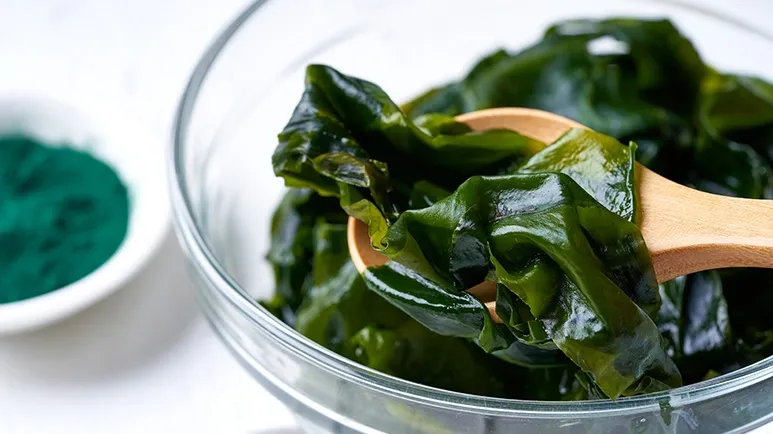
Kelp is a type of brown seaweed that grows in cold, coastal ocean waters. It’s technically a marine plant, but nutritionally, it behaves more like a mineral-rich vegetable packed with natural compounds beneficial to your pet’s health.
Not all seaweed is kelp. There are thousands of seaweed species, and only some fall into the kelp family. The most comm types of seaweed used in pet nutrition come from clean, cold waters and are carefully harvested, dried, and tested before being added to food or supplements.1
One of the things that makes kelp stand out is that it is a highly nutrient-dense food. It delivers a large amount of beneficial nutrients in a low calorie package. Kelp is packed with essential minerals, trace nutrients, vitamins, fiber, and antioxidants that support health and immunity. That’s why pet food companies only need to use kelp in small amounts as a nutritional booster rather than a main ingredient.
The Big Benefits of Kelp for Your Dog
A serving of kelp may be small and salty, but it brings a lot to the table for your pup’s health. Here’s how:2,3
- Cleaner teeth and fresher breath — If brushing your dog’s teeth feels like wrestling a furry alligator, kelp might be your secret weapon. A specific type of kelp, Ascophyllum nodosum, has been shown to reduce plaque and tartar buildup in dogs. Studies found that dogs who regularly consumed this kelp had noticeably cleaner teeth and better breath.4 This works in two ways:
- Kelp naturally disrupts plaque from sticking to teeth.
- It supports normal flora and reduces harmful bacteria in the mouth.
- Supports a healthy metabolism and thyroid — Kelp is rich in iodine, a mineral your dog needs to produce thyroid hormones. These hormones help regulate:
- Energy levels
- Body temperature
- Weight
- Mood and brain function
- Better digestion and regularity — Kelp is full of fiber and prebiotics, which support gut health. This means smoother digestion, firmer stools, and reduced gas and bloating. Dogs with sensitive stomachs or frequent digestive issues may benefit from a sprinkle of kelp in their meals. Its natural prebiotic compounds help promote beneficial bacteria in the gut, promoting regularity and comfort.
- A shiny coat and healthier skin — If your dog suffers from itching, hot spots, or dull fur, kelp might help soothe the irritation from the inside out. It’s packed with skin-essential minerals like zinc, calcium, and magnesium and also acts as a natural anti-inflammatory. Pet parents often report:
- Less scratching and licking
- Shinier coats
- Fewer flare-ups during allergy season
- Stronger immunity — Kelp is rich in vitamins and antioxidants, including vitamins A, B12, C and E as well as polysaccharides fucoidan and laminarin. These compounds reduce inflammation and boost the immune system to help your pet fight off illness and bounce back faster after stress or sickness.
- Muscle and bone support — Kelp’s calcium, magnesium, and vitamin K content supports muscle and bone health which is especially important for senior dogs. It is also a complete protein and contains all the necessary amino acids which make it ideal to pair with other protein rich foods to support muscle repair in dogs recovering from injuries or surgery.
A Word of Caution — When Kelp Can Be Risky
Like any superfood, kelp isn’t a cure-all. It has to be used wisely and in the right amounts. Watch out for these side effects:5
- Too much iodine can lead to vomiting, diarrhea, weight loss, or restlessness
- Allergic reactions can include itchy skin, rashes, or tummy troubles
- Thyroid interference may occur in dogs already on thyroid medication
Kelp may not be safe for:
- Dogs with thyroid problems (especially hypothyroidism or autoimmune thyroiditis)
- Dogs with kidney or liver issues
- Puppies under 6 months old
Because kelp absorbs everything from its environment, it can soak up heavy metals like arsenic and mercury if it’s grown in polluted waters. To stay safe:6
- Choose kelp sourced from clean waters (like Iceland, Norway, or Canada)
- Look for third-party tested products
- Avoid kelp from the Pacific or Indian Oceans where pollution levels may be higher
How to Safely Add Kelp to Your Dog’s Diet
Kelp is available in different forms, such as powder or granules, capsules and liquid drops. There are also topical sprays and shampoos that help with skin irritation or itchiness. Pet treats or food with kelp are also convenient and tasty options you can let your pet try. Avoid human kelp supplements — they often contain additives or higher doses that aren’t safe for pets.
If you’re ready to try this super-seafood for your pet, it’s best to introduce it slowly over a few days. Too much too fast can upset your dog’s stomach. Begin with a pinch and work up to the recommended amount. Below are the general guidelines for powdered kelp:7
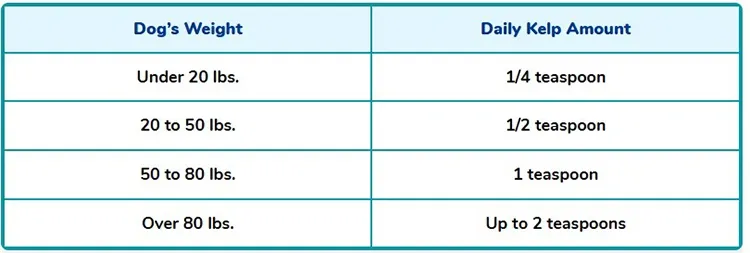
Note that these are general guidelines. Always follow your product’s label and check with your vet for exact dosing.
Can Cats Eat Kelp, Too?
Cats are obligate carnivores. They rely almost entirely on meat for nutrients, and their systems aren’t built for plant-based foods. But in the wild, cats eat small prey animals (like rodents) that contain partially digested plants in their stomachs, including things like seaweed.8 So kelp can fill a nutritional gap, offering:
- Fiber and prebiotics for digestion
- Antioxidants and vitamins
- Trace minerals
If you’re a cat owner, remember to:
- Choose kelp supplements made specifically for cats
- Avoid raw or wild seaweed; it may contain heavy metals or harmful bacteria
- Start with a tiny sprinkle and monitor for reactions
- Watch for vomiting, diarrhea, or itching
- Talk to your vet, especially if your cat has thyroid issues or is on medication
What to Look for in a Kelp Product
Not all kelp products are created equal. Because kelp absorbs whatever is in the water around it, sourcing matters more than almost anything else. Look for:9,10
- Clearly labeled seaweed type (ideally Ascophyllum nodosum)
- Organic or wild-harvested from clean waters
- No added salt, flavoring, or fillers
- Products made for pets, not humans
- Third-party testing for contaminants
Avoid:
- Wild dried kelp from beaches (can cause salt poisoning or intestinal obstructions)
- Adding large amounts of kelp to your pets diet (can cause iodine toxicity or thyroid dysfunction)
- Giving Kelp from unknown sources (can contain heavy metals)
Final Thoughts — A Small but Mighty Marine Food
Kelp may be humble, but don’t underestimate its power. This salty little seaweed delivers a big punch when it comes to supporting your pet’s health. Whether you’re trying to freshen up your dog’s breath, soothe itchy skin, or give your senior pet a gentle boost, kelp might be just what the vet ordered.
But remember: Not all pets are the same. What works wonders for one may be too much for another. Start slow, choose high-quality products, and always ask your holistic vet for help when needed. Your pet deserves the best — and sometimes, that comes from the sea.
Sources and References

Better Health Begins in the Bowl
Better Health Begins in the Bowl
The Ultimate Pet Nutrition Guide was created to help dog and cat parents understand what truly supports lifelong health.
In this free guide, you’ll discover:
-

How your pet’s biology influences their nutritional needs
-
Why conventional feeding advice often falls short
-
Practical ways to choose better food for your dog or cat
View our Privacy Policy and Terms of Service.