Something's Stirring in Your Pup's Belly — and It Might Surprise You
Your furry pal needs a healthy gut just as much as you do. But how do you go about it? Here's how.
Reviewed by Dr. Elizabeth Hardoon


Join the Bark & Whiskers™ Family
Sign up today for our FREE newsletter, packed with expert advice and insider tips to keep your beloved pet in tip-top shape.
View our Privacy Policy and Terms of Service.


STORY AT-A-GLANCE
- Just like in humans, the gut-brain axis of dogs relies on nerve cells and trillions of microbes that influence mood, stress responses, behavior, and overall emotional well-being when functioning properly
- Gut imbalance from stress, poor diet, antibiotics, or illness can trigger anxiety, irritability, skin issues, low energy, digestive changes, and behavioral shifts that often appear unrelated to digestion
- Beneficial gut microbes produce neurotransmitters like serotonin, dopamine, and GABA. Dysbiosis reduces short-chain fatty acids (SCFAs), increases inflammation, disrupts stress hormones, and heightens risks for anxiety, aggression, and neurological problems
- Diet strongly shapes emotional balance. Protein supports serotonin production, omega-3s reduce aggression, fiber and prebiotics fuel good bacteria, and probiotics or postbiotics enhance gut stability and stress resilience
- Emerging supports include fecal transplants, nutraceuticals, and adaptogens; combined with species-appropriate diets, stress management, and monitoring subtle symptoms. These approaches help restore gut health and improve canine behavior
Your dog’s gut is actually very similar to your own. It’s packed with millions of nerve cells and trillions of bacteria that help influence emotions, stress, and behavior. This pathway is called the gut-brain axis.
When this delicate system is working at its best, your dog feels relaxed and resilient. But when it’s off — because of an unhealthy diet, stress, antibiotics, or illness — the signals can go haywire. Your pup might become anxious, irritable, or just not themself.
Fortunately, there are several ways you can restore balance in your pet’s gut to help support their emotional (and overall) well-being.
Facts About the Canine Microbiome
Inside your dog’s gut lives a bustling city of beneficial microbes. These tiny organisms do much more than help digest food — they produce vitamins, hormones, and neurotransmitters that talk directly to your dog’s brain. Key chemical messengers; according to a study published in "Animals;" include:1
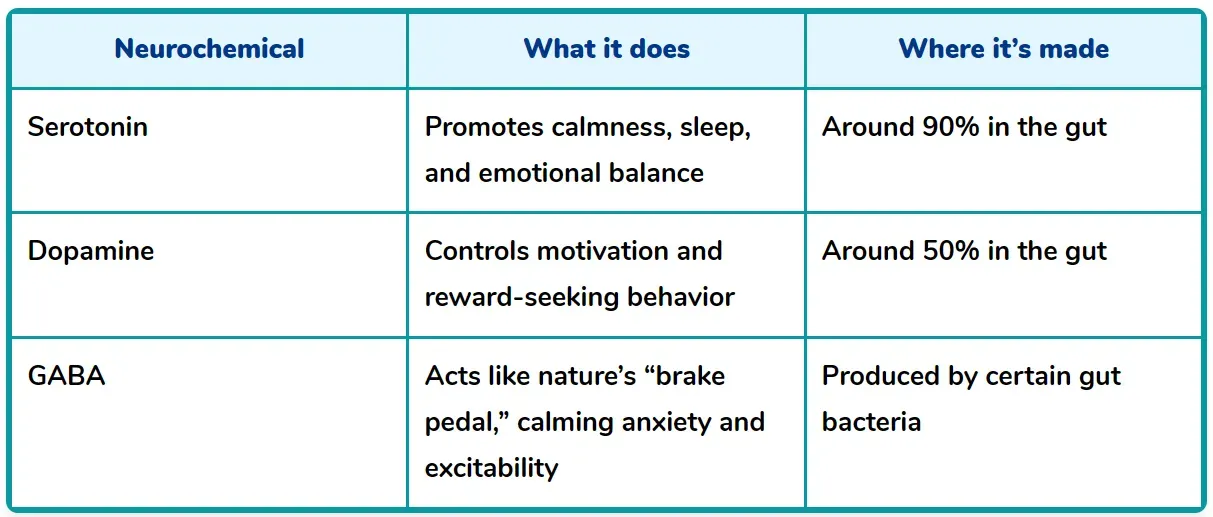
When their microbiome is balanced, your dog can handle stress and respond to training calmly. But when the balance tips (gut dysbiosis), harmful bacteria release inflammatory chemicals that can increase stress hormones and trigger anxiety and unwanted behaviors.2
Moreover, overall gut health is at risk. Research has shown that gut dysbiosis leads to reduced production of short-chain fatty acids (SCFAs), which are essential for maintaining gut homeostasis. Low levels of SCFAs are linked to inflammatory bowel diseases.3
How Microbial Strains Affect Canine Behavior
Continuing the point above, researchers analyzed how gut microbes influence canine emotions and behavior. While the process isn’t fully understood, it’s theorized that SCFAs help protect the blood-brain barrier (BBB). If the BBB is weakened, risk of neurological disorders is higher. Noteworthy findings include:4
- Aggressive dogs had more Firmicutes bacteria and higher biodiversity — patterns linked to stress.
- Phobic or fearful dogs had more Lactobacillus, a friendly bacterium with natural calming effects.
- Serotonin levels were significantly lower in aggressive dogs compared with calm ones.
- Gut bacteria can alter the hypothalamic-pituitary-adrenal (HPA) axis, your dog’s main stress-response system, leading to chronically high cortisol and anxiety.
Signs That Your Dog’s Gut Function Isn’t Working Optimally
You might not think twice about your dog’s digestion if they’re eating and pooping regularly, but gut issues often hide behind unrelated symptoms. Watch out for:5
- Itchy skin or ear infections — Inflammation in the gut often leads to an increased level of overall inflammation which shows up through the skin.
- Low energy or fatigue — Nutrient absorption problems can leave your dog drained.
- Bad breath or excess gas — Signs of bacterial imbalance.
- Unexplained weight gain or loss — Metabolic health is closely tied to your dog’s gut bacteria.
- Behavior or mood changes — Anxiety, reactivity, or restlessness can stem from inflammation in the gut-brain axis.
How Diet Shapes Your Dog’s Emotional Behavior
What you feed your furry friend will set the foundation for their health in the years to come. So, it goes without saying that giving them a species-appropriate diet will support their unique biological processes. Important essentials include:
- Protein — Proteins supply amino acids such as tryptophan, which the body turns into serotonin. Diets rich in turkey, eggs, or pumpkin seeds naturally support relaxation and impulse control.6
- Healthy fats — Omega-3 fatty acids from wild-caught salmon, sardines, flax, or krill oil supplements improve memory and emotional balance. In controlled studies, dogs receiving omega-3s showed fewer aggressive behaviors.7
- Dietary fiber — This feeds and supports beneficial microbes, which in turn make SCFAs. Types of fiber you can supplement include psyllium husk, acacia fiber and larch fiber.
- Probiotics and prebiotics — Probiotic supplements add beneficial bacteria like Bifidobacterium longum, which reduce anxiety and lower stress hormones. Meanwhile, prebiotics from natural sources, such as inulin or pumpkin, act as nourishment for good bacteria already living in your dog’s gut to keep them at healthy levels.8
- Postbiotics — These refer to the helpful byproducts bacteria make, such as SCFAs. As noted earlier, SCFAs also support gut health, which, in turn, leads to better mental function.9
Emerging Therapies That Can Support Canine Mental Health
While the dietary options mentioned above can naturally support your pet’s gut-brain axis, veterinary researchers are also exploring other alternatives that can work in tandem, such as:
- Fecal microbiota transplantation (FMT) — While it may sound unpleasant, transferring healthy gut bacteria from a donor dog into one who has a gut imbalance shows promise, and many pets improve with this treatment. In fact, this method has already been shown to benefit human health, too.10 In dogs with stubborn digestive disorders, FMT improved energy levels and coat quality.11 FMT is available through oral capsules made from healthy donors that you can administer at home to restore your pet’s gut imbalance and replace missing bacteria. For more severe cases it is also available as a direct transplant that can be administered at your vet’s office.
- Nutraceuticals and adaptogens — Supplements containing calming herbs and amino acids can boost serotonin and stabilize mood. In one pilot research cited in the "Animals" article; dogs taking a serotonin-support supplement barked less, interacted more calmly, and digested food better.12
Your At-Home Gut-Health Checklist
After everything that’s been discussed, how do you tie the findings together? Here’s a summary of how you can help your dog’s gut and mind stay in sync:
- Feed a species-appropriate diet made from minimally processed foods whenever possible. Raw diets or fresh food diets are optimal.
- Add variety. Rotate organic, grass fed protein sources, including turkey for its calming properties and fish for its omega-3 benefits, and mix in some fresh veggies such as squash or pumpkin for dietary fiber.
- Consider a microbiome test (such as Animal Biome testing) to investigate your pet’s gut health. This is performed from a stool sample and will reveal any gut imbalances your pet has. Your holistic vet can then work with you to help balance your pet’s gut with specific dietary supplements, probiotics or FMT supplements.
- Incorporate healthy probiotic sources such as kefir, goats milk or yogurt into your pet’s diet or add a daily probiotic supplement.
- Provide prebiotics like inulin and psyllium seed husk.13
- Supplement with omega-3s for anti-inflammatory support.
- Avoid overuse of antibiotics unless medically necessary — they wipe out beneficial bacteria, too. Consulting with a holistic vet who can provide alternatives such as herbal therapy and acupuncture can help to minimize antibiotic use.
- Manage stress through consistent routines, positive training, and daily exercise.
- Watch for subtle changes in your pet. Skin issues, bad breath, irritability, or stool changes often precede major problems.
- Consult a professional. Your holistic vet or a certified canine nutritionist can perform gut health tests and create a personalized plan that restores gut health.
Sources and References

Better Health Begins in the Bowl
Better Health Begins in the Bowl
The Ultimate Pet Nutrition Guide was created to help dog and cat parents understand what truly supports lifelong health.
In this free guide, you’ll discover:
-

How your pet’s biology influences their nutritional needs
-
Why conventional feeding advice often falls short
-
Practical ways to choose better food for your dog or cat
View our Privacy Policy and Terms of Service.