Could Your Pet Be Prone to a Sugar Struggle?
Don't think of this disease as a death sentence; rather, it's a wake-up call for awareness, care, and partnership with your veterinarian. With proper diet, exercise, and love, your furry friend can live many more tail-wagging, treat-filled years by your side.
Reviewed by Dr. Elizabeth Hardoon




Join the Bark & Whiskers™ Family
Sign up today for our FREE newsletter, packed with expert advice and insider tips to keep your beloved pet in tip-top shape.
View our Privacy Policy and Terms of Service.


STORY AT-A-GLANCE
- Diabetes isn’t just a human issue — pets can also face this “sugar struggle,” which affects energy, weight, and vision; but early detection and proper care make all the difference
- Certain breeds — like Miniature Schnauzers, Labradors, and Poodles have a higher diabetes risk due to genetics, obesity, or risk of pancreatitis. Knowing your pet’s predisposition helps guide prevention
- Watch for warning signs such as excessive thirst, frequent urination, weight loss, or cloudy eyes/trouble seeing. Early veterinary testing is key to managing blood sugar safely
- Managing diabetes requires balance — insulin therapy, herbal therapy, a healthy diet, and consistent exercise help stabilize glucose levels and keep pets healthy and active for years
- Maintaining a healthy weight, feeding fresh, balanced food, and scheduling routine vet visits can greatly reduce your pet’s diabetes risk
Most people know that diabetes is a condition humans can develop, but did you know that your dog or cat can too? Just like us, pets rely on insulin to help their bodies use sugar (glucose) for energy. When that system goes off-track, their energy, mood, and even eyesight can all be affected.
Diabetes is becoming increasingly common in pets, especially among certain dog breeds. But before you worry, there’s good news — When caught early and managed properly, most dogs with diabetes go on to live long, happy, and active lives.
Understanding the ‘Sugar Struggle’
Diabetes mellitus happens when your pet’s body can’t properly regulate its blood sugar. Glucose is the body’s main energy source, and insulin (a hormone made by the pancreas) is the key factor that helps move that glucose from the bloodstream into the cells to fuel their body’s energy.
When insulin is missing, not produced in the right amount, or the body no longer responds properly to it, glucose builds up in the blood. The cells end up “hungry” for energy even though there’s plenty of sugar available — it’s just trapped in the bloodstream.
Over time, this imbalance can cause serious health problems, from weight loss and tiredness to infections, cataracts, and even organ damage.
The 2 Types of Diabetes in Dogs
Just as in humans, dogs can develop two major types of diabetes — and understanding the difference can help you take better care of your pet.
- Insulin-deficiency diabetes (Type 1) — This is the most common form in dogs. It occurs when the pancreas doesn’t produce enough insulin, usually because the insulin-producing cells (called beta cells) have been destroyed. Dogs with this type will need daily insulin injections for the rest of their lives.
- Insulin-resistance diabetes (Type 2) — Very rare in dogs — this type can occur when a dog’s body still produces insulin but can’t use it effectively. It is very rare, but is sometimes diagnosed in dogs that are obese or have Cushing’s disease.
In rare cases, female dogs can develop a temporary, hormone-induced diabetes during pregnancy — similar to gestational diabetes in humans — but this can become permanent if not treated quickly.1
Why Some Dogs Are More at Risk
Some dog breeds are genetically predisposed to developing diabetes, while others become vulnerable due to lifestyle or hormonal factors. Key risk factors include:2
- Age — Diabetes usually appears in middle-aged or older dogs.
- Weight — Overweight or obese dogs are more likely to develop insulin resistance.
- Gender — Female dogs and neutered males are slightly more prone to diabetes.
- Diet — Diets high in sugar or fat or low in fiber can increase risk.
- Hormones — Conditions like Cushing’s disease (which raises cortisol levels) and chronic pancreatitis (inflammation of the pancreas) can trigger diabetes.
While these factors play a role, genetics is a major driver. Certain breeds are consistently shown to have a much higher likelihood of developing the disease, even when they aren’t overweight.
Dog Breeds Most Prone to Diabetes
Diabetes doesn’t mean a shortened lifespan — it just means you’ll need to be more attentive to your dog’s habits, weight, and diet. Here are the breeds most often associated with canine diabetes, along with why they’re at higher risk. If you own one of these breeds, awareness and preventive care are key.3,4,5
- Miniature Schnauzer — These alert, intelligent dogs are one of the most common breeds diagnosed with diabetes. Research links their risk to a tendency toward pancreatitis (inflammation of the pancreas), which can damage insulin-producing cells. Miniature Schnauzers are also prone to high triglyceride levels and obesity, both of which can worsen insulin resistance.
Prevention tip: Keep their diet low in fat, use digestive enzymes to support pancreatic function, exercise regularly to maintain a steady weight, and schedule yearly preventative bloodwork to keep track of blood glucose levels. - Labrador Retriever — Friendly and food-motivated, Labradors are notorious for weight gain. This breed’s love for snacks, combined with a slower metabolism, makes them especially vulnerable to Type 2 diabetes.
Chronic pancreatitis is also more common in Labs, which can further increase their risk. If you own one, controlling calories and promoting daily exercise is vital. Feeding fresh food and limiting snacks is key. - Golden Retriever — Goldens share much of the same risk profile as Labs. They are generally active and friendly, but when they reach middle age, they become more likely to experience blood sugar imbalances, especially if they become overweight or consume high-fat foods. Despite their risk, Goldens with diabetes respond very well to treatment and lifestyle changes.
- Poodle (Toy and Miniature) — Small but mighty, Toy and Miniature Poodles appear frequently in diabetic dog populations. Their genetic makeup seems linked to both insulin deficiency and early cataract formation — one of the most common complications of diabetes in dogs. Regular eye exams, a healthy diet and yearly bloodwork can make a big difference.
- Keeshond — This fluffy Dutch breed has a hereditary form of early-onset diabetes that often appears in young dogs. Even lean, healthy Keeshonds can develop the disease due to missing or malfunctioning insulin-producing cells. Because this form isn’t linked to obesity, genetic testing and proactive screening are the best preventive steps.
- Samoyed — These beautiful, snow-white dogs come from cold northern climates and are genetically related to other “Spitz” breeds, many of which have inherited risks for diabetes.
Samoyeds are prone to pancreatitis and hormonal imbalances, which can trigger diabetes, especially in middle-aged or senior dogs. Maintaining a stable weight through exercise and a balanced diet helps keep them healthy longer. - Terriers (Yorkshire, Cairn, Tibetan, and Australian) — Terriers might be small, but their risk isn’t. Studies show that Yorkshire Terriers, in particular, carry genes linked to diabetes susceptibility. Like many small breeds, they’re also prone to obesity, which increases the risk.
Prevention tip: Keep snacks healthy and control the portions. These energetic pups burn energy quickly but shouldn’t be overfed. - Cocker Spaniel — Known for their soulful eyes and affectionate nature, Cocker Spaniels are another breed to watch. Their risk likely comes from both genetics and a tendency toward weight gain. Fortunately, early detection and weight management make a huge difference in Cockers’ long-term health.
- Pomeranian — These pint-sized fluffballs pack a lot of personality into a small body — and they also show up on nearly every list of diabetic-prone breeds. Their tiny size makes even small diet imbalances more impactful on blood sugar levels. Because Pomeranians can develop insulin deficiency even without being overweight, early screening is wise, so make sure your fluffy friend receives a yearly preventative blood screening.
- Norwegian Elkhound — An athletic, working breed, Norwegian Elkhounds have been linked to both Type 1 and gestational diabetes. Female Elkhounds may develop diabetes during pregnancy due to hormonal changes. While it may resolve after birth, it can sometimes become permanent.
It’s worth noting that cats can develop diabetes as well — usually Type 2. Overweight, middle-aged cats (especially males) are most at risk. The same principles apply: maintain a lean body weight, feed a high-protein, low-carbohydrate diet (fresh, raw or wet food), and ensure plenty of exercise and regular vet visits.
Spotting the Signs Early
One of the biggest challenges with diabetes is that symptoms can sneak up gradually. Many early signs mimic normal aging — but catching them early is crucial for effective management. Common warning signs include:
- Increased thirst and urination
- Weight loss despite a good appetite
- Increased hunger or “food begging”
- Cloudy eyes or vision changes
- Lethargy or lack of energy
- Sweet or fruity smell on breath
- Recurrent infections (especially urinary or skin infections)
If you notice any of these symptoms, don’t wait. Your vet can perform a simple blood and urine test to check glucose levels.6
Diagnosis and Treatment — What to Expect
If your vet suspects diabetes, they’ll start with bloodwork and a urinalysis. Elevated glucose levels in blood and urine, and an elevated fructosamine level (similar to A1C) will confirm the diagnosis.
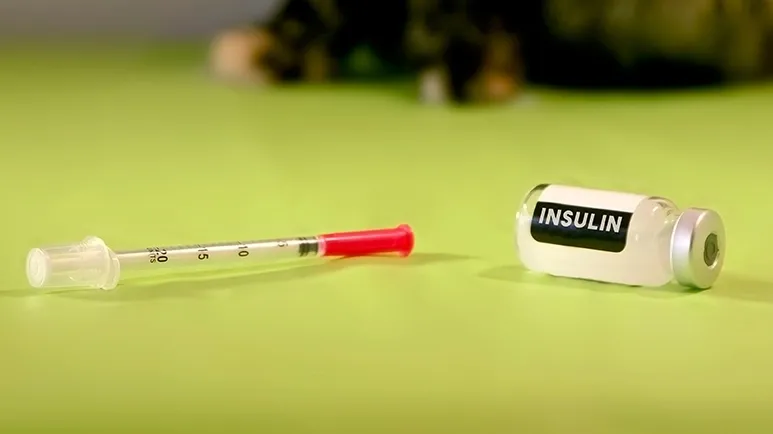
- Insulin therapy — For most dogs, daily insulin injections are necessary. It might sound intimidating, but most pet owners find it’s much easier than they expect. With your vet’s guidance, injections become a quick, loving part of your routine — often paired with a treat or cuddle.
- Diet management — Diet plays a massive role in stabilizing blood sugar. Your vet may recommend:
- A fresh or raw food diet with fiber and complex carbohydrates to slow glucose absorption.
- Consistent meal times — usually two balanced meals 12 hours apart.
- Limiting high-fat and high-sugar treats.
- Exercise — Daily exercise helps regulate weight and glucose levels. But consistency is key — avoid big swings in activity levels, which can affect blood sugar.
- Supplements — Certain herbal supplements can help stabilize your pet’s blood glucose levels. Other supplements especially those containing lutein and omega 3’s can help prevent or slow down cataracts (a complication of diabetes). Work with your holistic vet to find the right combination for your pet.
- Routine monitoring — At first, your vet may need to monitor your dog’s glucose curve over several hours to find the right insulin dose. Later, you can track blood sugar at home with a small blood droplet test.
Once treatment begins, most pets adapt quickly. With insulin, balanced nutrition, the right supplements and daily activity, diabetic dogs can live for many happy years. The key is consistency — same feeding times, same exercise routine, and regular vet visits. Dogs thrive on structure, and this helps keep blood sugar stable.
Many pet parents report that their diabetic dogs are even more attentive and connected after diagnosis — possibly because of the closer care and bonding involved.
Preventing Diabetes Before It Starts
While genetics can’t be changed, lifestyle choices can make a big difference. Here’s how to help lower your dog’s risk:
- Maintain a healthy weight — Obesity is one of the biggest controllable risk factors. Stick to measured portions, and resist giving table scraps.
- Feed a balanced diet — Choose high-quality, raw or fresh foods rich in lean proteins, and including a healthy amount of fiber; avoid excessive sugars, carbohydrates and fats.
- Stay active — Regular walks and play sessions help maintain weight and reduce insulin resistance.
- Schedule routine vet checks — Annual (or biannual for senior pets) exams and bloodwork can catch early warning signs long before symptoms appear.
- Give the correct supplements — Work with your holistic vet to get your dog on the right supplements. For example, if your dog’s breed is prone to pancreatitis — start digestive enzymes early to help with pancreatic function; if your dog’s breed is prone to vision problems — start a supplement containing lutein and omega 3’s. Your holistic vet will let you know which supplements are right for your individual pet based on their breed and health risks.
If left untreated, diabetes can lead to several complications, including cataracts, kidney disease, nerve damage and infections. But with good management, these risks can be greatly reduced or avoided altogether.
A Message of Hope
A diabetes diagnosis might sound overwhelming, but most owners find it becomes just another routine in their day — one that helps their beloved pet live longer and healthier.
Your pet’s energy will likely improve, and that sparkle in their eyes will return once their glucose levels stabilize. With your commitment and your vet’s guidance, diabetes can be just a manageable part of life, not a life sentence.
So next time you fill your pet’s bowl, head out for a walk, or visit the vet, remember, you’re not just caring for them today — you’re protecting their tomorrow.
Sources and References

Better Health Begins in the Bowl

Better Health Begins in the Bowl
The Ultimate Pet Nutrition Guide was created to help dog and cat parents understand what truly supports lifelong health.
In this free guide, you’ll discover:
-

How your pet’s biology influences their nutritional needs
-
Why conventional feeding advice often falls short
-
Practical ways to choose better food for your dog or cat
View our Privacy Policy and Terms of Service.