Could This Simple Nutrient Keep Tails Wagging Longer?
Discover the overlooked nutrient that quietly supports your dog's digestion, weight, and energy — it could be the key to a longer, happier life.
Reviewed by Dr. Arielle Walton




Join the Bark & Whiskers™ Family
Sign up today for our FREE newsletter, packed with expert advice and insider tips to keep your beloved pet in tip-top shape.
View our Privacy Policy and Terms of Service.



STORY AT-A-GLANCE
- Fiber supports your dog’s digestion, energy, and immune system while helping maintain steady weight and balanced blood sugar
- Soluble and insoluble fibers work together to keep your dog’s gut healthy, promoting nutrient absorption, firm stools, and regular bowel movements
- The right balance of fiber can prevent constipation, diarrhea, and even help manage conditions like diabetes, obesity, and anal gland issues
- Fresh foods like pumpkin, carrots, and green beans offer natural fiber. Introduce them slowly to prevent an upset stomach
- Whether your dog is a playful pup or active athlete, fiber fuels lasting vitality, keeping tails wagging and health thriving at every age
You’ve probably heard about the importance of protein and fat for your dog’s health, but there’s another nutrient that quietly keeps your dog’s body running smoothly — fiber. It’s not flashy, it doesn’t get much attention, but it plays a starring role in your dog’s digestion, weight control, immune system, and even mood.
Fiber isn’t just for senior dogs or those with tummy troubles. From playful puppies to seasoned seniors, this simple plant-based nutrient helps keep tails wagging and energy levels steady. But not all fiber is the same, and too much or too little can both cause problems. Let’s take a closer look at how fiber supports your dog’s health — and how to get the balance just right.
What Exactly Is Fiber?
Fiber is a type of carbohydrate that comes from plants, but it’s unique because your dog’s body can’t digest it the way it digests other carbs. Instead, fiber passes through the small intestine mostly intact, landing in the large intestine where it becomes food for the “good” bacteria living there.
Those bacteria turn fiber into beneficial compounds that help protect the gut, balance blood sugar, and even support the immune system. Fiber doesn’t provide calories like other carbs, but it does something just as valuable: it helps your dog’s digestive system as a whole function the way it’s supposed to.1,2
The 2 Types of Fiber (and Why Your Dog Needs Both)
Fiber comes in two forms, soluble and insoluble. Each one helps your dog in different ways.3,4
- Soluble fiber is the soother and feeder — Soluble fiber dissolves in water, forming a gentle gel-like substance that slows digestion. This gives your dog’s body more time to absorb nutrients, and it helps prevent spikes in blood sugar. In your dog’s colon, soluble fiber also acts as a prebiotic, feeding beneficial gut bacteria. A healthy gut microbiome helps strengthen immunity, reduce inflammation, and even improve mood and energy.
You’ll find soluble fiber in foods like pumpkin, oats, peas, apples, and carrots. - Insoluble fiber is the mover and groover — Insoluble fiber doesn’t dissolve in water — it keeps its structure, adding bulk to stool and helping food move through the intestines. This keeps your dog’s bowel movements regular and prevents constipation. It also helps create firm, well-formed stools, which is excellent for your dog and even better for you when it’s time to clean up after them.
You’ll find insoluble fiber in foods like brown rice, green beans, sweet potatoes, and leafy greens like spinach.
Fiber’s Many Hidden Benefits
You might think fiber’s only job is to keep your dog regular, but it does so much more. It’s one of those rare nutrients that supports multiple systems throughout the body.5,6,7
- Keeps digestion on track — Fiber regulates how food moves through your dog’s digestive tract. It helps prevent both constipation and diarrhea, keeping stools at just the right consistency. Soluble fiber absorbs excess water to firm up loose stools, while insoluble fiber adds bulk to keep everything moving along smoothly.
If your dog has recurring stomach upsets or inconsistent stools, adding the right kind of fiber can often make a world of difference. - Helps manage weight — Fiber is a secret weapon for dogs who need to either slim down or stay lean. Because fiber takes up space in the stomach without adding calories, it helps dogs feel full on fewer calories. That means less begging between meals and more steady energy throughout the day.
For active or working dogs, fiber can also help regulate appetite after exercise, keeping them fueled without overeating. - Balances blood sugar — For dogs with diabetes or prediabetes, fiber is essential. Soluble fiber slows the rate at which sugar enters the bloodstream, helping prevent spikes and crashes in blood sugar levels. This steady release of glucose helps dogs maintain consistent energy and mood and can make a big difference in long-term health management.
- Boosts gut health and immunity — Your dog’s gut is home to trillions of bacteria — some good, some not so good. The good bacteria feed on soluble fiber, turning it into short-chain fatty acids (SCFAs) that help nourish the cells lining your dog’s intestines. This strengthens the gut barrier and supports immune function.
A healthy gut also reduces inflammation throughout the body, lowers the risk of chronic diseases, and strengthens the immune system to fight infections. - Protects against disease — Studies show that dogs eating a balanced amount of fiber are less likely to suffer from obesity, diabetes, and colon disease. Some types of fiber can even help manage cholesterol levels and reduce plaque buildup on teeth by gently scrubbing the surface as dogs chew.
- Supports senior dogs — As dogs age, their digestion naturally slows down. This can lead to constipation and weight gain. Fiber helps keep the digestive system active and supports a healthy metabolism. For older, less active dogs, the feeling of fullness that fiber provides can help prevent overeating and weight gain, but the balance has to be right. Too much fiber can interfere with nutrient absorption.
When Fiber Goes Wrong
While fiber offers countless benefits, too much of a good thing can backfire. Excess fiber can reduce how well your dog’s body absorbs essential minerals and nutrients, leading to digestive symptoms. Signs your dog might be getting too much fiber include:
- Loose stools or diarrhea
- Frequent or urgent need to defecate
- Flatulence or bloating
- Sudden weight loss or decreased appetite
On the flip side, too little fiber can lead to constipation, dry stools, and discomfort when defecating.8
That’s why it’s best to consult your veterinarian before making changes to your dog’s diet. They can recommend the right type and amount of fiber based on your dog’s age, size, activity level, and overall health.
How to Add Fiber to Your Dog’s Diet
There are plenty of natural ways to give your dog more fiber — no need for fancy supplements unless your vet recommends them.
- Add fresh foods — You can safely add small amounts of dog-friendly fruits and vegetables to boost fiber naturally. Try:
- Pumpkin (plain, not pie filling)
- Carrots
- Green beans
- Sweet potatoes
- Broccoli
- Spinach
- Apples (no seeds)
- Transition slowly — Dogs’ digestive systems are sensitive to sudden diet changes. Always introduce new foods gradually over one to two weeks. Start with small amounts and increase slowly while watching your dog’s stool quality and overall comfort.
- Consider your dog’s lifestyle — An active dog who runs, hikes, or plays hard will process fiber differently than a lap dog who spends most of the day resting. Active dogs tend to do well with a bit of extra fiber for steady energy and nutrient absorption, while lower-energy dogs may need less to avoid excess bulk.
Fiber and Active Dogs — Fueling the Canine Athlete
If your dog is always on the go — running trails, playing fetch, or joining you on long walks — fiber plays an even greater role in keeping them fit and healthy.
For athletic dogs, fiber helps regulate digestion despite the stress and movement of physical activity. It also improves nutrient absorption, so they get more energy from every bite. Because active dogs burn calories quickly, balanced fiber helps them maintain weight and avoid blood sugar crashes.
Prebiotic fibers also feed beneficial gut bacteria that produce compounds linked to better immunity and reduced inflammation, which is a significant advantage for active pups who need to recover quickly from intense exercise.10
Fiber for Special Conditions
Even though fiber benefits all dogs, its role becomes crucial when certain health issues arise. From diabetes to digestive troubles, the right kind of fiber can make managing these conditions much easier for both you and your dog.
- Diabetes — High-fiber diets, especially those with slowly fermentable fiber, help stabilize blood sugar in diabetic dogs. They prevent post-meal glucose spikes and can reduce the amount of insulin needed.
- Weight management — Overweight dogs benefit from moderate fiber levels that help them feel full while consuming fewer calories. Fiber-rich foods can make diet transitions easier and prevent hunger-related behaviors like begging or scavenging.
- Digestive issues — Dogs with chronic diarrhea, constipation, or anal gland inflammation often benefit from added fiber. The right balance helps normalize stool consistency, which also reduces the risk of anal gland blockages.11
Finding the Right Balance
Because every dog’s digestive system and metabolism are unique, there’s no single “perfect” fiber level that works for all. Some dogs thrive on higher-fiber diets, while others do better with less. Here’s how to find your dog’s sweet spot:
- Observe their stool — It should be firm but not hard, easy to pick up, and consistent.
- Watch for gas or bloating — These can signal too much fermentation or fiber.
- Check their energy and appetite — A balanced diet keeps energy stable and appetite normal.
- Adjust slowly — Small changes can make a big difference.
If you’re unsure, your veterinarian can recommend a therapeutic or prescription diet with the right blend of soluble and insoluble fiber tailored to your dog’s needs.12
Could Fiber Be the Key to a Longer, Happier Life?
When it comes to your dog’s health, fiber might not be the first thing you think about, but it should be near the top of the list. This humble nutrient does far more than just keep things moving. It helps manage weight, balance blood sugar, feed the good gut bacteria, and even strengthen immunity.
By including the right mix of plant-based fibers in your dog’s meals, you’re supporting their digestion, energy, and long-term vitality. Think of fiber as your dog’s internal tune-up, helping every system run just a little smoother, every day.
So the next time you fill your dog’s bowl, remember — a little bit of the right kind of fiber could be the secret to keeping that tail wagging for years to come.
Sources and References
- 1,5,12 Hill’s Pet, June 4, 2020
- 2,4,6,11 American Kennel Club, July 13, 2023
- 3,7,8,9,10 FitBark, April 18, 2025

Better Health Begins in the Bowl
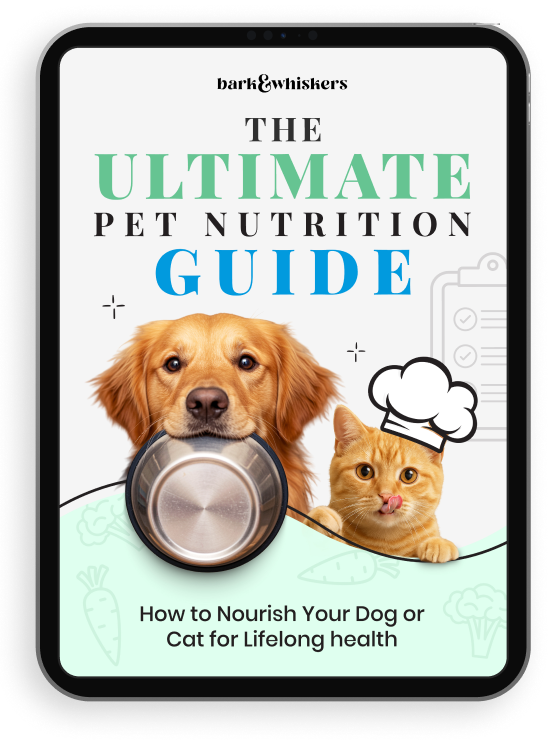
Better Health Begins in the Bowl
The Ultimate Pet Nutrition Guide was created to help dog and cat parents understand what truly supports lifelong health.
In this free guide, you’ll discover:
-

How your pet’s biology influences their nutritional needs
-
Why conventional feeding advice often falls short
-
Practical ways to choose better food for your dog or cat
View our Privacy Policy and Terms of Service.