Please Don't Ever Adopt a New Pet Till You Take These 5 Simple Steps
It's easy to overlook these key steps amid the hustle and bustle of bringing home a new pet. But they're a vital part of helping your newest family member feel safe, secure, and nurtured. Don't cut corners here — your pet will return your love many times over.

Reviewed by Dr. Becker


Join the Bark & Whiskers™ Family
Sign up today for our FREE newsletter, packed with expert advice and insider tips to keep your beloved pet in tip-top shape.
View our Privacy Policy and Terms of Service.


STORY AT-A-GLANCE
- The first few weeks with a new dog help shape your future relationship, so planning ahead can make those early days smoother, less stressful and more rewarding for everyone
- Before bringing a dog home, make sure the whole family agrees on expectations, since good care takes time, energy and commitment, and shared responsibility helps prevent confusion
- Buy essential supplies before your dog arrives, including a leash, collar, food and water bowls, ID tag, toys, bed, crate and biodegradable potty bags
- Dog-proof your home and yard before arrival by moving cords, plants and other hazards out of reach, and arrange training early to help build structure
- Give your dog time to settle in by staying home when possible, arranging support during long absences and offering steady attention, reassurance and clear daily routines
Editor's Note: This article is a reprint. It was originally published April 2, 2016.
The first few weeks you and your new dog spend together will shape your future relationship and forge the lifelong bond between you. To make the most of these crucially important first days and weeks, it's very smart to do some advance planning, including the following steps.
No. 1 — Hold a Family Meeting
Taking excellent care of a pet requires time, energy, and commitment. To avoid either neglecting the new dog, or battles over who didn't do what to care for him, it's best to set everyone's expectations ahead of time.
Before your new pet arrives, sit down with all members of your household to discuss the many details involved in becoming dog guardians.
For example, decide what family members will be responsible for which pet care chores. Often, children ask for a pet and their parents oblige without realizing a child's desire for a pet doesn't always translate to a desire to take care of a pet. Also, children need help to learn how to care for a pet properly.
Even the adults in the family, if chores aren't assigned ahead of time, can assume it's the responsibility of someone other than them to, for example, pick up the dog poop from the backyard. Additional considerations:
- If everyone in the house leaves for work or school every day, who will come in and care for the puppy?
- Who's on potty walk duty? How about when your new furry family member needs to go out in the middle of the night?
- Who will feed and exercise the dog? (Meals, exercise and playtime should happen on a predictable schedule each day.)
- Who will take him for his veterinary wellness exams?
- Who will be taking care of trimming nails, dental care, and brushing and bathing the dog?
Dogs thrive on routine and consistency, so there are household logistics to consider, for example:
- Where will your new dog eat her meals?
- Where will her bowls of fresh water be placed?
- Where will she sleep — in your bedroom? Will she sleep with you or in her own bed?
- Will the dog be gated off from certain parts of the house? If so, how?
- If you plan to crate train, where will you keep it?
Crate training is beneficial for dogs, especially puppies. If you haven’t already, check out crate training videos that offer a step‑by‑step guide to helping your dog feel comfortable in his crate. Crating is an important part of keeping your dog safe when you’re not at home or can’t keep a constant eye on him.
If you’re uncomfortable with the idea of using a crate, keep in mind that dogs are naturally den animals. They instinctively seek out small, secure, and quiet spaces where they feel safe.
Make sure the crate is ready when your pet comes home. If he’s allowed to sleep in your bed for several days and is later moved to a crate, he may have a harder time adjusting. This happens because he has already learned that his nighttime sleeping spot is your bed.
No. 2 — Stock Up on Pet Supplies
It’s best to purchase all necessary pet supplies before bringing a new dog home. This includes a leash, collar, non‑toxic food and water bowls, an ID tag, toys, biodegradable potty bags, a non‑toxic bed, and a crate — everything needed to be fully prepared when the new addition arrives.
It’s also strongly recommended to keep a dog on the same food she has been eating, even if it’s not the highest quality, while gradually transitioning her to a healthier diet. Although a new home may be a wonderful improvement in her life, her body may still interpret this change as stressful. For pets, any change — whether positive or negative — can trigger a stress response.
Puppies, in particular, experience significant stress when they’re separated from their mother and littermates for the first time. They’re also adjusting to entirely new environments, often both indoors and outdoors, which can expose them to unfamiliar allergens that challenge their immune system.
addition, a new dog is adjusting to a new human family and, in many cases, other four-legged household members. During this transition, the last thing her body needs is a sudden dietary change that could lead to digestive upset.
For this reason, it’s best to continue feeding the diet she’s already accustomed to, then slowly transition her to a higher‑quality food once she has settled into her new home.
No. 3 — Dog Proof Your Home and Yard
This is definitely something you'll want to do before bringing your new dog home with you. You might not think of everything you need to do right off the bat, but at a minimum, you should move cords out of reach, plus plants and other hazardous temptations.
If you're bringing home a puppy, you'll have a built-in incentive for keeping a neat, clean house, because if it's been lost or left behind, puppy will find it!
Pet-proofing your home before your new canine companion arrives is the best way to prevent choking, vomiting, diarrhea or another crisis during those important first few weeks.
If your dog will be in your yard off-leash, you'll want to insure there's no way he can escape. You'll also want to avoid using herbicides or pesticides, make sure there are no toxic plants growing, and clear away any brush and debris that could harbor pests during the warmer months of the year.
No. 4 — Arrange for Your New Dog's Schooling
Whether your new canine companion is a puppy or an adult dog, you'll want to get her socialization underway as soon as you bring her home, along with basic obedience training. The best time to start puppy play groups is at 8 weeks of age, then moving on to puppy kindergarten, beginning, intermediate and advanced obedience classes. These are essential elements in raising a well-balanced dog.
New dog parents are often reminded that bringing a dog home without plans to properly socialize or educate her is much like raising a child without allowing her to make friends, explore the world, or attend school. Early experiences play a critical role in shaping behavior. In the same way that parenting doesn’t begin in the teenage years, starting puppy classes at six months of age is often too late to prevent certain behaviors from becoming ingrained and more difficult to correct.
Puppies and dogs are educated about the world through socialization early on with other people, dogs, cats, and environments outside their houses. Dogs that don't get out of their home environment long before 6 months of age often wind up with developmental or social difficulties later in life.
There's a period of time in every puppy's life, typically from 6 to 12 weeks of age, during which mental and social development is most achievable. If your pet isn't socialized during that time, it can set the stage for problems years down the road.
If you adopted your dog from a shelter or rescue organization, she may have some behavior problems, fears, or lack basic training. Many dogs abandoned to shelters weren't given the best care, and staying in a shelter environment for any length of time can also have an effect on an animal's behavior.
Because your dog may come to you with emotional or behavioral baggage, you should be prepared to put in the time and effort required to help her succeed in her new life with you. Behavior modification using a positive reward system is the key to encouraging good behavior.
You may be able to accomplish this on your own, or you may need the help of a veterinarian or an animal behavior specialist. Most importantly, you may correct one training issue only to find another fear or phobia pop up 4 months later; hang in there with positive behavior modification until you see the desired results.
There is a wonderful program recommended for all new parents of adopted or rescued pets that helps dogs adjust to a new home in the least stressful way possible. You can find it at A Sound Beginning, and you can immediately begin using the book's tips and tricks and the calming music CD on your dog's first day home.
No. 5 — Give Your New Dog Time to Adjust and Lots of Positive Attention
Dog guardians are encouraged to take at least a few days off from work — preferably a full week — when welcoming a new pet home. This time allows a puppy or adult dog to adjust to a new environment, build trust, and settle into a consistent daily routine.
If you’re away from home for several hours most days, arranging for a regular dog walker or enrolling your dog in doggy daycare a few days a week is strongly encouraged. Most dogs struggle with being alone for long periods each day without companionship or mental stimulation. This challenge is even greater for new canine family members — and especially for dogs who have recently come from a shelter environment.
The more time you're able to spend with your new canine companion giving him lots of positive attention and teaching him the rules and routines in his new home and life, the better the outcome for both of you.
Sources and References

Better Health Begins in the Bowl
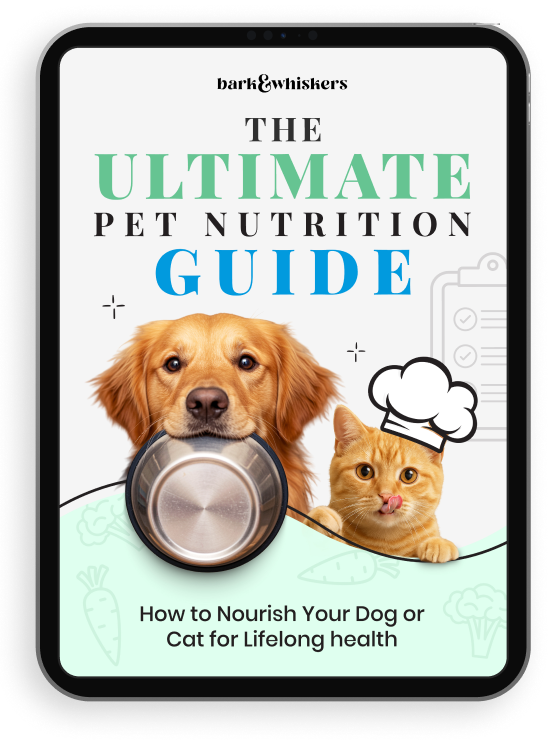
Better Health Begins in the Bowl
The Ultimate Pet Nutrition Guide was created to help dog and cat parents understand what truly supports lifelong health.
In this free guide, you’ll discover:
-

How your pet’s biology influences their nutritional needs
-
Why conventional feeding advice often falls short
-
Practical ways to choose better food for your dog or cat
View our Privacy Policy and Terms of Service.