Is Your Pet Secretly Running on Empty?
Summer heat can drain your dog's energy and fluids faster than you would think — and by the time symptoms show, dehydration may already be serious. Learn the warning signs, how much water your dog really needs, and the simple tips that could save their life.
Reviewed by Dr. Elizabeth Hardoon


Join the Bark & Whiskers™ Family
Sign up today for our FREE newsletter, packed with expert advice and insider tips to keep your beloved pet in tip-top shape.
View our Privacy Policy and Terms of Service.


STORY AT-A-GLANCE
- Dogs need a minimum of 1 ounce of water per pound of body weight daily — summer heat and the 11 AM to 5 PM risk window can dramatically increase those needs
- Watch for subtle warning signs like unusual lethargy, loss of appetite, dry gums, sunken eyes, and reduced skin elasticity before dehydration becomes serious
- The skin tent test and gum check are two quick at-home tools every pet owner should know to catch dehydration early
- Fresh water, moist foods (not dry kibble), a pet fountain, timed walks, and cooling treats like watermelon, cucumber or bone broth popsicles all support daily hydration
- Water intoxication is just as dangerous — dogs who swim or play in sprinklers can drink too much, causing a fatal drop in sodium levels. Also watch out for dogs drinking excessive saltwater while swimming in the ocean as this can also be detrimental and cause elevated sodium levels
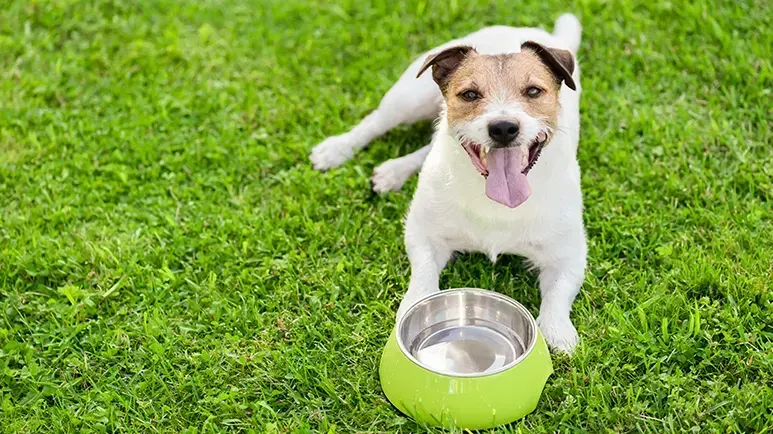
Picture this: It is a sweltering summer afternoon, and your dog has been outside playing fetch, lounging on the porch, or just panting in the heat. You assume they will drink when they’re thirsty — but will they? The truth is, dogs can’t always tell you when they need water, and by the time they show obvious signs of dehydration, the situation may already be serious.
Of all seasons, Summer is the most dangerous for pet dehydration due to the excessive heat; with the highest risk window falling between 11 AM and 5 PM. Rising temperatures push your dog’s body to work harder, and water loss through panting happens faster than most owners realize.1 So, whether your pup is an outdoor adventurer or a couch potato, keeping them properly hydrated during the summer months is one of the most important things you can do for their health.
Why Water Is Everything for Your Dog
About 70% of your dog’s body is made up of water,2 and it is involved in every cellular process that keeps your pet alive and well. It helps their body to digest food, it carries oxygen and nutrients through the bloodstream, it regulates their body temperature, lubricates their joints, and flushes out waste through the kidneys.
When your dog does not get enough water, all those systems start to struggle. Even mild dehydration — as little as 5% loss of body fluids — can cause noticeable symptoms, and severe dehydration — above 10% — can become life-threatening. In the summer heat, dogs can reach that danger zone much faster than you might expect.3
How Much Water Does Your Dog Actually Need?
Dogs need a minimum of one ounce of water per pound of body weight per day to maintain daily functions. A 50-pound dog should be drinking fifty ounces — about six cups — every single day.4 That number will increase depending on your dog’s activity, hot weather or if they have a metabolic disease such as diabetes. During summer, your dog’s water needs can increase significantly. Factors that raise their hydration requirements include:
- Elevated temperatures or humidity
- Physical activity
- Eating dry kibble
- Age
- Certain health conditions
If you have multiple dogs sharing a bowl, it can be hard to track individual intake. Making sure each dog has their own accessible water source is a smart move, especially in the summer.
Warning Signs Your Dog Is Dehydrated
One of the first things you may notice is a change in energy — a dehydrated dog often becomes unusually lethargic or loses interest in food. Excessive panting, even without much physical activity, is another early indicator that your dog may not be getting enough fluids.5
Physical cues are just as telling. Run your finger along your dog's gums — they should feel moist and slick, not dry or sticky. Sunken or dull-looking eyes, a dry nose, and a noticeable loss of skin elasticity are all signs that your dog may be dehydrated.
Two quick at-home checks can help you assess your dog's hydration right now. The first is the Skin Tent Test: gently lift a small pinch of skin from the back of your dog's neck, then let it go. In a well-hydrated dog, the skin springs back immediately. If it moves slowly or stays "tented" for a moment, your dog may be dehydrated.
The second is the Gum Check: Press a fingertip on your dog's gums. Your finger should slide on their gums, and their gums should feed moist or slick. Your finger should not stick to your dog’s gums. If their gums feel dry or tacky this is a sign of dehydration. If your dog shows any severe signs such as weakness, difficulty walking, or collapse, get to an emergency veterinary clinic right away. They will most likely need intravenous or subcutaneous fluids.
How to Keep Your Dog Hydrated All Summer Long
The good news is that keeping your furry canine friend hydrated is not much of a chore, however, it goes well beyond just filling their bowl in the morning. Small, consistent habits throughout the day can make a significant difference, especially when the heat is at its worst. Here are the most effective strategies:6,7
- Always have fresh, filtered water available — Stale or warm water is less appealing to dogs, so change their water at least once a day — more often in summer. Use a clean bowl and place multiple bowls around the home so your dog always has easy access no matter where they are resting.
- Add wet food or fresh food to their diet — Species-appropriate fresh or raw food or even high-quality canned food contains about 70% to 80% water. Dry kibble contains only 5% to 10% water and can contribute to dehydration if your pet is not drinking enough. Switching even part of your dog's diet to fresh or wet food can make a meaningful difference in their daily hydration without any extra effort on your part. You can also add in water, goat milk, or bone broth to your pet’s food bowl for extra hydration.
- Try a pet water fountain — Pet water fountains are highlighted as more effective than standard bowls during summer because they provide continuously moving water, which stays fresher and cooler longer and may entice your pet to drink more throughout the day.
- Offer cooling treats — Cooled bone broth or bone broth popsicles are excellent ways to boost fluid intake and helps your pet stay cool. There are also other healthy popsicle recipes you can make for your pet to help them stay cool — one idea would be plain yogurt mixed with a small amount of peanut butter and frozen. Your pet may also enjoy a small amount of shaved or crushed ice, which is fine in moderation. Avoid giving an excessive amount of ice or giving whole ice cubes as some pets may try to swallow them whole which can lead to choking.
- Time your walks wisely — Early morning or evening walks when the weather is cooler significantly reduce how much your dog pants and loses fluid.
- Bring water on every outing — Whether you are heading to the park, the beach, or just a quick errand, always bring water and a portable bowl. Do not wait until your dog is visibly panting to offer a drink.
One thing many pet parents overlook is that indoor dogs are not off the hook either. Homes without air conditioning can reach up to 90°F (34°C) during heat waves; and fans do not cool dogs as well as they cool humans. Because dogs are covered with fur and sweat through their paws, not their skin, fans are just not as effective at cooling them down and overheating can still occur.
Too Little, Too Much: Common Hydration Mistakes
Even the most attentive pet parents can fall into habits that may work against keeping their pet hydrated. A single water bowl tucked in one corner of the house limits access. Placing your pet’s water bowl near a cat litter box makes it even less appealing, since dogs will instinctively avoid water near areas associated with waste. Walking your dog during the peak afternoon heat ramps up fluid loss through panting, and relying solely on dry kibble — which contains almost no moisture — means your dog has to drink significantly more just to make up the difference.
What surprises most owners is that the opposite problem — too much water — can be just as dangerous. Water intoxication, or hyponatremia, happens when a dog drinks too much too quickly, throwing off the body's sodium balance. Dogs who swim, chase hose water, or play in sprinklers are most at risk, often swallowing copious amounts without even realizing it.8
Also at risk are dogs who swallow substantial amounts of saltwater, such as dogs swimming in the ocean, at the beach, or even in a saltwater pool. This can cause excessive salt consumption due to the salt level in the water (hypernatremia).
Either overconsumption of fresh or saltwater can cause serious symptoms include lethargy, weakness, confusion, vomiting and diarrhea. In severe cases it can lead to seizures or comas. If your dog has been playing in the water and something seems off, do not wait — get to an emergency vet right away.9
Yummy Thirst-Quenching Treats
Food can do double duty as hydration, and some of the best options are already sitting in your kitchen. Several dog-safe fruits and vegetables are naturally high in water content and make excellent summer snacks — just introduce new foods gradually and always avoid grapes, raisins, and onions, which are toxic to dogs. In TCVM (traditional Chinese veterinary medicine) there are also foods known to have cooling properties which may help your pet stay cool during warm weather. Try adding one or more of these foods to your pet’s diet:
For water content:
- Watermelon (seedless, no rind)
- Cucumber
- Celery
- Strawberries
Foods noted for cooling properties in TCVM:
- White Fish
- Turkey
- Duck
- Rabbit
- Yogurt *
*Be sure the yogurt is plain or vanilla and does not contain artificial sweeteners such as xylitol.
When heat or activity has really taken a toll, plain water sometimes is not enough to restore electrolyte balance quickly. A simple homemade electrolyte drink can help — and it takes less than five minutes to make. Here is what you will need:
Ingredients:
- 4 cups clean water
- 1 tablespoon honey (raw if possible)
- 1/4 teaspoon fine sea salt
- 1 tablespoon low-sodium chicken broth (no onion)
Procedure:
- Stir all ingredients together until fully dissolved.
- Serve chilled, in insignificant amounts — about 2 to 4 tablespoons per 20 pounds of your dog's body weight at a time.
You can offer this drink once or twice on days of extreme heat or heavy exercise, but think of it as an occasional recovery tool, not a daily drink. And skip the human sports drinks as many varieties contain xylitol and other artificial sweeteners that are dangerous for dogs.
The Bottom Line
Summer hydration is not complicated, but it does require your attention. Your dog depends on you to make sure they have access to clean, fresh water every day, especially when the heat is on. Keep an eye on how much they are drinking, know the signs of dehydration, and take simple steps like adding fresh food or a water fountain to their routine.
Sources and References

Better Health Begins in the Bowl
Better Health Begins in the Bowl
The Ultimate Pet Nutrition Guide was created to help dog and cat parents understand what truly supports lifelong health.
In this free guide, you’ll discover:
-

How your pet’s biology influences their nutritional needs
-
Why conventional feeding advice often falls short
-
Practical ways to choose better food for your dog or cat
View our Privacy Policy and Terms of Service.