A Common Paw Problem That Can Make Walking Painful
A painful bump between your dog's toes may seem minor, but it can be a warning sign of a deeper paw problem that makes every step hurt.
Reviewed by Dr. Tracy Duffner




Join the Bark & Whiskers™ Family
Sign up today for our FREE newsletter, packed with expert advice and insider tips to keep your beloved pet in tip-top shape.
View our Privacy Policy and Terms of Service.


STORY AT-A-GLANCE
- Painful bumps between the toes may look minor, but they can signal interdigital cysts that make walking uncomfortable and often worsen without prompt veterinary care
- These lesions are not true cysts. The medical term is interdigital furunculosis and they usually form when hair follicles between the toes become irritated, get infected, and ,sometimes, rupture triggering swelling, pain, and licking
- Allergies, rough surfaces, excess licking, obesity, poor foot structure, trapped debris, and wet conditions can all raise the risk and make flare-ups more likely
- Successful treatment usually means more than clearing the bump. Long-term improvement depends on treating infection, calming inflammation, controlling allergies, and reducing the triggers that keep irritating the paw
- Regular paw checks, keeping feet clean and dry, maintaining a healthy weight, and addressing itching early can help prevent this painful problem from returning
When your dog starts licking one paw over and over, slowing down on walks, or acting sore when you touch the foot, it is easy to think the problem is minor. You may assume there is dirt stuck between the toes or a small irritation that will go away on its own or a bug bite. But a painful bump between the toes can be a sign of an interdigital cyst. Here is what you should know about this problem.
This is one of those problems that may look small but feel much bigger to your dog. A bump between the toes may not seem dramatic at first glance, but your dog places weight on that sore area every time a paw hits the ground. That is why a small lesion can quickly interfere with normal walks, play, and daily comfort. Dogs may limp from the pain, especially on uneven surfaces, or keep licking and chewing at the paw.
What an Interdigital Cyst Really Is
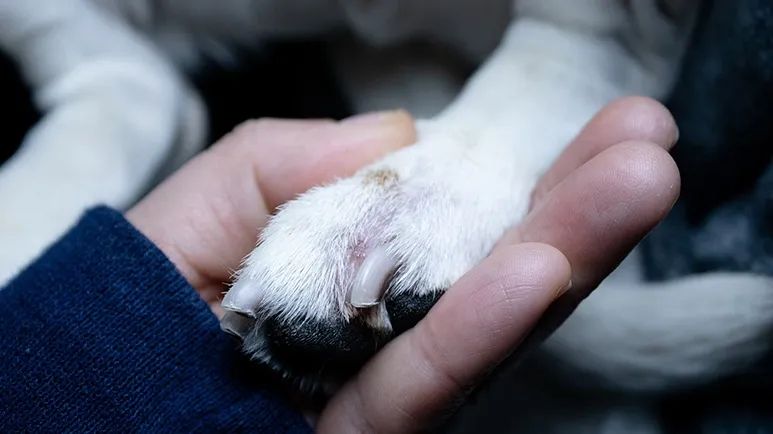
An interdigital cyst is an inflamed bump that forms in the skin between your dog’s toes.1 Even though the word “cyst” is commonly used, Animal Wellness notes that these lesions are not true cysts. However, that does not mean these growths should be left unaddressed, as they can quickly interfere with normal walks, play, and daily comfort.2
In many dogs, the trouble begins when hair follicles in that area become irritated and rupture. Once that happens, the surrounding tissue becomes even more inflamed, which can lead to a red, swollen, painful nodule. These lesions may leak clear fluid, blood-tinged fluid, or cream-colored fluid if infection is present.3,4
Interdigital cysts can be stubborn because the problem is not just on the surface. The irritation often starts deeper in the skin, and once the area is damaged, licking and chewing can keep the cycle going. Your dog feels pain or itchiness, licks the paw for relief, and then creates even more trauma, raising the risk of infection, cellulitis, and scarring.
That helps explain why these lesions often seem to improve for a short time and then return. The visible bump may shrink, but the deeper irritation may still be there. Unless the cause is addressed, the paw often stays vulnerable to recurrence.5,6,7
Why These Bumps Form
The simplest way to understand this condition is to think about irritation plus pressure. The skin between your dog’s toes has hair follicles, and when that haired skin becomes inflamed or injured, those follicles can become damaged. From there, painful nodules can form, rupture, and become infected. Several things can set that process in motion:
- Allergies — Allergy-induced paw inflammation is described as the most common cause of interdigital cysts. Dogs with allergies often have itchy feet, and they may also have recurrent skin problems in other areas, such as the ears.
Common allergy triggers can include pollen, dust mites, molds, fleas, and certain food proteins. When the paws stay itchy, your dog licks more, the skin barrier weakens, and the area between the toes becomes much more likely to develop these painful lesions. - Licking — Aside from being a sign, it can also become part of the cause. Dogs that repeatedly lick or chew at their paws because of itching or discomfort can create enough trauma to trigger more inflammation. That is why repeated paw licking should never be ignored.
- Mechanical stress — Repeated rubbing in the spaces between the toes can inflame the follicles and start the cycle. Rough ground, hard surfaces, repeated pressure from walking, and small injuries to the feet can all play a role. In some dogs, foreign material such as a splinter or grass awn may get lodged in the skin and trigger irritation. Moisture from wet environments is also a risk factor because softened skin can be more vulnerable to bacterial overgrowth.
- Weight and mobility issues — Extra body weight places more pressure on the spaces between the toes with every step. Dogs with arthritis or other painful joint problems may also shift their weight in ways that put more strain on the paw. Over time, that repeated stress can make the skin between the toes much easier to irritate.
Less common medical issues can also contribute, especially when the problem keeps returning. These can include mites, trapped foreign material, hypothyroidism, or other underlying skin and hormone-related problems.
Which Dogs Are More Likely to Get Interdigital Cysts?
Some dogs appear more prone to interdigital cysts because of coat type, paw shape, body condition, or the way they move. These include Bulldogs, Labrador Retrievers, German Shepherds, Great Danes, Mastiffs, Bull Terriers, Boxers, Basset Hounds, Shar-peis, and Pekingese.
Dogs with short, coarse hair are often at risk because their coat type may make follicles more likely to become inflamed and rupture. Short, bristly hair growing between the toes may curve back into the skin and add to the irritation.
Paw shape can matter as well. Dogs with wider paws or deeper spaces between the toes may place more pressure on the haired skin between the pads. That creates more rubbing and stress in exactly the area where these lesions tend to form. Closely positioned toes and poor foot conformation can increase risk.8,9
Signs to Keep an Eye Out For
The most obvious sign of an interdigital cyst is usually a red, raised bump between the toes. In some dogs, it looks like a swollen nodule. In others, it looks more like a raw sore. The area may be tender, damp, or draining, especially if the lesion has ruptured or become infected. You may notice:
- Limping
- Redness between the toes
- Swelling
- Licking or chewing of one foot
- Tenderness when the paw is touched
- Drainage or bleeding
- Reluctance to walk
- Slower movement on walks
- Discoloration of the paw
Pain often shows up in behavior before you get a close look at the paw. Your dog may stop during walks, pull the foot away, or seem unusually cautious on uneven ground. A dog that normally charges outside may suddenly move more slowly because every step hurts.10
One of the hardest parts of interdigital cysts is that if the real cause is still there, the lesion may return even after it looks better. That is why quick-fix care often falls short. The sore may improve for a few days, but the paw is still set up to flare again.
The key point is simple: the paw usually will not stay better unless the underlying cause is addressed. Hence, it is best to consult with your veterinarian once you see this growth to pinpoint the underlying cause.11,12
How Your Veterinarian May Figure Out the Cause
Several paw problems can look alike at first, so your veterinarian may need to sort through more than one possibility. Conditions such as mites, fungal infections, skin cancer, and other inflammatory skin diseases can sometimes resemble interdigital cysts. To narrow things down, your veterinarian may recommend:13
- Physical exam
- Skin scrapings and hair plucks
- Tape samples
- Bacterial culture and sensitivity testing
- Diet trial if food allergy is suspected
- Allergy testing for environmental triggers
- Bloodwork or urine testing to screen for metabolic disease
- Skin biopsy in stubborn or unusual cases
That may sound like a lot when the problem seems to be just a sore paw, but this kind of workup can prevent months of repeated flare-ups and guesswork. It can also help make sure your dog is being treated for the real issue, not just the symptom you can see.
Treatment Options
Treatment usually works best when it targets both the painful lesion and the reason it formed. That means your dog may need more than one type of treatment at the same time.
A treatment plan may include anti-inflammatory medication to calm the swelling, antibiotics if infection is present, and topical care such as medicated soaks or ointments. If allergies are driving the problem, your dog may also need allergy treatment or a diet trial. If weight or arthritis is adding pressure to the paws, those issues may need attention too.
One important point for pet owners is that treatment for infection may take longer than expected. If the condition is severe or keeps returning despite treatment, your veterinarian may also discuss procedures such as surgical removal of affected tissue, laser surgery in difficult cases, or fusion podoplasty as a last resort in severe recurring cases.14
Some pet parents also explore complementary care alongside standard treatment. These include acupuncture, Traditional Chinese herbal formulas, herbal soaks with ingredients such as calendula or chamomile, omega-3 fatty acids or other anti-inflammatory supplements, and environmental changes such as keeping paws clean and dry, using paw balms, and avoiding irritants.15
What You Can Do at Home
One of the most useful things you can do to avoid this health condition is to pay attention early. Check your dog’s paws regularly, especially if your dog has allergies, is prone to licking the feet, is a predisposed breed, or walks often on rough ground.
It also helps to notice patterns. Does the licking get worse during allergy season? After walks on hard or uneven surfaces? When the ears are itchy too? After weight gain? These clues can help reveal what is driving the problem.
Stopping self-trauma is especially important. If your dog keeps licking the paw, healing becomes much harder. In some cases, your veterinarian may recommend a cone, protective footwear, or other ways to reduce irritation while the area heals.
If You See This Simple Bump, Take a Closer Look at Your Dog’s Overall Health
An interdigital cyst may look like just a bump between the toes, but it can be a sign of a much bigger paw problem. These lesions are painful, often tied to inflamed or ruptured hair follicles, and are commonly linked to underlying conditions.
The most helpful way to think about this condition is as a warning light. Your dog’s paw is telling you that something is wrong. That “something” might be itch, infection, rough environmental stress, abnormal pressure, or a deeper medical problem that needs attention. When you catch it early and address both the sore spot and the reason behind it, your dog has a much better chance of getting back to comfortable, steady, pain-free walks.
Sources and References

Better Health Begins in the Bowl

Better Health Begins in the Bowl
The Ultimate Pet Nutrition Guide was created to help dog and cat parents understand what truly supports lifelong health.
In this free guide, you’ll discover:
-

How your pet’s biology influences their nutritional needs
-
Why conventional feeding advice often falls short
-
Practical ways to choose better food for your dog or cat
View our Privacy Policy and Terms of Service.