The Real Reason Your Dog Won't Drop That Stick
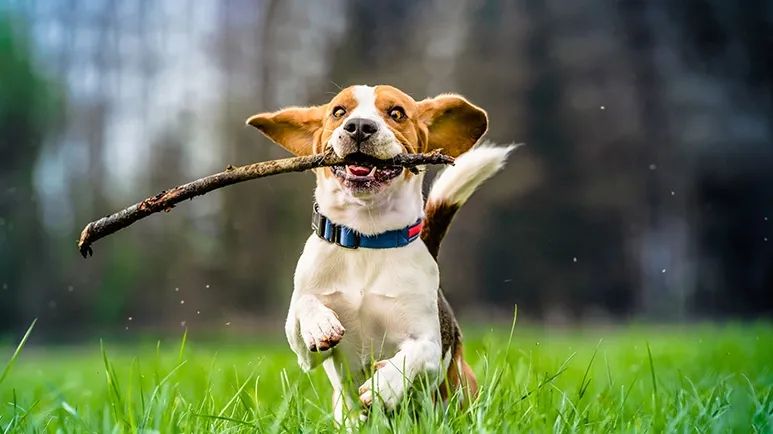
Dogs have a way of forming attachment to all sorts of things, including their toys, their favorite person, and even a stick picked up during a walk. So what is it about a simple stick that makes them act like they've found buried treasure?
Reviewed by Dr. Arielle Walton

Join the Bark & Whiskers™ Family
Sign up today for our FREE newsletter, packed with expert advice and insider tips to keep your beloved pet in tip-top shape.
View our Privacy Policy and Terms of Service.

STORY AT-A-GLANCE
- Dogs are drawn to sticks because engaging with them feels good and stimulates their senses. The smell, texture, and weight of a stick tap into their instincts for play and exploration, as well as the simple thrill of carrying something special during a walk
- Carrying a stick is usually harmless, but chewing or swallowing wood can sometimes lead to splinters, mouth injuries, choking, or digestive issues
- Pay close attention to your dog if they start to chew aggressively, eat the stick, guard it, or show tension around other dogs. Calm redirection helps prevent problems in case this happens
- Safer toys like rubber sticks, rope toys, balls, and edible chews can give your pup the same joy of carrying and chewing without the risk
- If your dog becomes fixated or distressed without a stick, a certified trainer or veterinary behaviorist can help redirect that behavior into healthier habits
You may have heard that dogs love sticks because it’s part of their ancestral instincts. Their ancestors carried food, bones, and other objects as part of survival,1 and that drive to pick things up and hold onto them hasn’t gone away. Today, that same behavior often shows up during play.
For many dogs, chewing on a stick may feel familiar and satisfying because it taps into those instincts, even if it’s just a simple backyard find. Knowing a little more about this habit can help you keep playtime safe and enjoyable. Let's break it down.
So, What’s the Deal with Your Pup and Sticks?
Sticks are way more interesting to our canine companion than they look to us. It engages multiple senses at once — smell, texture, taste, and even the crunch of biting down, which is why they're so exciting for your pup on walks.2
In a Chewy article, Christopher Pachel, DVM, DACVB, a board-certified veterinary behaviorist, explains that carrying things around is how dogs play and explore. For some pups, a stick fills the same role as a ball or a toy. This is especially true for retrievers, herders, and sporting breeds.3
Sticks can also become a social tool. Many dogs quickly figure out that carrying a stick gets a reaction. Laughs, praise, eye contact, or a spontaneous game of chase can unintentionally teach your dog, "This is how I get my human's attention." Pachel explains that even small, casual reactions can reinforce the habit over time.
Sticks also provide comfort. Dogs experience the world with their mouths, and wood offers a unique texture and scent that can be especially satisfying. Sabrina Kong, DVM, a veterinary consultant and certified canine rehabilitation practitioner, explains that chewing is soothing for many dogs, especially teething puppies or pups who are a little overwhelmed by all the sights and smells outside.
And sometimes, it's simply an invitation to play. Trotting over with a stick can be your pup's way of saying, "Want to chase me?" or "Let's tug!" Dr. Pachel notes that this behavior tends to occur during moments of excitement, exploration, or social time with other pups. Dogs also learn from each other. Watching another dog parading a prized branch is all the encouragement they need to try it themselves.
Is Your Pup's Stick Habit Something to Worry About?
In many cases, stick carrying doesn't need to be corrected, as long as it’s under your supervision. That said, sticks do come with some risks that aren't always obvious. Wood can splinter, break, or shift unexpectedly when your dog chews too hard, runs, or bumps into something while holding a long branch. Here are possible risks to watch for:4,5,6
- Splinters in the mouth or gums
- Swallowed fragments that may cause digestive irritation or, in more cases, a blockage or puncture
- Cracked or broken teeth from hardwood
- Mouth or facial injuries during active play
- Accidental bumps or pokes to people or other dogs if a stick gets swung or dropped
You don't need to take away something your pup loves, just step in when it stops being safe. Keep an eye out for behaviors like:
- Aggressive chewing or breaking off pieces
- Trying to swallow parts of the stick
- Guarding the stick from you or other dogs
- Tension or conflict with other dogs over sticks
If you notice these signs, calmly redirect your dog. Swap the stick for a favorite toy or treat, and keep your voice light.
My Dog Ate a Stick, Now What?
If you think your dog swallowed a stick, it’s always safest to err on the side of caution. Even if your pup seems fine at first, contacting your veterinarian for advice is the right first step. They may recommend an exam or imaging, such as X‑rays, to determine where the stick is and whether it’s likely to pass safely.7
In some cases, the stick may need to be removed before it moves further through the digestive tract. This is a simple procedure performed with sedation. Don't try to make your dog vomit at home unless your vet specifically tells you to do so — sharp splinters can cause more damage coming back up.
If you can't get to a clinic right away, a veterinarian may be able to help you over the phone or through a virtual consultation to figure out the safest next steps based on your dog’s symptoms and what was ingested. You're never overreacting by reaching out to a professional.
Safer Toys Your Pup Will Love Just as Much
If your dog loves to fetch, carry, or chew on sticks, there are plenty of better alternatives that will give them the same kind of fun without the risks.8 Safer toys for chase and fetch include:
- Balls — Choose one that is large enough that your dog cannot swallow it. A ball with a rope attached can be even better for games of fetch and tug.
- Rope toys — Durable and easy to grip, these are great for interactive play.
- Fake stick toys — These are made from rubber or soft plastic, so they have the shape of a stick without the sharp edges or splinters.
If you’re looking for better chew toy choices to calm your pup down, consider these:
- Edible chew sticks — These are a safer way to satisfy your dog's urge to chew, and are best given as an occasional treat.
- Stuffable toys — Hollow toys you can fill with your pup's favorite treat keep them busy longer and add mental stimulation. Just make sure you pick the right size for your dog.
No matter which option you choose, it’s best to offer these toys under supervision. Keeping an eye on your dog during play helps reduce the risk of choking, breakage, or accidental swallowing.
When It's Time to Call in Some Backup
Most stick-loving dogs are just being dogs, and that's usually nothing to worry about. But if your pup's interest becomes intense and hard to redirect, it may be worth calling in extra help.
If your dog becomes fixated on sticks, ignores other toys or activities, constantly searches for them on walks, or seems upset when they can't have one, it can point to more than normal play.9 These behaviors reflect trouble managing excitement or stress, or even compulsive tendencies.
A certified trainer or veterinary behaviorist can help you address these patterns safely. This often involves setting clear limits on access to sticks, encouraging play with safer toys, and practicing cues like "leave it" in low-distraction settings, such as inside your home, before trying them outdoors. The goal is not to punish your dog but to guide their natural interest toward safer, more rewarding habits.
To you, a stick may seem like nothing special. To your pup, it's a treasure worth carrying. With a few thoughtful adjustments, you can keep that sense of fun while making playtime safer for everyone.
Sources and References

Better Health Begins in the Bowl
Better Health Begins in the Bowl
The Ultimate Pet Nutrition Guide was created to help dog and cat parents understand what truly supports lifelong health.
In this free guide, you’ll discover:
-

How your pet’s biology influences their nutritional needs
-
Why conventional feeding advice often falls short
-
Practical ways to choose better food for your dog or cat
View our Privacy Policy and Terms of Service.