When Your Pet Deserves a Little Pampering
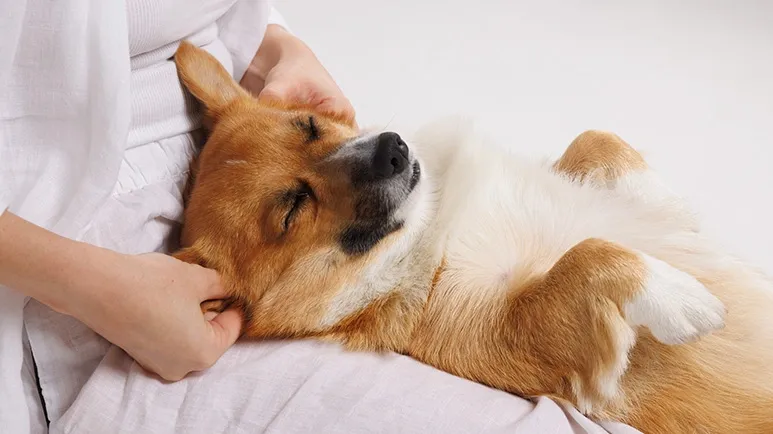
Just like you, your fur baby deserves some TLC. A gentle massage gives them comfort and support. It helps you build a stronger bond and supports your pet's health, inside and out.
Reviewed by Dr. Arielle Walton



Join the Bark & Whiskers™ Family
Sign up today for our FREE newsletter, packed with expert advice and insider tips to keep your beloved pet in tip-top shape.
View our Privacy Policy and Terms of Service.


STORY AT-A-GLANCE
- Canine therapeutic massage or therapeutic touch uses gentle, targeted touch to work a dog’s muscles and soft tissues, ease tension, and reduce discomfort
- People have used massage on animals since ancient times, and interest surged in the 1970s when equine massage improved horse performance
- Massage offers wide‑ranging benefits beyond easing aches, supporting digestion and immunity, fostering emotional bonding, aiding toxin removal, and promoting deep relaxation
- Creating a calming massage space means choosing a quiet spot where they can feel safe and cozy
- Learning your dog’s comfort level and starting with gentle, beginner‑friendly techniques like effleurage and light tapping helps make at‑home massage safe and effective
Most of us appreciate a good massage because it’s relaxing and melts away stress. Your dog feels stress and experiences aches, just like you do.
A scratch behind the ears or a belly rub is a great start, but sometimes your dog needs a bit more than a quick moment of affection. That’s where massage can help — offering your dog the same calming, comforting relief you enjoy.
The Basics of Canine Massage
Massage is the gentle manipulation of the body’s soft tissues to support comfort, mobility, and overall health. For pets, it’s considered a natural therapy that can easily complement your dog’s regular veterinary care.
According to the Lone Tree Veterinary Medical Center, canine therapeutic massage relies on intentional hand movements designed to work with your dog’s muscles and soft tissues.1 Practitioners use their hands, fingers, or forearms to apply gentle, targeted pressure through techniques like small circular motions, kneading, tapping, or light compression.
A Brief History of Pet Pampering
While it may seem like a modern trend, massaging companion animals has been around for ages.2 Long before advanced veterinary medicine, early cultures used hands‑on techniques to care for the animals they relied on, including dogs.
Interest in therapeutic massage grew again in the 1970s when equine trainers used it to help an older horse regain mobility. The results were so impressive that massage quickly became accepted in competitive horse racing and equestrian sports. Over time, it found its place in the canine world, too.
Today, people use canine massage at dog shows, sporting events, and at home to help their dogs manage discomfort, anxiety, and age-related changes with natural care.
How Massage May Help Dogs Move and Feel Better
Canine massage is an emerging area of interest, and it’s beginning to draw more scientific attention. In one study published in Veterinary Record,3 researchers reviewed case notes from 527 dogs treated by trained Canine Massage Guild practitioners to see how massage affected their comfort and mobility.
The results were consistent: Dogs moved more comfortably and showed less pain after each massage. Even though it didn’t eliminate underlying issues like arthritis or old injuries, the severity of their pain steadily decreased over time. Many dogs were also described as having a noticeably better quality of life after treatment.4
“This cross-sectional study indicates canine massage therapy may effectively reduce myofascial and musculoskeletal pain severity… and may be a valid treatment for pain derived from muscular injuries, arthritis, and other orthopedic conditions,” the study authors reported.
Beyond Body Aches: Other Benefits of Massage
Aside from helping your pet move comfortably, massage offers several other meaningful benefits that support your dog’s overall well‑being. In an article in Vet Tech Colleges, Rubi Sullivan, founder of Heal Animal Massage and instructor at the Northwest School of Animal Massage, highlights how uplifting this hands-on care can be for both animals and the people who love them. She explains:5
“There are just so many benefits to you and your furry family members. It’s definitely a win-win. We see huge benefits for the animals. As animal massage therapists, we benefit from it because it’s pretty amazing to watch the animals.”
Beyond the physical effects, massage can also strengthen the emotional connection you share with your dog. Additional benefits may include:
- Improved digestion — Gentle touch encourages healthy blood flow, which can help ease gas and constipation.
- Stronger immune support — Lower stress hormones and better circulation can help your dog’s natural defenses function more smoothly.
- More efficient flushing out of bodily toxins — Massage encourages the flow of lymph fluid, promoting better circulation and the efficient removal of waste.
- A calmer nervous system — Massage activates the parasympathetic “rest and relax” response, helping your dog unwind and sleep more soundly.
Now that you understand the many ways massage can support your pet, the next step is simply to prepare before you begin, and the good news is that this part is entirely doable.
The Setting for a Calming Massage
According to the Earthbath blog,6 curating for coziness makes all the difference when you’re getting your furry best friend ready for a massage. Choose a quiet, familiar spot where your pet naturally feels safe, such as their favorite corner, a cozy place on the couch, or even a sunny patch on the floor. Roll out a yoga mat or a soft towel for them to settle on.
Choose the right time and start when your pet feels relaxed. Avoid sessions right after playtime, because your dog still has high energy. Let your dog set the pace. Some pups warm up slowly and may only want a short session, and some might really warm up and feel safe in your hands.
Start with These Simple Massage Techniques
Sullivan also suggests taking your dog’s temperament, health history, and past experiences into account before you begin — and, when possible, starting with a professional so you can learn to read your pet’s body language and reactions.
Before you try massaging your dog at home, it’s good to remember that pets don’t always react to touch the way people do. Some dogs may be sensitive about certain areas or guarded if the touch feels unfamiliar. If you’re new to this and want a gentle, reliable place to start, here are two techniques that work well:7
- Effleurage — This calming technique uses long, gentle strokes to help relax tight muscles and support healthy circulation.
- Place your hands softly on your pet’s back or neck.
- Use a smooth, gliding motion to follow the natural lines of their body.
- Continue with slow, even strokes, adjusting your pressure and pace as your pet responds.
- Notice any spots where your pet tenses or pulls away, and soften your touch as needed.
- Tapping (Tapotement) — This involves light, rhythmic tapping with your fingertips or palms, similar to the gentle tapping used in Emotional Freedom Techniques (EFT) for pet parents.
- Rest your hands lightly on your pet’s back or neck.
- Use your fingertips or palms to tap softly, switching between hands and different areas of the body.
- Pay attention to your pet’s reactions and ease up if an area feels too sensitive.
- Continue for a few minutes, increasing or decreasing the speed as needed to keep your pet relaxed.
Earthbath notes that you’ll know your fur baby is enjoying the massage if they settle in, wag their tail softly, or let out a contented sigh. If they stiffen, pull away, or whine, it’s a sign to try a lighter touch or switch to a different technique.8
The article also shares that short daily massages are great for anxious dogs, while pups dealing with pain or recovery do better with one or two focused sessions a week, ideally with support from a veterinary massage therapist.
Make Them Feel Paws-itively Loved
In the flurry of everyday routines, the power of a loving touch can get lost. That’s why it matters to show your pets how much you appreciate them, especially when they stay up with you, stick by your side, or push through little body hiccups without complaint. You don’t need flashy toys or anything fancy. A few quiet minutes, your gentle hands, and your full attention can say everything: you’re safe, you’re loved, and I’m here.
Sources and References

Better Health Begins in the Bowl

Better Health Begins in the Bowl
The Ultimate Pet Nutrition Guide was created to help dog and cat parents understand what truly supports lifelong health.
In this free guide, you’ll discover:
-

How your pet’s biology influences their nutritional needs
-
Why conventional feeding advice often falls short
-
Practical ways to choose better food for your dog or cat
View our Privacy Policy and Terms of Service.