Is Your Pet's Smile Putting Their Heart at Risk?
When was the last time you had your pet's teeth checked? If their breath smells off, something could be brewing underneath. Here's why you should take a closer look at those pearly whites and why your pet's overall health may be at risk.
Reviewed by Dr. Elizabeth Hardoon


Join the Bark & Whiskers™ Family
Sign up today for our FREE newsletter, packed with expert advice and insider tips to keep your beloved pet in tip-top shape.
View our Privacy Policy and Terms of Service.


STORY AT-A-GLANCE
- Bad breath in pets is not normal. It signals dental disease, which can spread harmful bacteria through the bloodstream and damage the heart, liver, and kidneys
- Plaque buildup leads to periodontal disease, which is extremely common in dogs and cats. Many show signs of dental disease as early as age 3
- Oral bacteria entering the bloodstream can attach to heart valves, causing endocarditis and contributing to long-term heart disease, making dental care essential beyond just fresh breath; especially for pets with underlying cardiac disease
- Pets are masters at hiding pain and will still eat despite tooth pain; so dental disease often goes undetected until it becomes severe. Watch for bad breath, red gums, tartar buildup, drooling, facial swelling, or changes in eating habits
- Daily brushing, dental or natural chews, a balanced diet, appropriate supplements, regular exercise, and routine vet visits, including professional cleanings, are key habits for protecting your pet's dental and overall health
When you think about caring for your pet, you focus on things like species-appropriate food, regular exercise, and health checkups. But there is another important part of your pet’s health that often gets overlooked — their dental health.
Many pet owners think that bad breath is a normal part of having a dog or cat. That smell can be an early warning sign of dental disease. What is more, it does not just affect the mouth — it can eventually have an impact on your pet’s entire body, including the heart, liver, and kidneys.1,2
Understanding how oral health connects to overall health can help you protect your pet for years to come. The good news is that simple daily habits can already make a significant difference.
Dental Health Forms a Big Part of Your Pet’s Wellness
Your pet’s mouth is naturally full of bacteria. Most of the time, this is not a problem, but when plaque builds up on the teeth, it creates the perfect environment for harmful bacteria to grow. For context, plaque is a sticky film that forms on teeth shortly after eating and, over time, hardens into tartar. Tartar adheres to the teeth and is much more difficult to remove than plaque. The accumulation of plaque and tartar in the mouth can lead to inflamed gums (gingivitis) as well as periodontal disease.3
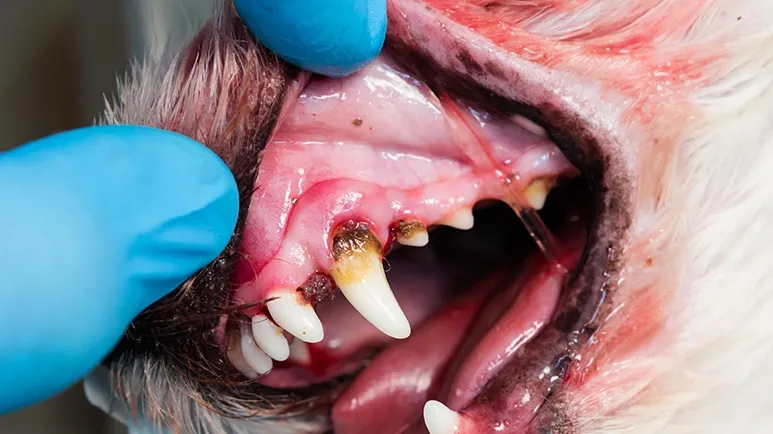
Periodontal disease is extremely common in pets. In fact, many dogs and cats begin showing signs of dental disease by the age of three. That means dental problems can start much earlier than many pet owners realize. The signs may seem minor at first but eventually will lead to tooth loss as well as overall health issues. Some early signs to look out for include:4
- Bad breath
- Red or swollen gums
- Yellow or brown buildup on teeth
The Link Between Dental Health and Heart Disease
Without treatment, dental disease can progress and affect your pet’s overall well-being — including heart health. While this information may seem far-fetched, it is a common phenomenon, especially in smaller breed dogs and those prone to cardiac disease or heart murmurs
More specifically, when gum disease develops, inflammation creates small openings in the gums where bacteria can enter the bloodstream.5,6 From there, bacteria can travel to the heart and in some cases; especially in those pets with heart murmurs; bacteria may adhere to the heart valves and cause an infection known as “endocarditis.” Endocarditis can cause permanent damage and the development of chronic cardiac disease.7
Heart disease in pets can develop slowly, especially as they age. A previously healthy pet may seem to suddenly develop a heart murmur as they age. Some pets have a higher risk due to factors such as:8
- Breed
- Age
- Body weight
- Lifestyle
Small dogs of certain breeds including Maltese, Poodles and Cavalier King Charles, as well as others, are prone to developing heart murmurs (leaky heart valves). While larger breeds such as Doberman Pinchers and Boxers are more likely to develop cardiomyopathy or arrythmias. Cats can also develop heart disease, especially “silent heart disease” with no heart murmur and without obvious symptoms. Signs of heart problems may include coughing, fast or heavy breathing, difficulty exercising, lethargy and weakness.9
Note that not every pet with dental disease will develop heart problems. However, untreated oral infections can significantly increase the risk of heart disease.10 Hence, This is why dental care is so important for pets and should not be ignored. It is a vital aspect of wellness to keep your pet’s breath smelling fresh as well as protecting their heart health.
Dental Disease Can Also Affect Other Organs
When your pet’s oral health suffers, their heart isn’t the only organ that may be affected. Dental disease also puts your pet’s other organ systems at risk including:11
- Liver health — The liver filters toxins from the blood. When harmful bacteria circulate through the body, the liver needs to work harder to remove them. Over time, chronic infection and inflammation can strain the liver and affect its function.
- Kidney health — The kidneys also filter waste from the bloodstream. Constant exposure to inflammatory bacteria can contribute to chronic kidney disease.
- Immune system — When dental infections continue for months or years, they cause excessive inflammation in the body. This can weaken the immune system and contribute to the development of other health issues.
One of the biggest challenges with dental disease is that it often develops quietly. Pets are particularly good at hiding pain. Even when their teeth hurt, they may continue eating normally. Because of this, many pet owners do not realize something is wrong until the disease becomes severe.12
Some pets may show subtle signs such as chewing on one side of the mouth, dropping food while eating, pawing at the mouth, reduced appetite, and irritability. But in many cases, there are no obvious symptoms.13 This is why regular dental checkups are important. A veterinary exam can detect problems early, before your pet shows outward signs of discomfort.
Do Not Underestimate the Importance of Early Detection
When it comes to dental disease, prompt treatment can prevent serious complications. Professional dental examinations allow your veterinarian to evaluate your pet’s teeth and gums, including areas beneath the gumline where problems often begin.14
Detecting dental disease early can prevent pain and tooth loss, treat underlying infections, protect vital organs, and improve your pet’s overall quality of life. Waiting too long for a dental checkup may lead to more severe or irreversible periodontal disease; including permanent tooth loss when multiple extractions are necessary.
Since pets often hide pain, it is important to watch for early warning signs. Contact your veterinarian if you notice telltale indicators such as chronic bad breath, bleeding gums, tartar buildup that will not come off while brushing, facial swelling or loose or missing teeth.15
Daily Habits That Support Dental and Heart Health
The good news is that protecting your pet’s teeth does not have to be difficult. These small daily habits can go a long way in preventing dental disease:16
- Brush your pet’s teeth daily — Brushing is one of the most effective ways to remove plaque before it becomes tartar. Use toothpaste made specifically for pets as some human toothpastes may contain harmful ingredients including xylitol. Start slowly and make the experience positive with praise and rewards. Even brushing several times during the week can make a substantial difference.
- Provide dental or natural chews — Dental chews or natural chews such as raw bones and bully sticks help reduce plaque buildup by gently scraping the teeth while your pet chews. Just make sure to supervise your pet so that they do not swallow the chew as this can cause an obstruction.
- Choose a balanced, healthy diet — Nutrition plays a role in both dental and heart health. A species-appropriate diet, especially raw diets, support strong teeth, healthy gums, and proper body weight. Maintaining a healthy weight also reduces strain on the heart. Adding appropriate probiotics as part of your pet’s diet may also help the development of healthy oral bacteria.
- Encourage regular exercise — Movement supports circulation, health, and overall wellness. Daily walks, playtime, and physical activity help keep pets strong and healthy.
- Schedule routine vet visits — Regular checkups allow your veterinarian to monitor both dental and heart health. During these visits, the veterinarian will examine your pet’s teeth and gums, listen to their heart, check body condition, and recommend preventive care and dental cleanings if necessary.17
Professional dental cleanings may be recommended for your pet to remove accumulated plague from their teeth and to better evaluate their oral health. During the cleaning plaque and tartar will be removed from the surface of teeth as well as below the gumline. These are places that brushing cannot reach.18 Dental cleaning procedures may also include:19
- Dental X-rays
- Gum health evaluation and laser therapy to treat gingivitis
- Removal of damaged teeth if necessary (tooth extraction)
Although in most cases professional dental cleanings will require anesthesia, they are one of the most effective ways to treat dental disease and prevent it from progressing. Your veterinarian can recommend how often your pet should have a dental cleaning based on their current oral health.
Remember that while oral health may seem like a small aspect of your pet’s health, it has a significant impact on their overall wellness. A clean mouth not only leads to fresher breath, but it can also reduce the risk of other health issues down the line. This gives your pet a chance to have a longer, happier life.
Sources and References

Better Health Begins in the Bowl
Better Health Begins in the Bowl
The Ultimate Pet Nutrition Guide was created to help dog and cat parents understand what truly supports lifelong health.
In this free guide, you’ll discover:
-

How your pet’s biology influences their nutritional needs
-
Why conventional feeding advice often falls short
-
Practical ways to choose better food for your dog or cat
View our Privacy Policy and Terms of Service.