A Pet Parent's Guide to a Safe, Happy Spring
Spring is now in full swing, and it is time for well-deserved fun outdoors with your furry friend. But before you do, here are some reminders to make sure they are safe.
Reviewed by Dr. Elizabeth Hardoon


Join the Bark & Whiskers™ Family
Sign up today for our FREE newsletter, packed with expert advice and insider tips to keep your beloved pet in tip-top shape.
View our Privacy Policy and Terms of Service.


STORY AT-A-GLANCE
- Spring flowers like lilies, tulips, and azaleas can be highly toxic to pets, causing kidney failure, vomiting, diarrhea, and even death if ingested
- Lawn chemicals including fertilizers, herbicides, and slug baits containing metaldehyde also pose serious poisoning risks; keep your pet away from treated areas until they are fully dry
- Common spring-cleaning products such as bleach, ammonia, and disinfectants can irritate your pets' skin, eyes, and lungs. Instead, use natural alternatives and ventilate your home well
- Rising spring temperatures reactivate fleas, ticks, and mosquitoes, which can transmit serious diseases like Lyme disease and heartworm. Use consistent preventive treatments for protection
- Outdoor adventures require securing pets in vehicles, providing fresh water, avoiding hot pavement, and ensuring pets have updated microchips and identification tags
Spring has officially just begun. Now is the time to get some fresh air, plant some flowers, and enjoy the great outdoors with your pet. You may feel the urge for spring cleaning or even that it is time for a road trip with your pet. Longer days and warmer weather can lift your mood and give your dog or cat more chances to explore outside, but this can also bring hidden dangers.
From toxic plants and lawn chemicals to fleas, ticks, and mosquitoes, spring can put your pet at risk if you are not prepared. The good news is that most hazards are preventable once you know what to watch out for.
The Hidden Danger in Spring Flowers and Plants
Spring flowers are beautiful to look at. Popular choices for home and garden such as tulips, lilies and azaleas can brighten your day, but may be dangerous to your pet.
Among these flowers, lilies are notable for being especially dangerous for cats, as they can cause kidney failure and possible death depending on the amount eaten. Tulips can also be harmful, especially the bulbs, which are the most toxic part of the plant. Azaleas and rhododendron may cause vomiting, diarrhea, and even potential cardiac damage if eaten.1
The American Society for the Prevention of Cruelty to Animals (ASPCA) maintains a list of toxic plants and details the symptoms that ingestion or exposure may cause. These common flowers may be deadly to your pet if ingested, while others may only cause stomach upset. Some other ornamental plants that are highly toxic to pets include foxglove, bleeding hearts, and sago palms; so you may want to exercise caution if you have these plants in your garden, or even remove them completely.2,3
If you are planting a vegetable garden, you may be surprised that even some common vegetables may be harmful to pets. Examples include onions, garlic, and chives, which can damage your pet’s red blood cells and lead to anemia if a large amount is consumed. Rhubarb leaves are also toxic and can cause kidney failure if eaten in substantial amounts.4 So, if you do plan to grow your own vegetables, keep these in mind:
- Research plants before adding them to your yard or home
- Keep toxic plants out of your pet’s reach
- Consider fencing off garden areas
- Watch your pet outdoors, especially if you have a young puppy or dog that is prone to chewing things
- Call your veterinarian or poison control immediately if you suspect your pet ate a harmful plant
On a related note, the same logic applies if you are maintaining a lawn or an ornamental garden. Fertilizers, insect killers, and weed killers can help your yard look great, but these products are harmful to your pet.
When using fertilizers, insecticides, and herbicides, always follow label instructions and store them out of reach. If ingested, they can cause stomach upset. Fertilizers that contain iron can cause serious health problems. Natural fertilizers may contain fish-based products which may attract pets and result in ingestion. Also watch out for the solid blocks of time-release fertilizers which your pet may attempt to swallow whole, causing obstruction.5
Slug and snail baits are especially dangerous. They may contain metaldehyde, which is poisonous to pets. Even a small amount can cause severe poisoning. Because these products are often made to attract pests, they may also attract your dog. That said, it’s important to keep pets off treated lawns until products are fully dry, store chemicals in locked cabinets or high shelves, avoid using slug bait with metaldehyde, and bathe your pet if they walk across a treated area.6
If you think your pet has eaten something toxic, be it a chemical or a plant, contact your veterinarian immediately or call the ASPCA Poison Control hotline at (888) 426-4435. Do not wait for symptoms to become severe. Quick action can save your pet’s life.
Spring Cleaning Can Be Harmful to Your Pets, Too
Spring cleaning feels refreshing — You scrub floors, wipe surfaces, and tackle bigger home renovation projects. But the cleaning products you use can irritate your pet’s skin, eyes, and lungs.
Almost all cleaning products contain chemicals that may be harmful to pets; Bleach, ammonia, disinfectant wipes, and air fresheners are among the most common cleaners that may be dangerous to your pet.7,8 Exposure to these chemicals can cause skin and eye irritation, vomiting, diarrhea, coughing, or trouble breathing.9
Home improvement projects also bring risks. Paints, solvents, and mineral spirits can be toxic and cause irritation or chemical burns. Nails, staples, blades, and power tools can cause injury.10 Whether you’re planning to do some big home renovation projects or just doing some general cleaning, you can keep your pet safe by:11,12,13
- Placing pets in another room while cleaning your home
- Ventilating your home well by opening windows and using fans
- Storing all cleaning supplies securely, and using natural cleaning products
- Avoid letting your pet walk on freshly cleaned surfaces
- Relocating pets somewhere safe, such as a relative’s house, during large home improvement projects or renovations
Another aspect that warrants a discussion is opening windows during spring. Doing this regularly feels wonderful because fresh air fills your home. However, open windows may be dangerous, especially for cats.
Any open windows should be securely screened to make sure that your cat cannot jump or fall out. Birds, insects, or sudden noises outside can trigger your cat’s feline instinct and may cause them to try to escape to the outdoors.14 This is why installing tightly fitted window screens or inspecting your current window screens is important, to keep pets safely inside.15 So, if you have one or several cats, check screens regularly for damage, and avoid leaving windows open without protection.16,17
What to Do When Parasites and Allergies Return in Spring
As temperatures rise, insects like fleas, ticks, and mosquitoes become more active again. These insects can transmit serious diseases such as Lyme disease and heartworm and make your pet itchy and uncomfortable.18,19,20
Prevention is key when it comes to these pests. To reduce the risk of exposure, check your pet for ticks after being outdoors and use natural flea and tick prevention strategies.21,22,23 Some natural prevention strategies include pet- safe essential oils that you can apply on your pet, organic cedar oil sprays for your yard and ultrasonic tags that help repel ticks.
With the return of spring, you may also notice the return of allergy symptoms in your pet; including itching, scratching, and sneezing. Other allergy signs can include:24
- Excessive scratching
- Licking at paws
- Red or watery eyes
- Sneezing
- Ear infections
- Skin irritation or hot spots
Just like us, pets can be allergic to foods, dust, plants, and pollen. Allergic reactions can range from mild itching and sneezing to serious reactions from insect stings. Also, watch for frequent scratching or licking, red irritated skin, repeated ear infections, or in the case of an insect sting, signs like sudden facial swelling. If you notice any of these changes in your pet, contact your veterinarian. Prompt treatment and prevention can help your pet stay comfortable.25
Outdoor Adventures — More Freedom, but Also More Risk
Longer walks outside, park visits, and even road trips are to be expected in spring, but heading outdoors with your pet can come with added risks. So, first things first — secure your pet in properly in the vehicle before even heading to your destination.26
Allowing dogs to ride in the bed of a truck or stick their heads out of windows is dangerous. Flying debris and insects can cause eye and ear injuries, and sudden stops can lead to severe injury.27 Hence, pets should be secured in a crate or wear a seatbelt harness designed for them.
Once you are outdoors, your pet needs protection from heat and sun. Remember to bring fresh water, avoid hot pavement, and never leave your pet in a hot car unsupervised.28
Finally, being outdoors means that there is a bigger chance for your pet to wander and become lost. So, microchip your pet and ensure they wear a tag with updated contact information. Even well-trained pets can become distracted. Having the proper identification can reunite you quickly with your pet if they get lost.29
Sources and References
- 1,7,11,18,21,24,26 East Hampton Animal Hospital, April 30, 2025
- 2,5,8,10,12,14,16,19,22,25,27,29 ASPCA, Springtime Safety Tips
- 3,4,6,9,13,15,17,20,23,28 VCA Animal Hospitals, 9 Springtime Safety Tips

Better Health Begins in the Bowl
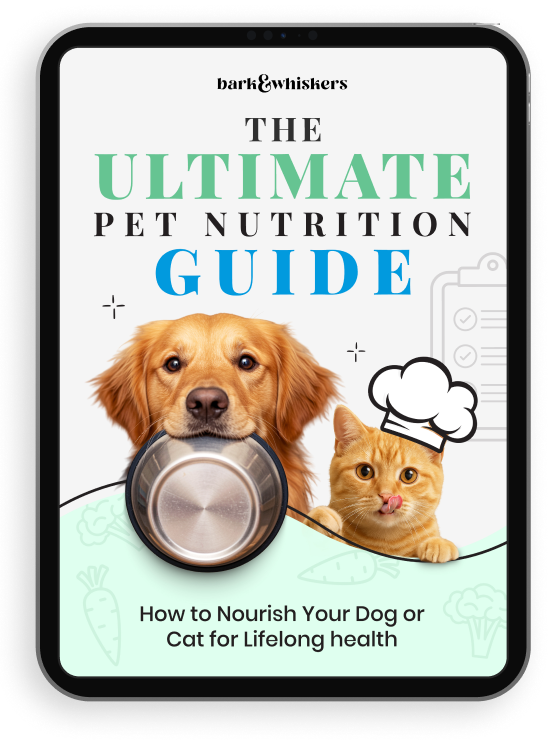
Better Health Begins in the Bowl
The Ultimate Pet Nutrition Guide was created to help dog and cat parents understand what truly supports lifelong health.
In this free guide, you’ll discover:
-

How your pet’s biology influences their nutritional needs
-
Why conventional feeding advice often falls short
-
Practical ways to choose better food for your dog or cat
View our Privacy Policy and Terms of Service.