This Simple Feeding Habit Helps Pets Stay Fit
Learn why this mealtime practice matters so much and how it can help your dog live better and longer. Start doing it today.
Reviewed by Dr. Arielle Walton

Join the Bark & Whiskers™ Family
Sign up today for our FREE newsletter, packed with expert advice and insider tips to keep your beloved pet in tip-top shape.
View our Privacy Policy and Terms of Service.

STORY AT-A-GLANCE
- Portion control is one of the easiest ways to prevent obesity and extend your dog’s life, helping reduce the risk of joint pain, diabetes, heart disease, and other chronic health issues
- Overfeeding, even by just a few ounces, can lead to serious problems, while a small decrease in daily calories can improve energy, mobility, and overall health
- Many pet owners mistakenly follow food bag guidelines or free-feed, but these one-size-fits-all approaches often result in excess weight gain
- Knowing your dog’s unique needs (based on their age, weight, activity level, and breed) is key to determining the right amount to feed and adjusting portions as they grow and change
- Simple tools like measuring cups, kitchen scales, and feeding schedules can make portion control effortless and help your dog live a longer, healthier life
When it comes to keeping your dog happy and healthy, there’s one surprisingly simple habit that can make a huge difference: portion control.
It might not sound exciting, but measuring how much food you give your dog and sticking to it can mean the difference between a short, sickly life and a long, energetic one. Just like in humans, extra weight in dogs can sneak up on you over time. And that extra weight? It puts your pup at serious risk for health problems that affect everything from joints to the heart.
Why Portion Control Matters
Over half of dogs in the U.S. and Australia are overweight or obese,1,2 that’s more than 1 in 2 dogs! Many loving pet parents don’t even realize their dogs are too heavy, because the extra pounds creep on slowly. But even a few extra pounds on a dog can do major damage.
Think about it like this: Imagine carrying a backpack that’s just a few pounds too heavy, every single day. Eventually, your knees ache, your back hurts, and your energy tanks. That’s how your dog feels with extra weight. In fact, studies show that overweight dogs can lose up to 2.5 years of their lives compared to dogs at a healthy weight.3 Obesity in dogs isn’t just about how they look. It’s linked to:4,5
- Arthritis and joint pain
- Diabetes
- Heart disease
- High blood pressure
- Breathing problems
- Kidney and liver issues
- Increased cancer risk
Most of these problems are expensive to treat and painful for your dog. But the good news is that preventing obesity is something you can control. And it all starts with feeding the right amount.
The Weight of a Few Extra Pounds
One of the biggest problems is that dog parents often don’t notice when their dog is getting too heavy. As veterinarian Dr. Ernie Ward explains, the impact of just a few extra pounds on a dog is much bigger than it is for people. An extra five pounds on a Labrador Retriever might not sound like a big deal, but it can lead to hip problems, high blood pressure, and even kidney damage.6
What’s more, even a 6% drop in weight can lead to major improvements in joint pain, energy, and mobility.7 That’s often just a few ounces of food per day; it shows that small changes make a big difference.
Feeding the Right Amount — More Than Just a Guess
You might think you’re feeding the right amount by following the bag’s instructions or using your regular scoop. But here’s the truth: Feeding guidelines on pet food bags are often way off. They’re broad estimates and don’t account for your dog’s unique needs. Things like breed, age, whether your dog is spayed or neutered, and activity level all affect how many calories your dog really needs.8,9
For example, if your dog has been spayed or neutered, they may need 20% to 30% fewer calories than a dog that hasn’t. So if you’re feeding based on the standard cup on the bag, you might already be overfeeding. That’s why it’s so important to measure meals carefully and know your dog’s ideal weight and body condition so you can adjust portions as needed.
The Dangers of Free Feeding
Many people keep their dog’s bowl full all day and let them eat whenever they want. It’s called free feeding, and it’s one of the fastest ways to create a weight problem.10
Dogs aren’t great at stopping when they’re full, especially if they’re bored, anxious, or just used to snacking. This feeding style removes any control over calorie intake. Instead, feeding your dog scheduled meals (two to three times a day) lets you track exactly how much they’re eating, and when.
Measuring Matters
Eyeballing portions is another easy mistake. Even a slightly heaped scoop can pack in dozens of extra calories. Here’s how to avoid overfeeding:
- Use a measuring cup or, better yet, a kitchen scale.
- Stick to the same portion sizes daily.
- Don’t guess — actually measure.
Portion control bowls or pre-measuring food into containers can also make mealtime even easier. You’ll know your dog is getting exactly what they need — and nothing extra.
Getting the Numbers Right
To figure out how much to feed your dog, you’ll need to consider a few key factors. Every dog is different — what works for one pup might not work for another. By understanding these variables, you can help your dog stay in great shape and avoid the health problems that come with overfeeding.
- Your dog’s age — Puppies and young dogs often need more calories because they’re still growing. Senior dogs may need fewer calories as their activity levels drop.
- Whether they’re spayed or neutered — This changes how your dog’s body uses energy. Spayed/neutered dogs usually need less food.
- Weight and body condition — Don’t just look at the number on the scale. A vet can check your dog’s Body Condition Score (BCS) — a 1 to 9 scale to see if they’re underweight, overweight, or just right. A score of 4 or 5 is ideal.
- Breed — Some breeds naturally carry more weight. Others are more active. Breeds like Labs, Pugs, Dachshunds, and Beagles are prone to obesity. On the flip side, high-energy breeds need more calories.
- Activity level — A dog that hikes with you on weekends will need more calories than one who prefers naps on the couch. But remember, even active dogs can gain weight if they’re eating too much.
- Treats and extras — Treats are fun, but they shouldn’t make up more than 10% of your dog’s daily calories. A few high-calorie snacks a day add up fast. Four treats at 25 calories each? That’s 100 extra calories! Try using low-calorie snacks like green beans or peas. Or even use a portion of your dog’s regular food as training rewards.
What About Pre-Portioned Food Plans?
Certain services offer customized, fresh-food plans, where meals are pre-measured based on your dog’s needs. These can be helpful if you want to take the guesswork out of feeding. These plans usually ask for your dog’s details, such as age, weight, breed, and more.
With that info, they calculate exactly how much food your dog needs and send it ready to serve. While these plans can be more expensive than kibble, they save time, reduce overfeeding, and often improve your dog’s health and coat condition.
The Long-Term Payoff
When you feed the right amount, you’re doing so much more than preventing weight gain. You’re giving your dog the best chance at a longer, healthier, happier life. Benefits of proper portion control are listed below, making it one of the simplest habits with the biggest rewards, such as:
- Better energy and mood
- Healthier joints
- Lower risk of chronic disease
- Fewer vet visits
- Longer lifespan
- Improved digestion and gut health
- Stronger immune system
- Lower food bills over time
If you’re unsure how much to feed your dog or you suspect they might be overweight, seek guidance from your vet. Not only will they help you determine your dog’s ideal weight, but they will also recommend calorie needs and adjust the feeding plan over time. Your vet may also recommend switching to a different type of food with fewer calories or more nutrients, depending on your dog’s condition.
A Simple Habit, a Big Gift
You love your dog like family. And just like family, they rely on you to make healthy choices on their behalf. Portion control is a simple, powerful way to care for your dog every day.
It’s not about strict dieting. It’s about finding that perfect balance where your dog feels full, satisfied, and energized, without carrying extra weight. When you feed with intention, you’re not just filling a bowl; you’re filling your dog’s life with better health, more adventures, and more tail wags.
So start small. Measure your dog’s next meal. Keep an eye on their weight. And know that this one easy habit could be the most important step you take for your dog’s lifelong wellness.
Sources and References

Better Health Begins in the Bowl
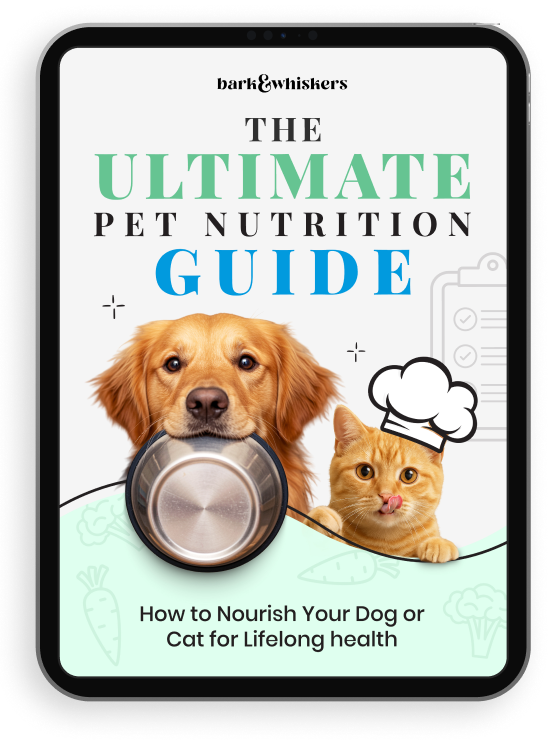
Better Health Begins in the Bowl
The Ultimate Pet Nutrition Guide was created to help dog and cat parents understand what truly supports lifelong health.
In this free guide, you’ll discover:
-

How your pet’s biology influences their nutritional needs
-
Why conventional feeding advice often falls short
-
Practical ways to choose better food for your dog or cat
View our Privacy Policy and Terms of Service.