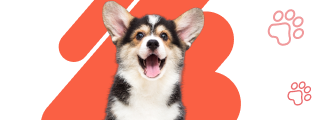
When Your Dog Turns Dinner Into a Beg-A-Thon
Understand why dogs beg, what keeps the habit going, and how you can gently and effectively turn the tide toward a quieter, more enjoyable dining experience for both of you.
Reviewed by Dr. Elizabeth Hardoon

Join the Bark & Whiskers™ Family
Sign up today for our FREE newsletter, packed with expert advice and insider tips to keep your beloved pet in tip-top shape.
View our Privacy Policy and Terms of Service.
STORY AT-A-GLANCE
- Dogs beg not because they’re hungry, but because of survival instincts and habits developed over time
- Giving food from the table teaches dogs that begging works, reinforcing the behavior
- Simple strategies like feeding your dog first, creating a dinnertime zone, and using puzzle toys can help curb begging
- Begging can lead to health risks such as obesity, digestive issues, and accidental poisoning from unsafe human foods
- Sharing food is possible when done with structure — after meals, with dog-safe items, and only as a reward for calm behavior
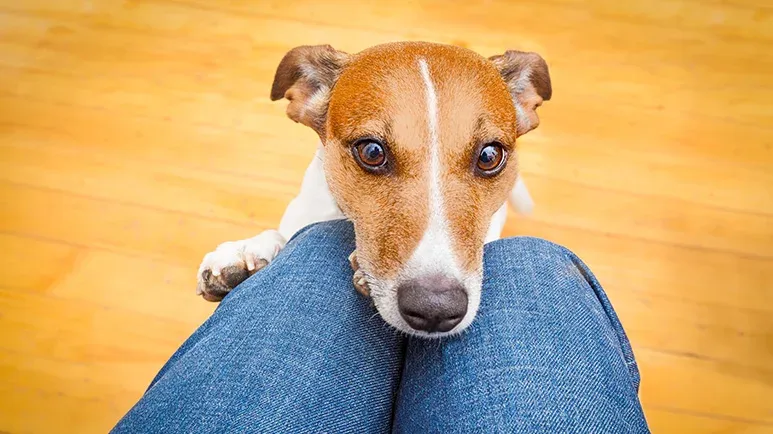
You’ve just sat down to enjoy a quiet dinner, and there it is again — that familiar sound. A soft whine, the jingle of dog tags, a head or paw on your lap and those big, round, pleading eyes staring up at you like you're the gatekeeper to happiness. Welcome to the nightly "Beg-A-Thon."
If your dog has turned mealtime into a dramatic performance complete with whimpers, stares, and a hopeful tail wag, you're far from alone. In fact, begging is one of the most common behaviors that dog parents face. But just because it’s common doesn’t mean you have to live with it forever.
Why Dogs Beg: More Than Just a Love for Snacks
At first glance, it might seem like your dog begs because your dinner smells too good to resist. And to be fair, that roast chicken probably does smell amazing to your pup. But the real reasons go much deeper than cravings.
Dogs are natural scavengers. Long before they became our couch-loving companions, their ancestors had to survive by finding food wherever and whenever they could. That meant eating anything remotely edible, and never turning down a chance at a snack — even if they weren’t hungry.1,2
This survival instinct is still alive and well in your domesticated dog. Even if you just fed them a full dinner, their built-in drive to “eat now, just in case” kicks in the moment they smell food.
They Know How to Work the Room
Over thousands of years living alongside humans, dogs have become masters of communication. They’ve learned how to read our body language and use their own in ways that tug at our heartstrings.
A sad whimper, a nudge on your hand, or a quiet stare? That’s not just cute — it’s canine psychology at work. Your dog isn’t just asking for food — they’re telling a story.3
Whining is one of your dog’s built-in vocal tools. Wolves, your dog’s wild cousins, use whining to show submission, frustration, or the need for attention. Puppies whine to get care from their moms. So when your dog lets out a quiet whimper, they’re simply trying to “talk” to you in a way that has worked for generations.
When Good Dogs Beg After Dinner
If your dog begs even after eating, don’t assume something is wrong. They’re likely not hungry or starving. Instead, it’s a mix of instinct, habit, and impulse.
Dogs don’t have an “off switch” when it comes to eating. Their inner scavenger tells them, “What if this is the last food we ever see?” That impulse can override logic — even if their stomach is already full.4,5
Why Giving in Makes Things Worse
You may think giving your dog just one little bite off your plate is harmless. But here’s the truth: when you give in to begging, you're teaching your dog that it works. One nibble today equals more whimpers, stares, and drool tomorrow.
Worse, you’re reinforcing the exact behavior you’re trying to stop — and it becomes a cycle. Dogs are smart — if whining or pawing leads to tasty rewards, why wouldn’t they keep doing it?
This habit can also put your dog’s health at risk. Many human foods are dangerous to dogs — grapes, onions, chocolate, or foods high in fat could make them sick. Even "safe" foods, when fed too often, can lead to obesity, digestive problems, or picky eating habits.6
The Real-World Risks of a Begging Dog
Let’s face it — begging isn’t just a cute quirk. It can cause real issues for your pet. These include:7
- Weight gain — All those extra calories add up. Especially in smaller pets.
- Tummy trouble — Some human foods can cause vomiting, diarrhea, or even more serious issues such as pancreatitis or poisoning.
- Dangerous habits — Begging often leads to counter-surfing, trash-can raids, and food theft.
- Dinner disruptions — A whining, pawing dog can turn peaceful mealtime into a noisy distraction.
- Safety hazards — Small dogs underfoot can trip you while cooking, causing injury to you and to them, especially if you're handling hot or sharp items.
How to Stop the Beg-A-Thon: Step-by-Step Solutions
You can absolutely retrain your dog to stop begging. But it takes consistency, patience, and a clear plan.8,9,10
- Don’t give in, ever — If you want the behavior to stop, you need to stop feeding the behavior, literally. Even giving in once teaches your dog to keep trying. If your dog knows they might get lucky, they’ll beg harder and longer. So if you're serious about ending the habit, commit 100%. Make sure everyone in the family is on board. No snacks from the table. No crumbs from your plate. No exceptions.
- Feed your dog first — A simple trick is to feed your dog right before your own meals. This satisfies their hunger and reduces the urgency behind begging. Full bellies lead to calmer dogs; but may not completely stop begging.
- Create a cozy spot — Instead of letting your dog hang around the table, set up a comfortable space nearby. This could be a blanket, a bed, or a crate. Use treats or a chew toy to encourage them to “settle” and lie there during your meals. Over time, this space becomes their “dinner time zone,” and mealtimes will become more calm and relaxed for everyone.
- Teach the “settle” command — Train your dog to go to their spot and stay there until you release them. Start with rewarding them for short durations, then gradually extend this over time. Reward them only when they stay quietly in place in their spot. This builds impulse control — a crucial skill that carries over into many other parts of your dog’s life.
- Use food-dispensing toys — While you're eating, give your dog a puzzle toy filled with their food, treats, e, peanut butter, plain yogurt or mashed banana. You can even freeze the food inside the toy to make it last longer. These food filled toys keep your pet mentally stimulated and physically busy, which distracts them from your meal. Plus, this gives the human in the house (you!) an outlet to "share" food without ruining training progress.
- Be ready for a begging backlash — When you stop responding to begging, your dog may try harder at first — whining louder, pawing more, or barking. This is called an "extinction burst" and it's normal as your dog resists the change in your behavior. Stay strong and don’t give in. This phase will pass and once your dog realizes the old tricks no longer work, they’ll give up.
- Keep everyone in sync — One person caving in can undo weeks of training. Make sure every family member, friend, and guest knows the rules: No feeding from the table. Set clear expectations and stick to them as a team.
Bonus Tips: Preventing Begging from the Start
If you’re raising a puppy or have just adopted a new dog, the best time to prevent begging is now. Keep these pointers in mind:
- Don’t feed your dog while you eat.
- Avoid snacks on the couch or at the counter with your dog nearby.
- Give your dog a safe place to rest while you eat and reward them for staying in their place.
- Positively respond to calm behavior from the start.
By never allowing bad habits to take hold, you will save yourself a lot of work down the line.
Sharing Food the Right Way (Yes, It’s Possible!)
You don’t have to give up the joy of sharing a bite with your dog. You just have to be smart about how and when you do it. Here’s what to do:11
- Share only dog-safe foods.
- Only share after your meal is done.
- Use calm moments as a chance to reward quiet behavior.
- Keep shared portions tiny — treats should never be more than 10% of your dog’s daily calories.
This teaches your dog that polite behavior pays off — and begging doesn’t.
What Not to Do: Avoid These Common Mistakes
While it’s tempting to react in the moment, how you handle begging can either help or hurt your training efforts. Avoiding these common missteps will keep your dog’s progress on track.12
- Don’t yell or scold your dog for begging — It adds drama and attention, which can make the habit worse.
- Don’t push them away or get physical — It damages trust and doesn’t fix the behavior.
- Don’t mix signals — If you feed from the table one day and ignore them the next, you’ll only confuse your pup.
Patience Is Key
Breaking a begging habit doesn’t happen overnight. You may see progress in a few days, or it might take weeks. Every dog learns at their own pace.
The key is to stay patient, be consistent, and celebrate small wins. Reward your dog for quiet behavior. Praise them when they settle in their spot. And most importantly, enjoy the journey of teaching your dog a new way to be part of your family meals — without begging.
Your Next Steps: Calm, Quiet Dinners Ahead
Your dog isn’t trying to be rude. They’re simply following instincts that have been around for thousands of years. But with the right approach, you can gently teach them that mealtimes don’t include whining, pawing, or pleading eyes.
And the best part? When your dog learns that quiet, calm behavior is the real ticket to getting your attention (and maybe a treat later), everyone wins. So tonight, when those puppy eyes appear, you’ll be ready, and eventually your dog’s Beg-A-Thon will become a thing of the past.
One last tip: After your meal, if your dog behaved and didn’t beg, celebrate! A walk, a belly rub, or a healthy treat sends a powerful message: “This is the kind of behavior I love.” Because when you work together with your dog to change habits, every meal becomes a chance to grow closer — and enjoy a peaceful dinner, bite by bite.
Sources and References

Better Health Begins in the Bowl
Better Health Begins in the Bowl
The Ultimate Pet Nutrition Guide was created to help dog and cat parents understand what truly supports lifelong health.
In this free guide, you’ll discover:
-

How your pet’s biology influences their nutritional needs
-
Why conventional feeding advice often falls short
-
Practical ways to choose better food for your dog or cat
View our Privacy Policy and Terms of Service.