The Natural Remedy Dogs Instinctively Seek
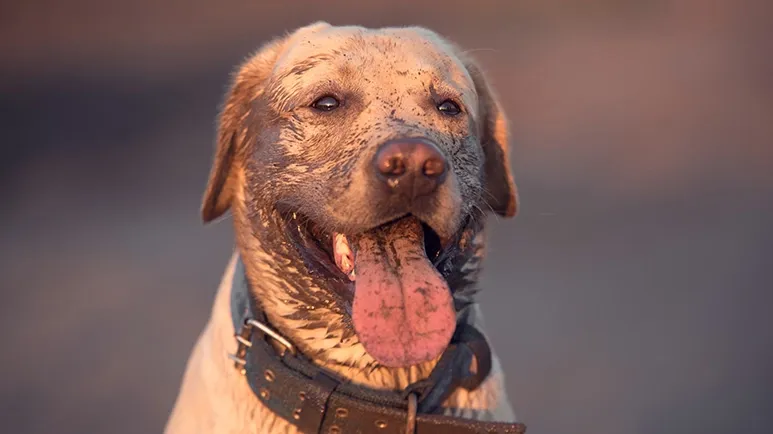
Your dog loves to roll in dirt during outdoor play time, but have you ever wondered why? As it turns out, it has natural healing properties that can support their wellness.
Reviewed by Dr. Tracy Duffner


Join the Bark & Whiskers™ Family
Sign up today for our FREE newsletter, packed with expert advice and insider tips to keep your beloved pet in tip-top shape.
View our Privacy Policy and Terms of Service.


STORY AT-A-GLANCE
- Dogs instinctively turn to soil and clay when something feels wrong. This is an instinctual behavior, and history shows that healing clay has supported skin health, digestion, and natural detoxification processes
- Healing clay is a mineral-rich substance formed over thousands of years that works like a sponge, binding toxins, bacteria, gas, and irritants, then helping the body remove them naturally
- Different clays serve different purposes. For example, Bentonite is good for digestion and skin, French green clay is helpful for detoxification and inflammation, Illite (a component of many green clays) for cleansing, and Redmond clay for wounds, joints, and swelling
- Healing clay may support skin healing, digestive upset, detoxification, joint comfort, and mild parasite support, but it works best for short-term uses and should never replace proper veterinary care
- Safe use matters. Always choose food-grade clay, avoid metal utensils, administer separately from medications and meals, provide fresh water, and avoid use in dogs with kidney disease or chronic conditions. Most importantly, only use under veterinary guidance
If your dog loves rolling in the dirt or mud, you may have wondered if there is more going on than just having fun. In reality, many animals instinctively turn to the earth when something feels off.
For centuries, both people and animals have used natural clays to soothe skin, calm digestion, and help the body deal with unwanted substances. Nowadays, it is still being practiced.1 In fact, healing clay is getting renewed attention as a gentle, natural support for dogs. But what is healing clay, how does it work, and when should you use it or avoid it for your pet?
What Is Healing Clay?
Healing clay is a natural, mineral-rich substance formed over thousands of years as volcanic ash, plant matter, and minerals settle and compress. It is dug from the earth, cleaned, and ground into fine powders.
What makes healing clay special is its ability to bind to substances you do not want in your dog’s body, such as toxins, bacteria, gas, and other irritants. Think of it like a sponge — it attracts unwanted substances, holds onto them, and helps carry them out of the body naturally.2,3
Dogs and other animals have used clay instinctively for thousands of years. In the wild, animals will eat soil or clay when they feel sick or injured. This behavior is not random. Nature has built it into their genes as a first aid mechanism.
How Healing Clay Works
Healing clay works in two main ways:4,5 It absorbs and soaks up toxins, harmful bacteria, parasites, and gases, like a paper towel soaking up a spill. Then, it adsorbs, meaning it binds and carries them out, helping these substances leave the body either through normal digestion if given orally or through rinsing off the body if used externally.
Healing clay is often used for digestive conditions such as an upset stomach, diarrhea, or vomiting. It can also be used externally, mainly for skin wounds and hot spots. If your pet was bitten by an insect, healing clay can also be used in this regard. The bonus here is that topical application can also provide minor relief from joint or muscle soreness.
Now, what are the common types of healing clay for dogs? Currently, there are four in use, and all of them have different strengths and uses. These are outlined below:6,7
- Bentonite clay — This is one of the most well-known healing clays. It has a strong ability to bind toxins and is often used both internally and externally. Pet parents often use it to:
- Ease digestive upset
- Reduce gas and bloating
- Support detoxification after spoiled food
- Calm irritated skin
- Montmorillonite — This is sometimes called French green clay. It gets its color from minerals and ancient plant material. Montmorillonite is known for:
- Providing strong detoxification support
- Helping calm inflammation
- Supporting joint and muscle comfort
- Gentle internal use when properly prepared
- Illite clay — It has very fine particles and a strong ability to attract unwanted substances. It is often used for detoxification purposes and is rich in natural minerals. It is commonly used for:
- Digestive cleansing; due to its small particle size, it is considered “gentler” than Bentonite for sensitive patients
- Supporting the body’s natural defense systems
- Short-term detoxification support
- Redmond clay — This can be used internally or externally and is especially popular for:
- Drawing out infections from wounds
- Soothing insect bites
- Joint and muscle comfort
- Minor swelling or inflammation
Top Benefits of Healing Clay for Dogs
Now that you know the different types of healing clays available, it is time for an in-depth look at their benefits:8,9,10
- Skin healing and wound care — One of the most popular uses of healing clay is for skin problems. When applied as a paste or poultice, clay can:
- Draw out bacteria and debris from wounds
- Help dry oozing or moist hot spots
- Calm itching and redness
- Support faster healing of minor cuts and bites
Many pet parents notice that clay helps wounds stay cleaner and less irritated, especially when used early.
- Digestive support — Healing clay is often used for short-term digestive upset. It may help:
- Firm loose stools
- Calm mild diarrhea
- Reduce gas and bloating
- Soothe an irritated stomach lining
Because clay binds to unwanted substances, it is sometimes used after dogs eat something questionable, like spoiled food or garbage.
- Detoxification support — Every day, your dog is exposed to toxins their body does not need — chemicals in the environment, additives in food, or residues from medications. Thus, it can help by:
- Binding toxins in the digestive tract
- Supporting natural elimination
- Reducing the overall toxin load on the body
- Joint and muscle comfort — When used externally, healing clay can help soothe sore joints and muscles. Warm or cool clay compresses are sometimes used for:
- Stiffness in older dogs
- Muscle soreness after activity
- Mild swelling or inflammation
- Natural parasite support — Some holistic approaches use healing clay as part of a broader parasite support plan. Clay may help bind waste products from parasites and support gut health.
However, clay does not replace veterinary parasite treatments when they are needed. Always talk to your veterinarian if parasites are suspected.
How to Use Healing Clay on Your Dog
As mentioned earlier, healing clay has many potential uses. But how do you safely apply it to your dog? You can create a basic paste for hot spots, insect bites, and minor cuts using the following instructions:11,12,13
- Use a glass or wooden bowl. Do not use metal bowls as it will negate the benefits of the clay.14
- Mix clay powder with clean water until it forms a thick paste.
- Apply directly to the affected area.
- Let it dry.
- Rinse gently or allow it to fall away naturally.
As mentioned earlier, healing clay can also provide relief for sore joints or muscles. To do this, mold the clay into a compress and warm it up — but it can also be cool, depending on your dog’s comfort. Before you apply the clay compress to your dog (be it cold or hot), test it by putting it on your wrist.
For internal use, clay can be administered in food or in water as a slurry. Standard dosing is 1/4 teaspoon of clay per 20 pounds of body weight in dogs. To create a slurry, blend the clay with water in a 1:8 ratio meaning 1 teaspoon Bentonite, Illite, or Montmorillonite clay with 8 teaspoons of cool spring or purified water. If your pet weighs 20 pounds, you would blend 1/4 teaspoons of clay with 2 teaspoons water. If your pet weighs 40 pounds, it would be 1/2 teaspoon of clay with 4 teaspoons water. Administer it to your pet using a 1-ounce (30 mL) needle-less syringe or mixed in food.
When creating healing clay for internal use, use food-grade clay only, and prepare it without using metal utensils. Administer it to your pet in the morning, preferably two hours before feeding your pet breakfast. If they are taking any medications, give the clay at least two hours apart from those medications so as to not interfere with their absorption. Provide plenty of fresh water. Finally, and most importantly, giving clay internally can result in a quick detoxification which can present as diarrhea or constipation; always consult your veterinarian before administering clay internally.
When NOT to Use Healing Clay
Healing clay is gentle, but it is not right for every dog. Avoid or use caution if your pet has chronic kidney disease, is currently taking long-term medications, or is constipated.15
Remember, healing clay is best used for short periods. Because it binds substances in the gut, long-term use may interfere with nutrient absorption or mineral balance. Think of healing clay as a natural first-aid tool, and not a daily supplement.16,17
Finally, as with all other products you buy for your pet, choosing the right healing clay is important. Look for food-grade varieties, especially if you are going to administer it internally. Clear information on where the clay is sourced is also important, so you can be sure that the actual product is clean and comes from a sustainable source. The clay should also come in a fine powder texture, as well as no added fragrances or chemicals.
Sources and References
- 1,2,4,6,9,12,17 Dogs Naturally Magazine, How to Use Healing Clay for Dogs
- 3,5,7,10,13 Farm Dog Naturals, March 1, 2022
- 8,11,15,16 Canine Nutritionist, Green Clay for Dogs
- 14 Clayer World, November 16, 2025

Better Health Begins in the Bowl

Better Health Begins in the Bowl
The Ultimate Pet Nutrition Guide was created to help dog and cat parents understand what truly supports lifelong health.
In this free guide, you’ll discover:
-

How your pet’s biology influences their nutritional needs
-
Why conventional feeding advice often falls short
-
Practical ways to choose better food for your dog or cat
View our Privacy Policy and Terms of Service.