Your Pet's Worst Mistake Might Be in Your Cabinet
The pills and capsules that help you could harm your pet. Learn which common medications can turn deadly.
Reviewed by Dr. Tracy Duffner

Join the Bark & Whiskers™ Family
Sign up today for our FREE newsletter, packed with expert advice and insider tips to keep your beloved pet in tip-top shape.
View our Privacy Policy and Terms of Service.


STORY AT-A-GLANCE
- Many common human medications, including pain relievers, antidepressants, and cold medicines, can be toxic or even fatal to pets, even in tiny doses
- Pets process drugs differently than people do; their organs and enzymes cannot safely break down many of the substances we use every day
- Acetaminophen (Tylenol), ibuprofen (Advil), and pseudoephedrine (Sudafed and other “non-drowsy” cold medications) are among the most dangerous for cats and dogs
- Hormone creams, vitamins, and even “natural” supplements can also harm pets if licked, chewed, or absorbed through the skin
- The safest rule: Never give your pet any medication unless it is prescribed by your veterinarian and store all human drugs securely out of reach
When your pet looks at you with pleading eyes, it is almost impossible to resist helping, especially when they are in pain. You might think, “If this pill works for me, maybe it can help my dog too.” Or maybe you reach for a decongestant when your cat sneezes or use a bit of your own ointment on your dog’s rash.
It seems harmless enough. After all, you are just trying to make your furry friend feel better. But here is the truth: what is safe for you could be deadly for them.
According to veterinary experts, some of the most dangerous toxins in pets’ lives are not household cleaners or rodent poisons — they are common human medications sitting in bathroom cabinets, kitchen drawers, and purses.1,2
Why Human Medications Do Not Belong in Pet Bowls
At first glance, humans and pets may seem similar. We all get headaches, pains, and allergies, and our doctors often prescribe medications that look just like what veterinarians use. But inside, we are very different.
Dr. Lauralei Fisher-Cronkhite, a veterinary pharmacist at the University of Illinois, explains that humans and animals process drugs in completely unique ways. “Each species has its own physiology that affects how drugs are processed and used by the body,” she says.3
For example, a dog’s digestive system moves some medications through faster than ours, meaning they might not absorb enough — or they could absorb it too quickly. Cats can be even more sensitive than dogs. They lack certain liver enzymes entirely, making it impossible for them to break down many drugs safely.4
So while your headache pill might ease your pain, it could cause stomach ulcers, seizures, liver failure, or even death in your pet.
Even Safe Drugs Can Be Deadly in the Wrong Species
Take acetaminophen, the active ingredient in Tylenol. For people, it is a gentle, go-to pain reliever. For cats, it is lethal due to differences in processing of the drug through the liver. Just one pill can destroy their red blood cells and prevent oxygen from reaching vital organs.5,6,7,8
In dogs, high doses of acetaminophen can cause ulcers, severe stomach upset, and liver failure.
This is why veterinarians insist: never give your pet any human medication unless it is prescribed specifically for them by a professional who has calculated the proper dose based on their weight, species, and health condition.
9 Human Medications That Could Harm Your Pet
You may be surprised to learn that some of the most common over-the-counter and prescription drugs can be toxic to pets — even in tiny amounts. Let’s look at the usual suspects hiding in your home.9,10,11
- Nonsteroidal anti-inflammatory drugs (NSAIDs) like Ibuprofen and Naproxen — For humans, ibuprofen and naproxen (sold under names like Advil and Aleve) are standard tools for fighting pain and inflammation. But for pets, even one or two tablets can be life threatening. These drugs can cause severe internal bleeding, stomach ulcers, and kidney damage.12
Ibuprofen and Naproxen can damage the protective lining of the stomach and intestines, sometimes causing perforations. They can also disrupt kidney function, leading to dehydration and eventual kidney failure.
If you ever suspect your pet has swallowed one of these medications, it is a medical emergency — do not wait for symptoms to appear. - Acetaminophen (Tylenol) — As mentioned earlier, acetaminophen is particularly dangerous for cats. They lack the enzyme needed to break it down, so instead their bodies produce toxic byproducts that destroy red blood cells and damage the liver.
Dogs may also suffer from liver damage and stomach irritation in high doses or with prolonged use. Early symptoms include lethargy, vomiting, dark or bloody stools, and difficulty breathing. - Decongestants and allergy medications — Cough and cold medications marketed as “non-drowsy” often contain pseudoephedrine or phenylephrine — both of which can cause dangerous spikes in heart rate and blood pressure in pets. Just one small tablet can cause tremors, vomiting, seizures, or even death in cats and small dogs.
- Sleep aids and antianxiety drugs — Medications like Xanax and Ambien might help you unwind, but they do not work the same way in animals. Dogs can have paradoxical reactions, becoming hyper, agitated, or aggressive instead of calm. Cats can suffer liver failure or severe lethargy.
Even if your veterinarian sometimes prescribes these drugs in special circumstances, the dosage needs to be exact. A single human pill can be far too much for your pet’s smaller system. - Antidepressants and ADHD medications — Drugs like Prozac, Cymbalta, and Adderall are designed to affect brain chemistry in very specific ways. In pets, however, they can cause severe agitation, tremors, seizures, or even cardiac collapse when dosed incorrectly. In some circumstances, these medications may be prescribed to your pet for behavioral issues; they need to be used only as instructed and prescribed by a veterinarian.
Cats are especially vulnerable; a single antidepressant pill may be enough to cause life-threatening toxicity.13 - Vitamins and supplements — Many people assume vitamins are harmless, but certain ingredients are highly toxic to pets. Xylitol (a common sugar substitute) can cause rapid insulin release in dogs, leading to dangerously low blood sugar and liver failure. Too much vitamin D3 can trigger calcium buildup in organs, damaging the kidneys and heart.
Even natural supplements, herbal blends, and protein powders can pose hidden risks if they contain caffeine, iron, or essential oils that are unsafe for pets. - Hormonal creams (estrogen or steroid creams) — Here is one most people miss: your topical creams. Pets can absorb hormones or steroids just by licking your skin or cuddling soon after you apply them.
Repeated exposure can cause major hormone imbalances, bone marrow suppression, and even Cushing’s disease, which leads to hair loss, weight gain, and excessive thirst or urination.14 - Heart medications — Beta-blockers can be extremely dangerous in pets. They can slow a pet’s heart rate so much that it causes fainting, shock, or death. Even if your dog has heart issues, never assume your own medication is interchangeable with what your veterinarian prescribes.
- Cancer creams — Fluorouracil, a topical drug used to treat human skin cancers, is one of the most lethal substances to dogs. Even licking a trace amount from your skin or trash can cause severe vomiting, seizures, and death.15
How a Simple Mistake Can Turn Serious Fast
It does not take much for an accident to happen. Pets are curious by nature — cats jump onto counters, dogs sniff through purses or trash, and both can easily find an open pill bottle.
Sometimes, owners accidentally drop a pill and do not realize their pet snatched it up. In other cases, well-meaning owners intentionally give a small piece of medication to “see if it helps.” Unfortunately, even tiny doses can trigger dangerous side effects. Symptoms of medication poisoning vary depending on the drug, but common signs include:
- Vomiting or diarrhea, tarry stools, and/or bloody stools
- Tremors or seizures
- Lethargy or hyperactivity
- Pale or blue gums
- Rapid heart rate or panting
- Jaundice (yellowing of the eyes or gums)
- Collapse or coma
What to Do if Your Pet Ingests Human Medication
If you see any of the signs listed above, or even suspect your pet has swallowed medication, do not wait. Immediate action can save their life.
- Act quickly — Bring your pet to a veterinary clinic or emergency hospital right away. The faster you respond, the better your pet’s chances of recovery.
- Bring the medication package — Always tell your veterinarian what your pet ingested, how much, and when. Bring the pill bottle or packaging if possible. This information helps your veterinarian determine whether to induce vomiting, administer activated charcoal, or begin other lifesaving treatments.
- Call for expert help — You can also contact the American Society for the Prevention of Cruelty to Animals (ASPCA) Animal Poison Control Center at (888) 426-4435. They can guide you through the next steps while you head to the clinic.
- Do not try home remedies — Do not try to make your pet vomit unless instructed by a professional. Some substances can cause more damage on the way up.
Why ‘Natural’ Doesn’t Always Mean Safe
A growing number of pet owners turn to natural or holistic remedies, assuming they are safer than pharmaceuticals. But “natural” does not always mean harmless. Everything has a toxic dose, and not every natural remedy is suitable for every species.
Many human herbal supplements, like tea tree oil or essential oil blends, can be toxic to pets. Cats, in particular, have unique livers that cannot process plant-based compounds effectively.
Even diffusing certain essential oils around cats can lead to respiratory distress, vomiting, ataxia, or liver failure, depending on the type of essential oil. This occurs when oil microdroplets accumulate on your pet’s fur and are absorbed through the respiratory tract, mucous membranes, skin or ingested while grooming.
If you want to explore natural options, particularly essential oils, always discuss them with a veterinarian who understands both conventional and alternative treatments.
Safe Storage — The First Line of Defense
The easiest way to protect your pet is by preventing access in the first place. Here is how to pet-proof your medicine cabinet and daily routine:
- Use secure containers — Keep medications in child-proof bottles and store them high up or locked away.
- Clean up spills immediately — Even a dropped pill can be enough to poison a small animal.
- Dispose of expired or empty bottles — Pets can chew on bottles that smell like medication, even if they’re technically “empty.”
- Avoid treating pets on your own — Always call your veterinarian first before giving any medication, even if it is labeled “safe” for pets.
- Be careful with creams and patches — Let topical medications dry completely before snuggling or playing with your pet.
A little prevention can spare your pet (and your wallet) from a costly emergency.
Inside the Veterinary Pharmacy — How Experts Keep Pets Safe
At large veterinary hospitals, specialists known as veterinary pharmacists work alongside veterinarians to manage medications safely and effectively. They help ensure that every prescription matches the animal’s needs, from dosage and frequency to flavoring (because let’s face it, not every cat likes a pill).
These professionals also keep track of drug shortages, compounding rules, and FDA regulations to make sure your pet gets a medication that is approved and appropriate.16
Dr. Fisher-Cronkhite reminds owners that while some drugs overlap between human and animal medicine, many do not. And even for those that do, small differences in dose or absorption can make all the difference between healing and harm.
Your Best Defense — Knowledge and Caution
Caring for your pet means thinking twice before you act. If your dog limps or your cat sneezes, the best thing you can do is call your veterinarian. They will help determine whether medication is needed, and if so, which one — and how much.
If your veterinarian ever prescribes a drug you recognize as “human,” don’t panic. Ask questions instead:
- How is this medication different from the human version?
- Why was this medication selected and is there a pet-specific alternative option?
- What is the correct dosage and schedule?
- What side effects should I watch for?
Your veterinarian is your partner in protecting your pet’s health. Trust their expertise, and never assume that what is good for your own health is good for your pet.
What Is in Your Cabinet Could Be a Killer
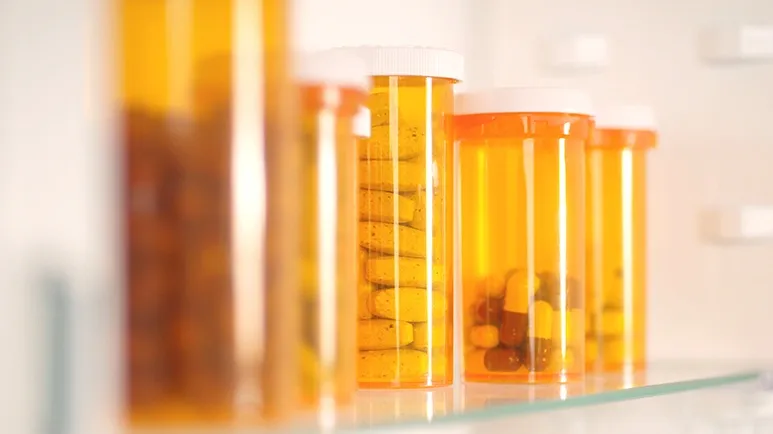
Your medicine cabinet holds helpful tools for human health, but potential poisons for pets. Ibuprofen, acetaminophen, hormone creams, and even vitamins can all cause serious harm if ingested by dogs or cats.
Remember: your pet’s body is not a smaller version of yours. Their organs, enzymes, and metabolism work in entirely different ways. What heals you can hurt them.
So the next time you are tempted to reach for your bottle of painkillers when your dog’s limping, stop. Call your veterinarian. Because the most loving thing you can do for your pet is not sharing your medicine; it is protecting them from it.
Sources and References
- 1,5,10 Coventry Animal Hospital, August 29, 2025
- 2,9 Willow Glen Pet Hospital, Human vs Pet Medications: Why You Should Never Share Medicine with Your Pets
- 3,4,6,11,16 University of Illinois College of Veterinary Medicine, September 19, 2025
- 7 Purdue University, Tylenol (Acetaminophen) Toxicosis in Cats
- 8,12 Merck Veterinary Manual, Toxicoses from Human Analgesics in Animals
- 13 Oregon Veterinary Medical Association, Human Medication Hazards for Pets
- 14 ASPCApro, Topical Creams and Pets: A Dangerous Combination
- 15 FDA, November 22, 2024

Better Health Begins in the Bowl
Better Health Begins in the Bowl
The Ultimate Pet Nutrition Guide was created to help dog and cat parents understand what truly supports lifelong health.
In this free guide, you’ll discover:
-

How your pet’s biology influences their nutritional needs
-
Why conventional feeding advice often falls short
-
Practical ways to choose better food for your dog or cat
View our Privacy Policy and Terms of Service.