The Toy That Can Secretly Stress Out Your Pet
We all want the best for our dogs. We give them treats, comfy beds, belly rubs, and fun toys. But what if one of those toys is secretly harming your canine friend's mental health?
Reviewed by Dr. Arielle Walton




Join the Bark & Whiskers™ Family
Sign up today for our FREE newsletter, packed with expert advice and insider tips to keep your beloved pet in tip-top shape.
View our Privacy Policy and Terms of Service.


STORY AT-A-GLANCE
- Laser pointers, though popular, can lead to serious behavioral issues in dogs known as Laser Pointer Syndrome (LPS), causing anxiety, obsession, and compulsive behaviors
- Dogs need closure when they chase, but laser dots offer no reward; this broken prey cycle can trigger ongoing stress and mental health problems
- High-energy and working breeds like Border Collies, Terriers, and Retrievers are especially vulnerable due to their intense drive and focus
- Early warning signs include chasing shadows, staring at reflections, spinning in circles, or skipping meals to fixate on light
- Safer alternatives like fetch, scent work, and flirt poles provide real rewards, helping dogs stay mentally healthy and satisfied
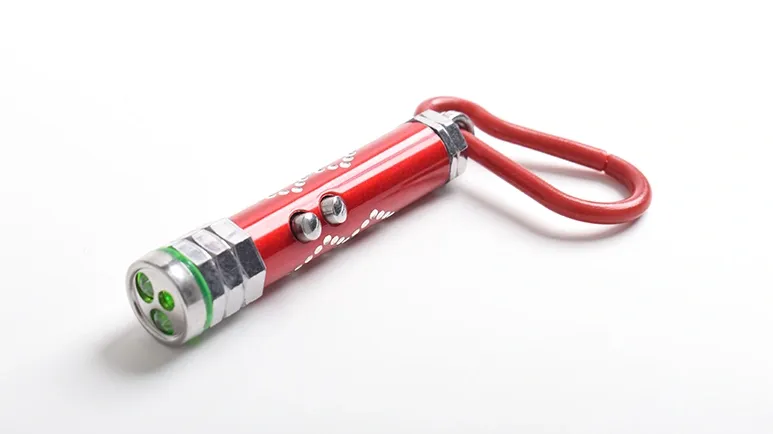
You often see laser pointers as a fun, harmless way to play with pets, especially on rainy days or when you're short on time. You sit back, wiggle the red dot, and watch your dog bounce around the room in hot pursuit. It seems like a great way to burn off energy.
But here's the hidden danger: That bouncing red dot may be doing more harm than good. What starts as a playful chase can sometimes turn into a serious behavioral issue called Laser Pointer Syndrome (LPS). It's a condition that can leave your dog anxious, obsessed, and even depressed. If your pup has ever stared at shadows for hours or spun in circles trying to catch sunlight, the laser pointer may be to blame.
Let’s explore why this happens, how to spot the signs, and what you can do to keep your furry friend happy, healthy, and stress-free.
What Is Laser Pointer Syndrome?
Laser Pointer Syndrome (LPS) is an obsessive-compulsive disorder-like condition that can develop in dogs who regularly play with laser pointers. It happens when a dog becomes fixated on chasing lights, shadows, or reflections, behaviors that mimic the never-ending pursuit of that tiny red dot.
The problem? Unlike physical toys, the laser dot never gives your pet anything to catch. There’s no satisfying “gotcha” moment. Over time, this frustration can build up and lead to mental and emotional issues.
Dogs are hunters by nature. When they chase something, their brain expects a complete cycle: chase, catch, and reward. Laser pointers break that cycle. Your pet only chases. Your pet never receives a reward. This pattern causes stress, confusion, and sometimes long-term psychological damage.
According to experts, the damage may not be instant, but it’s real. Many dogs who develop LPS show the same patterns: a history of laser pointer play followed by growing obsession with lights and shadows.1,2
Why Dogs Are Especially at Risk
You might wonder: “Why do cats seem fine playing with laser pointers but not dogs?” Great question.
Cats and dogs may both enjoy the chase, but they experience it differently. Cats are more independent and tend to stop the game once they lose interest. For them, the laser game is often just a warm-up for a nap or snack. (However, take note that there are still some caveats with laser play in cats.)
Dogs, however, are different. They are goal-driven and deeply wired to complete tasks. Once their prey drive kicks in, they become entirely focused on the mission, catching the dot. But with no reward at the end, dogs don’t get closure. This pattern can leave them frustrated and confused.
High-energy breeds like Border Collies, Terriers, Retrievers, and Dobermans are especially at risk. These dogs were bred to work and often have intense focus. When a moving light triggers their brain but is never allowed to “win,” it sets the stage for obsessive behavior.3
Even dogs without a working-dog background can develop LPS, especially if they’re already stressed or under-stimulated. A chaotic home environment, lack of proper exercise, or boredom can all make things worse.
Symptoms of Laser Pointer Syndrome
If your dog has been exposed to laser-pointer play and is exhibiting any of the following behaviors, it might be time to take a closer look. Here are some red flags to be wary of:
- Obsessive chasing of lights or shadows — Your dog may begin to chase sunbeams, reflections from a watch or window, or the beam from a flashlight. They might dart across the room whenever a light flickers.
- Fixation on reflections — Some dogs stare at walls, mirrors, or the floor for long periods, waiting for a light to appear. Others will paw at shadows, even when nothing is there.
- Generalized anxiety or restlessness — Laser pointer frustration can turn into anxiety. Your dog might pace, whine, or act restless for no apparent reason.
- Ignoring basic needs — Severe cases involve dogs skipping meals or sleep just to stare at a particular spot. One case mentioned in the Whole Dog Journal involved a dog that went wild every time sunlight hit aluminum foil.4
- Repetitive or compulsive behavior — Spinning in circles, excessive grooming, tail chasing, or pouncing at nothing. These are all signs of mental stress.
- Depression — When a dog constantly chases but never “wins,” it may lose interest in other activities. Your dog may seem less playful or more withdrawn over time.5
These behaviors might start small, but they can quickly grow out of control if not addressed.
The Psychology Behind It — Why the Laser Game Breaks the Brain
Imagine playing a video game where you chase a prize, but no matter what you do, you can never win. You’d probably feel frustrated or even angry, right? Now imagine doing that every day. That’s what the laser pointer game feels like for your dog. Dogs have a natural prey drive. In the wild, that drive follows a clear path:
- See prey
- Chase
- Catch
- Eat or play
This process gives the dog satisfaction and closure. But laser pointers hijack that process. The chase is triggered, but there’s no catch, no closure, and no reward.
This broken pattern causes emotional stress. Over time, your dog’s brain starts to expect light and shadow games everywhere. The obsession spreads, and your dog becomes stuck in a constant state of “hunt mode,” with no way to relax.
Protecting Your Dog from Laser Pointer Syndrome
The best way to prevent LPS is not to start laser pointer games in the first place. It might be tempting, especially on rainy days or when your dog has zoomies, but the risks far outweigh the fun. Here are some simple steps to keep playtime safe and mentally healthy:
- Avoid laser pointers entirely — Just don’t use them. Even a few minutes can trigger obsession in some dogs.
- Educate family members — Kids and other family members may use laser pointers without knowing the risks. Make sure everyone understands why it’s not a safe toy.
- Watch for early signs — If your dog starts to fixate on lights, shadows, or reflections, stop using any light-based toys immediately.
And if you need to use a laser pointer (for example, in a controlled training environment), always end the session with a tangible reward, such as a toy or a treat your dog can physically grab. The reward helps complete the prey cycle and gives your dog the closure they need.6
What to Do if Your Dog Has LPS
If your dog already shows signs of Laser Pointer Syndrome, don’t panic. While serious, this condition can be managed (and even reversed) with patience, consistency, and the right tools.
- Stop using the laser pointer — This might seem obvious, but it’s the most crucial step. Don’t “test it out” or try it “just once.” Laser pointer play needs to stop completely.
- Redirect their energy — Find better ways to channel your dog’s prey drive, such as with a game of fetch, tug-of-war, or by doing scent work. Hide treats around the house or yard and let your dog hunt them out. Flirt poles and puzzle feeders are also great. These games give your dog something they can chase and catch, completing the hunting cycle in a healthy way.7,8
- Engage the brain — Teaching new tricks, obedience cues, or dog sports like agility or barn hunt can help redirect focus and give your dog a mental workout. Daily training sessions (even just five to 10 minutes) can build confidence, reduce anxiety, and improve your bond.
- Use positive reinforcement — Focus on what your dog can do, not what they shouldn’t — reward calm behavior. Praise your dog when they walk away from a shadow or ignore a reflection. Avoid punishment; it only adds stress and makes things worse.
- Seek professional help — If your dog’s obsession is severe, such as skipping meals or showing aggression, you may need to see a veterinarian or an animal behaviorist. Look for a rewards-based behavior consultant who understands compulsive behaviors and can guide you through counter-conditioning methods.9
Many dogs with LPS can recover with the right approach. It doesn’t happen overnight, but with time, structure, and support, dogs can learn healthier ways to play and relax.
Be the Light, Not the Laser
At first glance, laser pointers seem like the perfect toy: fun, easy, and exciting. But beneath the surface, they can cause real harm to your dog’s mental health.
By understanding Laser Pointer Syndrome, you can make better choices for your pet’s well-being. Choose toys that offer clear goals, tangible rewards, and help your dog feel successful and satisfied.
Your dog isn’t just chasing a dot; they’re chasing peace of mind. And that’s something every pet deserves.
Sources and References

Better Health Begins in the Bowl

Better Health Begins in the Bowl
The Ultimate Pet Nutrition Guide was created to help dog and cat parents understand what truly supports lifelong health.
In this free guide, you’ll discover:
-

How your pet’s biology influences their nutritional needs
-
Why conventional feeding advice often falls short
-
Practical ways to choose better food for your dog or cat
View our Privacy Policy and Terms of Service.