New Year, New Tricks — Fresh Starts for You and Your Pet
Start the new year by giving your pet a fresh start, too. Explore simple resolutions that build better health, deeper connection, and a happier rhythm for the year ahead.
Reviewed by Dr. Tracy Duffner



Join the Bark & Whiskers™ Family
Sign up today for our FREE newsletter, packed with expert advice and insider tips to keep your beloved pet in tip-top shape.
View our Privacy Policy and Terms of Service.



STORY AT-A-GLANCE
- A new year offers a fresh start for both you and your pet. Simple, steady routines built now strengthen your bond and create a healthier rhythm that lasts all year
- Start the year with regular wellness exams to catch problems early and review physical health, dental status, and basic lab markers
- Avoid ultraprocessed pet food that contains harmful ingredients. Instead, choose a minimally processed, species-appropriate diet with quality animal protein, healthy fats, and a variety of fruits and vegetables
- Build daily routines for movement and mental engagement through walks or play, environmental enrichment, and training sessions
- Stay proactive about your pet’s comfort and safety by grooming regularly, keeping their space clean, and planning for emergencies so you feel ready to protect them in any situation
The new year brings a surge of motivation to start anew. You set goals for yourself, whether it is to move more, learn something new, or simply live in the present. Your four-legged companion does not need to sit on the sidelines while you work toward those goals — you can give them a fresh start, too.
Whether you live with a playful puppy, a gentle senior dog, or a curious cat, the season is a chance to strengthen your bond, build healthier routines, and add more joy to your days. Starting fresh feels easier and more rewarding when you do it together, and these resolutions are a solid place to start.
1. Schedule Regular Wellness Exams
The start of the year is a good time to get your pet checked out. Regular wellness visits help catch problems early and keep your pet healthy throughout the year. Most pets need checkups twice a year, though older pets or those managing health conditions may need to go more often. A complete wellness exam should include:1,2,3
- A thorough physical assessment from nose to tail
- A dental evaluation and cleaning if needed
- Blood and urine testing to monitor organ functions, cell counts, protein levels, and electrolytes
Work with an integrative veterinarian who takes time to review your pet’s nutrition, environment, and stress levels alongside clinical results. This approach supports your pet's natural health through quality nutrition, helpful supplements, and treatments like chiropractic care, acupuncture, or gentle detox protocols when appropriate.
When it comes to vaccines, ask about antibody titer testing. Titers measure your pet's existing immunity and help you decide if boosters are actually necessary, so you are not giving shots they do not need.4 The same thinking applies to flea, tick, and heartworm prevention — consider your pet's actual risk of exposure before using year-round pesticides, and when the risk is low, ask about natural or less harsh alternatives as they may be enough.5
2. Improve Their Nutrition
The foundation of your pet’s vitality begins with what is in their bowl. Feed a minimally processed, balanced, species-appropriate diet rather than kibble. Dogs and cats thrive on moisture-rich meals built around high-quality animal protein, healthy fats, and a small variety of vegetables or fruits for fiber and antioxidants.
Avoid ultraprocessed pet food with fillers, artificial colors, preservatives, and genetically engineered ingredients. These diets are made through a process known as high heat extrusion, and it strips the ingredients of their natural vitamins and phytochemicals and leaves inflammatory and even cancerous residues behind.
If your pet has been eating processed commercial food, switch gradually. Mix in fresh, lightly cooked, or raw food a little at a time until they adjust. Always provide them with clean, filtered water as well to keep them properly hydrated.6 Talk to your integrative veterinarian about which minimally processed diet will be best for your pet.
At each veterinary visit, check in on your pet's weight, body condition, and energy levels to make sure you are feeding the right amount. Even good food can cause problems if you are overfeeding. Ask your veterinarian about supplements that work well with whole foods, and try rotating between different protein sources to keep their diet balanced and lower the chance of developing sensitivities.
3. Move, Play, and Stay Engaged
Regular movement is one of the easiest ways to keep your pet healthy long-term. Daily activity keeps their muscles strong, joints flexible, and weight in check. How much and what kind depends on your pet's breed, age, and physical condition.
For dogs:
- Include long walks, games of fetch, or structured exercise sessions
- Adjust the length and intensity for senior or low-energy dogs with shorter, slower outings
- Add variety — change walking routes or visit new parks to keep them interested
For cats:
- Encourage hunting-style play with feather wands, rolling toys, or moving objects
- Offer several short play sessions throughout the day to match how they naturally move — in quick bursts rather than long stretches
- Create vertical spaces to climb and explore, such as cat trees or window perches
Exercise works best when paired with mental stimulation. Enriching your pet’s environment keeps them mentally engaged. Switch up their toys regularly, change play routines, and give them new things to explore through texture, smell, or challenge.
This is also a good time to work on training. Whether you are teaching new commands, refreshing basic obedience, or addressing behavioral issues like pulling on the leash or coming when called, consistent short training sessions keep your pet's mind sharp and strengthen your communication.
Physical and mental activity together promote balance, confidence, and contentment. When your pet moves, learns, and plays with you each day, they stay healthy and happy — and so do you.7,8,9
4. Keep Them Clean, Comfortable, and Safe
Regular grooming and a clean space make a real difference in how your pet feels day-to-day. Brushing removes loose fur, gets blood flowing to the skin, and spreads natural oils through their coat. Long-haired breeds usually need daily brushing to avoid mats and tangles, while short-haired pets are fine with a few sessions a week. Keep up with nail trims, ear cleaning, and wiping around their eyes and paws to prevent irritation and infection.
Some coats or breeds need professional grooming. Schedule appointments as your veterinarian or groomer suggests, and handle your pet gently at home so they are comfortable with being touched. This routine builds trust and helps you spot lumps, skin problems, or parasites before they become bigger issues.10,11
Dental care deserves the same attention. Clean teeth and healthy gums prevent painful infections and protect overall health. Brushing daily is ideal — or at least a few times a week — using a soft brush and toothpaste made for pets. This slows plaque buildup and keeps their breath fresher. Your veterinarian might also recommend professional cleanings to get tartar below the gumline, where bacteria hide. Check their mouth regularly for redness, bad smell, or loose teeth so you can catch issues early.12,13 Cleanliness extends to your pet’s surroundings. A few simple habits go a long way:
- Wash bedding, collars, and toys regularly to remove dirt and allergens.
- Replace worn or damaged items, and keep their space dry, well-ventilated, and free from clutter.
- Be mindful of what you clean with, especially where your pet eats, sleeps, or plays. Use pet-safe, fragrance-free cleaners or simple ingredients like vinegar, baking soda, or plant-based products.
While you are at it, take a fresh look at your home's safety. As pets age or if you have added new furniture or plants, make sure nothing poses a risk — secure loose cords, check that houseplants are not toxic, and ensure cleaning products are stored out of reach.14,15
5. Be Ready for the Unexpected
Being prepared helps keep your pet safe when things go wrong. Emergencies, whether it is illness, injury, a natural disaster, or unexpected travel, are easier to handle when you have a plan. Keep these tips in mind:16,17,18
- Organize their medical information — Keep your pet's medical records, recent lab work, microchip info, and vaccination or titer records in one place. Save both a digital copy and a printed version somewhere you can grab quickly.
- Assemble a pet first-aid kit — Work with your veterinarian to put together the basics, including:
- Latex gloves, gauze, and antiseptic wipes
- Small scissors and tweezers
- Digital thermometer
- Towel and soft muzzle
- o Medicated wipes, rubbing alcohol, and/or antiseptic towelettes
- Any medications your pet takes (label doses clearly and check expiration dates)
- Know where to go and who to call — Identify the nearest emergency veterinary hospital and write down the contact information. Add your primary care veterinarian’s phone number, after-hours clinic details, and the number for local animal control. Post these numbers in a visible spot, such as near your pet’s crate or feeding area, and save them in your phone.
- Plan for safe transport — Keep a secure carrier or seat belt harness ready, and prepare a small travel bag with food, water, and comfort items. Make sure your pet’s microchip registration and ID tags are current so they can be identified if separated from you.
These simple steps give you a solid foundation for handling emergencies. Planning ahead means less panic and stress for both of you when it matters most.
6. Advocate for Their Needs
Your pet relies on you to speak and act on their behalf. Pay attention to changes in their appetite, movement, or behavior, since these often appear before illness becomes visible. Keep a simple health journal or use an app to track weight, medications, bathroom habits, and behavioral changes over time, and share this information with your veterinarian during wellness visits.19,20
Do not hesitate to ask questions when you are at the veterinary clinic, and make sure you understand what they are recommending. A good veterinarian will take the time to talk things through with you and help figure out what is best for your pet's comfort and long-term health. If something is unclear, keep asking until it makes sense.21,22
At home, focus on consistency and calm. Watch for signs of stress like excessive panting, pacing, or hiding, and address separation anxiety with gradual desensitization and plenty of reassurance. If your pet gets stressed easily, try these strategies to help them feel more secure:23,24
- Stick to predictable routines for feeding, walks, and rest
- When your pet's needs shift, adjust their activity, food, or grooming gradually
- Set up a quiet retreat space with their bed, familiar scents, and minimal noise where they can decompress
- Use calming aids like pheromone diffusers, calming music, or anxiety wraps
Advocating well also means accepting your pet for who they are. Some pets are bold and high-energy, while others are cautious and quiet. Some love long adventures, while others prefer steady routines close to home. When you pay attention to their temperament, limits, and little quirks without trying to force a different personality, your care starts to fit them better. That respect builds trust, lowers stress, and makes your daily habits feel natural for both of you.25
7. Lend a Hand Beyond Your Home
Giving back, whether it is your time, resources, or knowledge, helps create a stronger support system for animals. Small things add up — volunteering at a shelter, fostering a pet temporarily, or dropping off supplies to a local rescue all make a real difference for animals that need help. Here are other ways to help:26,27,28
- If you have skills or experience, offer them where they are needed — Walking shelter dogs, helping out at adoption events, or spending time with nervous cats improves their odds of finding good homes. Even brief visits can reduce their stress and help them learn to trust people again.
- If your pet enjoys people or other animals, let them join you in small ways — Friendly dogs can visit adoption events, community fundraisers, or even local nursing homes, where animals bring comfort. These experiences provide social enrichment and help your pet build confidence while lifting the spirits of others.
- Sharing what you have learned also makes a difference — Talk with other pet owners about nutrition, preventive care, or safe home products — simple conversations that spread awareness and raise the standard of care for everyone’s pets.
- You can contribute from home, too — Gather outgrown toys, spare blankets, or extra food and donate them to a local rescue. Every small effort supports animals who have not yet found the security your pet enjoys.
A Fresh Start, Together
Most New Year's resolutions do not make it past February. The ones you make for your pet have better odds because they are more about routine. Your pet shows up every day expecting the same food, movement, attention, and care. That predictability makes it easier to stay consistent.
The steps in this article are not complicated. They are the steady kind of care that keeps small issues from turning into big ones. Start where you are, build one habit at a time, and let the routine do the heavy lifting. What you choose to practice this year shapes the vibrant, healthy years your pet gets to share with you.
Sources and References
- 1,7,10,14,16,26 Animal League, New Year’s Resolutions for Our Pets
- 2,8,11,15,17 PetMD, December 6, 2024
- 3,9 AAHA, December 17, 2024
- 4 Kansas Veterinary Diagnostic Laboratory, Dog and Cat Vaccines and Titer Testing
- 5 Holistic Animal Healing Clinic, September 3, 2025
- 6 VCA Hospitals, Nutrition: Commercial Fresh Meals and Home-Prepared Recipes for Pets
- 12 Advanced Animal Dentistry, Brushing Your Dog's Teeth
- 13 PetMD, February 25, 2019
- 18 American Red Cross, Pet Disaster Preparedness
- 19,21,23,25 American Kennel Club, February 11, 2025
- 20,22,24 Gentle Journey Vet Care, How to Advocate for Your Pet
- 27 Humane Rescue Alliance, Make a Resolution To Be Kind to Animals
- 28 Best Friends, 12 Ways to Help Animal Shelters

Better Health Begins in the Bowl
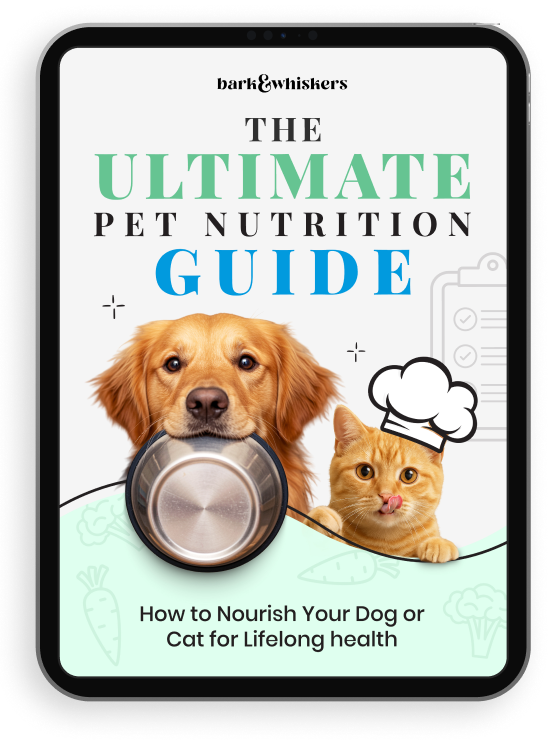
Better Health Begins in the Bowl
The Ultimate Pet Nutrition Guide was created to help dog and cat parents understand what truly supports lifelong health.
In this free guide, you’ll discover:
-

How your pet’s biology influences their nutritional needs
-
Why conventional feeding advice often falls short
-
Practical ways to choose better food for your dog or cat
View our Privacy Policy and Terms of Service.