This Sweet Gesture Hides a Surprising Meaning
Despite their reputation as independent animals, cats are deeply social. They attach to their humans with affection, loyalty, and trust — even if they express it quietly.
Reviewed by Dr. Tracy Duffner


Join the Bark & Whiskers™ Family
Sign up today for our FREE newsletter, packed with expert advice and insider tips to keep your beloved pet in tip-top shape.
View our Privacy Policy and Terms of Service.


STORY AT-A-GLANCE
- Cats rub against you to communicate, using scent, body language, and routine gestures to share how they feel and what they need
- Rubbing is often a sign of affection and trust, as cats mark you with comforting pheromones that help create a shared “family scent”
- This gesture also serves practical purposes, like greeting you, gathering information about where you have been, or politely asking for food, play, or attention
- Cats rub to feel secure, marking objects and people to make their environment familiar — but sudden, excessive rubbing can signal stress or anxiety
- While usually normal, rubbing can sometimes indicate a health issue, especially if paired with itching, head shaking, redness, or frantic behavior, making a veterinary consult important
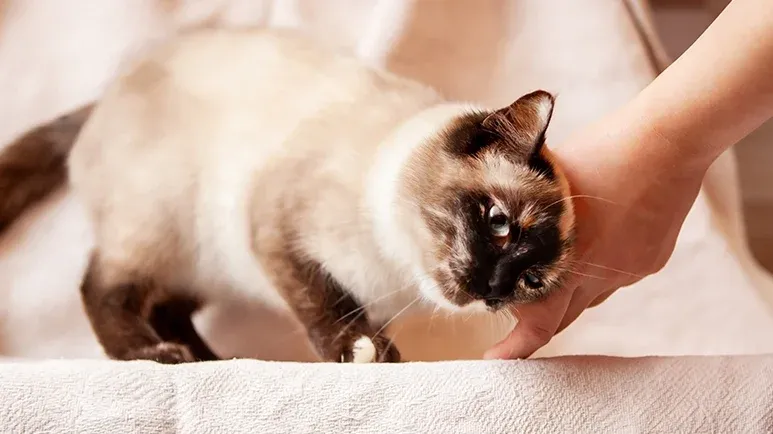
If you share your home with a cat, you have probably had this moment: You walk into the room, and your cat strolls up, tail lifted high, and rubs their face or body against your leg. Maybe they add a soft purr or a gentle head bump. It feels like pure affection — and in many ways, it is — but this behavior carries much more meaning than most people realize.
Cats are experts at silent communication. They do not always meow to explain what they want. Instead, they use body language, scent cues, and subtle routines to “speak.” Rubbing is one of their clearest ways of sending a message, and once you understand the hidden reasons behind it, you will see your cat’s behavior in an entirely new light.
Why Do Cats Rub Against You? A Quick Overview
Rubbing, also called bunting or allorubbing, is one of the most common feline behaviors. It happens when a cat presses or drags parts of their body, especially their cheeks, head, or sides, against you, another animal, or an object. While it may look like a simple loving gesture, rubbing is actually a multi-purpose communication tool that helps cats:
- Mark territory
- Show affection
- Greet trusted individuals
- Gather information
- Seek comfort
- Request something they want
Each of these reasons reflects a different side of your cat’s emotional and social life. Let’s look at each in more depth so you can clearly understand what your cat is saying the next time they rub against you.
Your Cat Is Marking You (and That Is a Big Deal)
One of the most surprising truths behind rubbing is this — your cat is marking you with their scent. This is not territorial in a negative way. In fact, it is part of how cats create a social world that feels safe and predictable.
Cats have special scent glands on their cheeks, forehead, chin, and even the base of their tail. These glands release natural chemicals called pheromones. When your cat rubs against you, they are leaving behind a small amount of these pheromones to help identify you as part of their “safe group.”1
Experts explain that cats deposit different sets of pheromones depending on their purpose. For example, feline behavior expert Zazie Todd notes that pheromone “F4” is used specifically for marking humans and familiar animals — basically a sign of friendship and trust.2 Think of it like your cat saying:
- “This is my person.”
- “You belong in my social circle.”
- “You are part of my family scent.”
It is a compliment — and a meaningful one. Cats do not create this shared scent with just anyone.
Your Cat Is Greeting You
Another common reason cats rub against you is simply to greet you. This friendly welcome is especially noticeable when:
- You come home after being away
- You walk into the room after a nap or work session
- You get out of bed in the morning
- Your cat has not seen you in a few hours
Veterinarians note that rubbing is a positive and socially normal “hello” in cat language. Cats in the same group often greet each other by rubbing head-to-head or body-to-body, so doing it to you means they see you as part of their group.3
When paired with a tail raised straight up, this greeting becomes even more meaningful. A tail-up posture signals friendliness, confidence, and emotional openness. It is one of the signs of true trust between a cat and the person they love.
Your Cat Is Showing Affection and Comfort
Some rubbing is simply affectionate. When your cat feels safe, relaxed, and happy, they may rub against you because it feels good emotionally and physically. Rubbing releases feel-good hormones (endorphins) that help cats relax and strengthen social bonds.4 Signs your cat is rubbing to show affection include:
- Soft purring
- Slow blinking
- Leaning into your touch
- A gently swaying tail
- Full-body rubbing from head to tail
- Rubbing followed by settling next to you
Think of rubbing as your cat’s version of a warm hug — gentle, intentional, and deeply meaningful.
Your Cat Wants Something (and This Is Their Polite Way of Asking)
Cats may not talk, but they certainly know how to get your attention. Rubbing is one of their clearest ways of saying, “Hey, I need something.” Common requests behind rubbing include:5
- Food or treats — If your cat rubs your leg and then heads straight toward the food bowl, there is no mystery. They have learned that rubbing reliably gets your attention when their stomach is rumbling.
- Playtime — Rubbing accompanied by excited meowing or a quick dash toward a toy often means, “Come play with me!”
- Attention or petting — Cats rub to gently ask for touch, but usually on their terms. They may guide your hand with their body to the spot they want scratched.
- Door access — Some cats rub your legs, look at a door, then rub again. They are telling you exactly what they want, and they expect you to understand.
- A clean litter box — Yes, some cats will rub to “complain” politely about their bathroom. They can be surprisingly direct.
Cats are excellent at teaching their humans what works. If rubbing gets them what they want, they will keep using it.
Your Cat Is Gathering Information About You
Cats do not just leave scent when they rub — they also pick it up. This is especially true when:
- You have been outside
- You pet another animal
- You come home smelling like a new environment
- You return from the veterinary clinic
- Visitors have recently been in the house
Rubbing allows cats to investigate your scent in a friendly, non-threatening way. They are picking up clues about where you have been, what you have touched, and who you have interacted with. It is their way of staying informed about changes in their world.
Just remember: rubbing in this context is not always an invitation to pet. Some cats rub strangers or new pets just to gather information, not to begin physical contact.6
Your Cat Is Creating a Group Scent
Cats who live peacefully together often rub on each other to create a single shared “group scent.” This scent helps them identify each other and recognize who belongs in their group. It also strengthens social bonds and reduces conflicts. Experts note that feral and colony cats do this regularly to maintain harmony.7
When your cat rubs on you, they may be trying to blend your scent with theirs to create this same sense of unity. It is one of the strongest signs that you are part of their inner circle.
Your Cat Is Getting Comfortable in Their Space
Cats frequently rub objects like furniture, walls or doorways to make their environment feel familiar and safe. These objects hold their scent, which reassures them that they are in their territory.8
If your cat rubs the same spot repeatedly or marks new items in the home, they are settling in and making the space their own. This is especially common when:
- You bring home new furniture
- You introduce new pets
- You move to a new house
- Visitors leave behind unfamiliar smells
It is like your cat is “claiming” the room so they can feel cozy and relaxed.
Your Cat Might Be Feeling Anxious
Most rubbing is normal. But in some cases, rubbing more than usual might signal stress or anxiety. Cats might rub excessively when they are:
- Feeling insecure
- Overwhelmed by new smells
- Adjusting to new pets or people
- Coping with a big change in routine
- Experiencing separation anxiety
- Seeking reassurance from you
This type of rubbing can be sometimes “compulsive” or unusually intense. It may also help anxious cats soothe themselves. In these cases, your calm, gentle response can help your cat feel more at ease.
How Cats Rub (and What Each Type Means)
Not all rubbing looks the same. Paying attention to how your cat rubs helps you understand exactly what they are communicating.9
- Head rubbing (“bunting”) —This is the classic head-butt or cheek rub. It can mean deep affection, strong trust, social bonding, a desire to mix scents, or a warm greeting. Cats have rich scent glands in their temples and cheeks, so this type of rubbing carries a lot of communication power.
- Full-body rubbing — This is when your cat runs their whole body, from head to tail, along your legs. It can mean joy, confidence, a strong social connection, or a desire for attention or closeness. Often, they will weave in and out of your legs, creating a little dance around your feet.
- Tail flicks and tail rubbing — This is when your cat brushes their tail against you or wraps it briefly around your leg. Cats often use their tail as a social tool, and combining it with rubbing makes the message extra clear.
- Face-to-face rubbing — It happens when your cat gently presses their forehead, cheek, or nose into your face. This is one of the sweetest and most intimate forms of rubbing, and cats rarely do this with people they do not consider very special.
How You Should Respond
You do not need to learn “cat language” perfectly to communicate well with your feline friend. But responding in the right ways can make your cat feel understood and strengthen your bond. Here is how to react when your cat rubs against you:10
- Speak softly — Cats respond well to calm, gentle voices. A soft greeting helps them feel safe and acknowledged.
- Pet them in safe spots — These include the head, chin, cheeks, and the base of the ears. Always stop if they move away.
- Avoid over-petting — Too much stimulation can overwhelm a cat, especially along the back or near the tail. If they twitch their tail or step away, give them space.
- Let the cat lead — Cats value control. Allowing them to choose when and how long they want contact builds trust over time.
- Reward shy cats gently — If your cat is timid, patience works wonders. Quiet time together and slow, predictable interactions help build confidence.
Rubbing Could Sometimes Signal a Health Problem
Rubbing is almost always normal. But there are times when excessive or unusual rubbing could mean something is wrong. In some cases, it can be a sign of:
- Allergies
- Fleas
- Ear infections
- Dental pain
- Skin irritation
- Neurological issues
- Feline hyperesthesia or hypersensitivity disorders
Specific signs to watch for include:
- Hair loss in areas where they rub
- Redness or swelling
- Head tilting
- Eye flicking
- Confusion
- Overgrooming
- Rubbing hard against surfaces
- Aggressive or frantic rubbing
If you notice any of these, it is time to call your veterinarian. Early help is always better for your cat’s comfort and health.
A Small Gesture with a Big Message
A cat rubbing against you may seem mundane, but it is one of the richest and most meaningful behaviors in the feline world. It is a blend of communication, affection, scent sharing, curiosity, and emotional bonding, all wrapped into one sweet gesture.
The next time your cat brushes against your legs, bumps their head into your hand, or rubs their cheek across your face, remember what they are really saying is, “You are my person. I trust you. I feel safe with you.” In the quiet language of cats, that is one of the most heartfelt messages they can give.
Sources and References

Better Health Begins in the Bowl

Better Health Begins in the Bowl
The Ultimate Pet Nutrition Guide was created to help dog and cat parents understand what truly supports lifelong health.
In this free guide, you’ll discover:
-

How your pet’s biology influences their nutritional needs
-
Why conventional feeding advice often falls short
-
Practical ways to choose better food for your dog or cat
View our Privacy Policy and Terms of Service.