That Adorable Grin? It Might Be Trying to Tell You Something
Dental care is one of the most loving gifts you can give your pet. It is a simple way to protect their well-being from the inside out and make sure they stay happy and healthy for years to come.
Reviewed by Dr. Tracy Duffner


Join the Bark & Whiskers™ Family
Sign up today for our FREE newsletter, packed with expert advice and insider tips to keep your beloved pet in tip-top shape.
View our Privacy Policy and Terms of Service.



STORY AT-A-GLANCE
- Dental problems often develop silently, impacting the whole body long before outward signs appear
- Dental disease sneaks up quietly and quickly. Plaque forms within hours, hardens into tartar, and leads to gum inflammation and periodontal disease. Most pets show dental trouble by age three, yet instinctively hide their pain
- Early symptoms are easy to miss but important to catch — bad breath, tartar build-up, red gums, drooling, dropping food, irritability, or chewing on one side are all signs your pet needs a dental check-up
- Untreated oral bacteria can spread throughout the body, harming major organs like the heart, kidneys, and liver
- Professional cleanings and simple daily habits protect your pet’s health — brushing, dental chews, safe chew toys, and routine veterinary cleanings can prevent disease, reduce pain, and help your pet stay energetic, comfortable, and happy
When your dog flashes that goofy grin or your cat gives you one of those slow, mysterious smiles, it is natural to feel your heart melt a little. Their happy faces are a big part of how you bond with them — whether they are panting happily after a walk, nudging you for dinner, or greeting you first thing in the morning. But what if that adorable grin is sending you a message you did not expect?
Your pet’s mouth does not just help them eat or show emotion. It is a window into their overall health. In fact, what is going on inside their mouth can affect nearly every system in their body — heart, kidneys, liver, and even their behavior. Many pet parents are surprised to learn just how much their animal’s teeth and gums can reveal about their overall well-being.
Your Pet’s Mouth Is the Gateway to Their Whole Body
Many people think dental care is just about preventing bad breath or tooth loss. But the mouth is much more important than that. It is the starting point of your pet’s digestive and respiratory systems, and it is where harmful bacteria can easily slip past the gums and into the bloodstream. Once that happens, those bacteria can reach the heart, kidneys, and liver, where they may cause serious, sometimes life-threatening, health issues.1
Your pet’s mouth works hard every day. They chew, lick, play, groom, nibble, and taste the world around them. If bacteria, tartar, or infected gums are part of their daily routine, the impact can build quietly over time. Most pets will not show early signs of discomfort, and many will keep eating even when their gums are inflamed or their teeth are infected. That is why dental care is one of the most powerful ways you can protect your pet’s long-term health.
The Hidden Problem — How Dental Disease Starts (and Sneaks Up on You)
Plaque is a thin, sticky film made mostly of bacteria. Within hours of eating, plaque forms on your pet’s teeth. If it is not removed — through brushing or chewing — it hardens into tartar. Tartar irritates the gums and triggers inflammation, which leads to gingivitis.2
Left untreated, this inflammation worsens and becomes periodontal disease. At this stage, the structures that hold the teeth in place start to break down. Gums pull back, roots become exposed, teeth loosen, and infection can spread deep below the gumline.
Dental disease is extremely common in pets — most dogs and cats show some level of it by age 3. And because the changes happen slowly, it is easy to miss until the damage is advanced.
Unlike humans, pets do not complain when something hurts. They rarely yelp or refuse food unless the pain becomes intensely severe. Many dogs and cats will continue eating even when they have loose teeth or infected gums because survival instincts tell them not to show weakness.3 That means you may not notice a problem until your pet is already suffering.
Signs Your Pet’s Smile Needs Attention
If you know what to look for, you can spot dental problems early — before they lead to serious health issues. The most important warning signs include:4,5
- Persistent bad breath
- Yellow or brown tartar buildup on the teeth
- Red, inflamed, swollen, or bleeding gums
- Dropping food or chewing on one side
- Pawing at the mouth
- Reluctance to eat dry kibble
- Excessive drooling
- Sudden irritability or changes in behavior
- Hesitation to pick up toys or chew
Bad breath is one of the earliest warnings, and while it may seem harmless, it often signals underlying infection. If your pet’s breath can clear a room, it is time for a dental checkup.
How Poor Dental Health Affects Your Pet’s Whole Body
Dental disease does not stay neatly contained inside your pet’s mouth. Even though the first signs show up around the teeth and gums, the impact can spread far beyond what you can see.6
- Heart health — Oral bacteria can damage the valves of the heart or trigger infections that stress the heart muscle.
- Kidneys and liver — When bacteria and inflammation circulate in the bloodstream, the kidneys and liver work hard to filter them out. Over time, this extra workload can wear down these vital organs.
- Weakened immune system — Chronic inflammation and infection in the mouth can weaken the immune system as a whole and result in increased susceptibility to other infections. It can also result in increased difficulty in managing chronic conditions such as diabetes or Cushing’s disease.
What Professional Dental Cleanings Really Do (and Why They Matter)
Professional dental cleanings are different from what you can do at home. They allow your veterinarian to clean areas that brushing simply cannot reach. Here is what happens during a professional cleaning:7
- Full oral exam under anesthesia — Most dental disease hides beneath the gumline, where you cannot see it. Anesthesia allows the veterinarian to safely examine every surface of every tooth without stress or pain for your pet.8
- Scaling and polishing — Using specialized tools, your pet’s veterinarian removes plaque, tartar, bacteria, and debris lodged around and under the gums. Then they polish the teeth to slow future plaque buildup.
- Cleaning below the gumline — More than half of dental disease occurs below the gumline — an area only professional tools can reach.
- Dental Radiographs (X-rays) — Radiographs reveal hidden infections, bone loss, cracks, abscesses, and tumors. Since most issues are not visible to the naked eye, radiographs are essential to catching problems early.
- Treatment or extractions (if needed) — If a tooth is diseased beyond repair, removing it may be the only way to eliminate pain and infection.
Most pets recover quickly — often within a day. Many seem visibly relieved once the discomfort is gone.
Daily Habits That Protect Your Pet’s Smile
Professional cleanings are essential, but your pet also needs daily support at home. You do not have to do everything perfectly — just doing something consistently makes a big difference.
Regular brushing is the gold standard of home dental care. Follow these basic tips to help ensure every brushing session helps your pet’s dental health thrive:
- Use pet-safe toothpaste (never human toothpaste).
- Start slowly — let your pet taste the toothpaste first.
- Use gentle motions along the gumline.
- Aim for at least once a day, but even a few times a week helps.
Chewing naturally scrapes away some plaque, which is why giving dental treats and chews can be helpful. Look for treats approved by the VOHC (Veterinary Oral Health Council).9 Safe rope toys and textured chew toys also help clean the teeth as your pet plays. Snacking on human foods like raw carrots and radish can reduce plaque and tartar as well. Please note, though, that chewing alone will not be sufficient for tartar prevention and daily brushing is still the best tool in the toolbox.
Your Pet’s Smile Is Worth Protecting
Every time your dog looks up at you with that open-mouthed grin or your cat gives you a gentle head bump, they are sharing a part of themselves. A healthy mouth not only keeps them comfortable, but it also keeps their organs strong, their energy up, and their spirits high.
When you take the time to understand your pet’s dental needs, you are not just caring for their teeth — you are caring for their heart, their health, and the bond you share.
And that grin you love so much? It becomes a reflection of how deeply they rely on you — and how much better they feel when their smile is truly healthy.
Sources and References

Better Health Begins in the Bowl
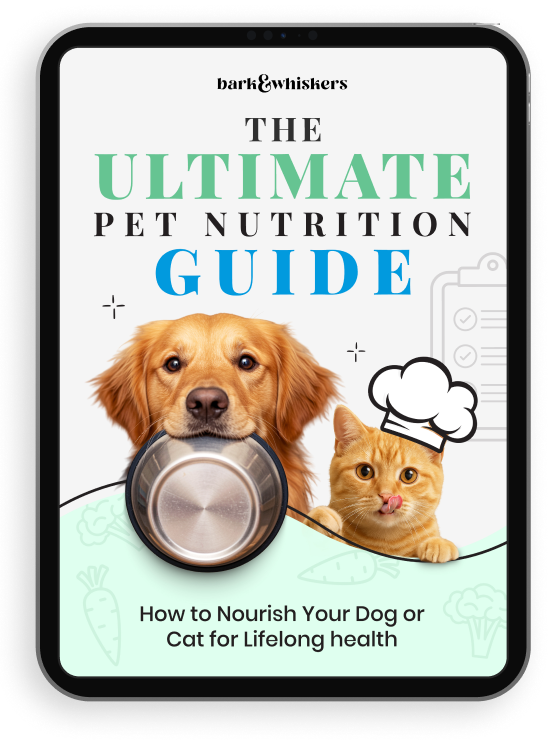
Better Health Begins in the Bowl
The Ultimate Pet Nutrition Guide was created to help dog and cat parents understand what truly supports lifelong health.
In this free guide, you’ll discover:
-

How your pet’s biology influences their nutritional needs
-
Why conventional feeding advice often falls short
-
Practical ways to choose better food for your dog or cat
View our Privacy Policy and Terms of Service.