Why Pet Parents Are Raving About This Natural Powerhouse
Discover why this natural 'Benadryl for dogs' is becoming every pet parent's secret weapon against itching, allergies, and inflammation.
Reviewed by Dr. Arielle Walton


Join the Bark & Whiskers™ Family
Sign up today for our FREE newsletter, packed with expert advice and insider tips to keep your beloved pet in tip-top shape.
View our Privacy Policy and Terms of Service.



STORY AT-A-GLANCE
- Quercetin, known as “nature’s Benadryl,” is a plant-based compound that helps dogs naturally fight allergies, inflammation, and oxidative stress without the harsh side effects of medications
- It delivers a triple-action benefit, acting as an antihistamine to relieve itching, an anti-inflammatory to ease sore joints, and an antioxidant to protect cells from damage
- Pet parents report noticeable relief from itching, paw licking, and skin irritation within a few weeks of consistent use
- Safe and gentle when used correctly, quercetin can be combined with natural boosters like bromelain, omega-3s, and probiotics for even greater results
- Start early and stay consistent. Giving quercetin daily before allergy season helps your dog build resilience and enjoy year-round comfort naturally
If your dog constantly scratches, licks their paws, or battles red, itchy skin every spring and fall, you’re not alone. Seasonal allergies and chronic inflammation affect countless dogs, leaving pet parents searching for relief. Many turn to prescription drugs like antihistamines or steroids, but those can come with side effects that make you think twice.
That’s why so many pet parents are now turning to a natural solution that’s earning rave reviews for its powerful effects on allergies, inflammation, and overall health — quercetin.
Often called “nature’s Benadryl,” quercetin has been making waves in both human and veterinary wellness circles for its natural antihistamine and anti-inflammatory abilities. But what exactly is it, how does it work, and can it really help your furry friend feel better?
What Is Quercetin and Why Does It Matter?
Quercetin is a natural flavonoid — a plant-based compound found in many fruits and vegetables such as apples, berries, red onions, kale, broccoli, and green tea.1,2 Flavonoids are what give plants their bright colors, and quercetin, in particular, is one of the most researched for its health benefits.
For centuries, quercetin has been studied for its antioxidant, anti-inflammatory, and antihistamine properties. Human benefits include endurance support, reduced inflammation, and even heart health promotion. In dogs, it’s most often used to:
- Relieve allergy symptoms
- Calm itchy, irritated skin
- Support immune balance
- Reduce inflammation from arthritis or chronic conditions
Because quercetin works naturally with the body, it’s become one of the go-to alternatives for pet parents who want a gentler option than synthetic drugs.
How Quercetin Works — ‘Nature’s Benadryl’ in Action
When your dog is exposed to allergens like pollen, dust, or certain foods, their immune system releases histamine from specialized cells called mast cells. Histamine is what causes itching, redness, swelling, and watery eyes.
Here’s where quercetin shines. It helps stabilize those mast cells, preventing them from releasing too much histamine in the first place.3 This helps stop the allergic reaction before it spirals into the relentless scratching-and-licking cycle.
In other words, while drugs like Benadryl block histamine after it’s released, quercetin helps prevent it from flooding the system to begin with. And unlike synthetic antihistamines, it also fights inflammation and oxidative stress, giving your dog’s body a much-needed break from internal chaos.
A Natural Triple Threat — Top Benefits of Quercetin
Before we dive into how quercetin works its magic, it’s essential to understand what makes it so special. This single compound delivers a triple punch of protection — helping your dog fight allergies, soothe inflammation, and defend against cellular damage all at once.4,5
- A natural antihistamine — Quercetin calms allergy symptoms, such as itching, sneezing, watery eyes, and red skin, by slowing histamine release. This makes it especially helpful for dogs with seasonal allergies, atopic dermatitis, or environmental sensitivities like pollen or grass.
- A potent anti-inflammatory — Inflammation isn’t just about allergies; it’s also behind arthritis, digestive problems, and even chronic pain. Quercetin helps lower inflammation by blocking inflammatory enzymes and reducing the production of stress-related compounds like cortisol. This makes it especially beneficial for older dogs dealing with joint stiffness or soreness after exercise.
- A strong antioxidant defense — Every day, your dog’s body battles unstable molecules called free radicals, which can damage cells and accelerate aging. Quercetin’s antioxidant power helps neutralize these molecules, supporting long-term cellular health and a stronger immune system.
Some studies even suggest that antioxidants like quercetin may play a role in protecting against cancer and cardiovascular disease.6
How Quercetin Can Help Your Dog
Pet parents who’ve tried quercetin often notice remarkable changes in their dogs’ comfort and behavior. Here are some of the most common benefits backed by research and experience across all three sources.7,8,9
- Relieves itchy skin and allergies — If your dog can’t stop scratching, biting, or licking their paws, quercetin can bring much-needed relief. It not only calms the skin but helps address the root cause of itching — inflammation and histamine release. In some cases, pet parents report a visible improvement in as little as two weeks, though consistent use yields the best results.
- Supports a healthy immune system — Quercetin helps balance immune responses, which is especially important for dogs with overactive immune systems that react too strongly to harmless allergens. It can also strengthen overall immune defense, making your dog less susceptible to illnesses.
- Improves coat and skin health — By reducing inflammation and oxidative stress, quercetin helps promote a shinier coat and healthier skin. Some dogs experience less dandruff, fewer hot spots, and an overall improvement in skin texture and resilience.
- Promotes joint and mobility health — For senior dogs or those with arthritis, quercetin’s anti-inflammatory action can ease joint stiffness and pain. Some veterinarians recommend combining it with bromelain, an enzyme from pineapples that enhances absorption and boosts its anti-inflammatory effects.
- Fights environmental stress — Exposure to pollutants, toxins, and processed foods can lead to chronic oxidative stress. Quercetin’s antioxidant support helps the liver and immune system filter and recover from these everyday assaults.
When and How to Use Quercetin
Quercetin is available in several forms — capsules, powders, and chewable supplements. Some pet supplements even combine it with bromelain and vitamin C for enhanced results.
Choosing the right form is essential to ensure your pet can reap the benefits. Capsules are easy to measure and often paired with bromelain. Powders can be sprinkled on food, ideal for picky eaters. Meanwhile, chewables are convenient and usually flavored, though dosage may be lower.
Always choose a pet-specific supplement or one that’s third-party tested for purity. Look for certifications like the National Animal Supplement Council (NASC) label to ensure quality and safety.10
For the best results, give quercetin on an empty stomach — about 30 minutes before meals. This allows it to be absorbed more effectively and used for inflammation relief rather than digestion. If your dog gets an upset stomach, you can give it with a small amount of food.
Unlike prescription medications that work quickly, quercetin takes time to build up in your dog’s system. Start supplementing a few weeks before allergy season so your dog’s body is ready to handle allergens before they become overwhelming.
Recommended Dosage Guidelines
The general dosage range for dogs is 5 to 10 milligrams (mg) per pound of body weight, given twice daily. Here’s an easy breakdown:11,12
- 10-pound dog — 50 to 100 mg twice a day
- 25-pound dog — 125 to 250 mg twice a day
- 50-pound dog — 250 to 500 mg twice a day
Always start at the lower end of the range and gradually increase as needed. Monitor your dog closely for changes in comfort, energy, or digestion, and consult your vet before making adjustments, especially if your dog takes other medications.
Safety and Precautions
Quercetin is considered very safe for most dogs when given at the correct dose. However, like any supplement, it’s essential to know the precautions. Ideally, quercetin supplements are not recommended for pregnant or lactating dogs, dogs with kidney or liver disease, or those on antibiotics, corticosteroids, or chemotherapy drugs.
Because quercetin is processed in the liver, it can interact with certain medications that use the P450 enzyme pathway, such as tramadol, omeprazole, or Prozac.13 Always check with your vet if your dog is taking prescription drugs for pain, mood, or heart conditions.
Most dogs tolerate quercetin very well. In rare cases, some may experience symptoms like mild nausea, loose stools or diarrhea, and decreased appetite. These usually resolve by adjusting the dose or giving the supplement with food, but if symptoms persist, discontinue use and consult your vet.14
How Long Does It Take to Work?
Patience pays off with quercetin. While you may notice minor improvements within the first two weeks, significant results often appear after three to four weeks of consistent use.15 Because it works at a cellular level, it takes time to reduce histamine buildup and inflammation.
Many pet parents start giving quercetin just before spring or fall allergy seasons and continue through the peak months for the best results. For maximum benefit, quercetin can be paired with other holistic supplements and nutrients that work synergistically, like:
- Bromelain — Boosts absorption and enhances anti-inflammatory effects.
- Omega-3 fatty acids — Help reduce itching and inflammation.
- Probiotics — Strengthen gut health and improve immune balance.
- Coconut oil — Moisturizes skin and supports healing from the outside in.
- Apple cider vinegar (diluted) — Used topically, it can calm irritated skin and reduce yeast overgrowth.
Together, these natural aids help address both the symptoms and the root causes of your dog’s allergies and inflammation.
Food Sources of Quercetin
While supplements provide a concentrated dose, you can also add quercetin-rich foods to your dog’s meals for everyday support. Try small portions of:16,17
- Apples (no seeds)
- Blueberries and blackberries
- Broccoli and kale
- Leafy greens like spinach
These foods not only supply quercetin but also deliver vitamins, fiber, and antioxidants that support overall wellness.
Quercetin Is the Natural Powerhouse Every Dog Deserves
Allergies, inflammation, and chronic discomfort can take a toll on your dog’s happiness and yours. But nature offers powerful answers, and quercetin is one of its best. Whether your pup struggles with seasonal itching, food sensitivities, or joint stiffness, this plant-based powerhouse can bring real, lasting relief.
Just remember, consistency and guidance matter. Start slow, choose high-quality supplements, and work with your vet to find the right dose and combination for your dog’s unique needs.
With patience and the right approach, you’ll see why pet parents everywhere are raving about this natural remedy — and why quercetin truly lives up to its reputation as “nature’s Benadryl.”
Sources and References
- 1,9,10,13 Covetrus Great Care, May 16, 2023
- 2,3,4,6,7,8,11,14,15,16 Celsius, April 3, 2025
- 5,12,17 Pet Matrx, June 25, 2024

Better Health Begins in the Bowl
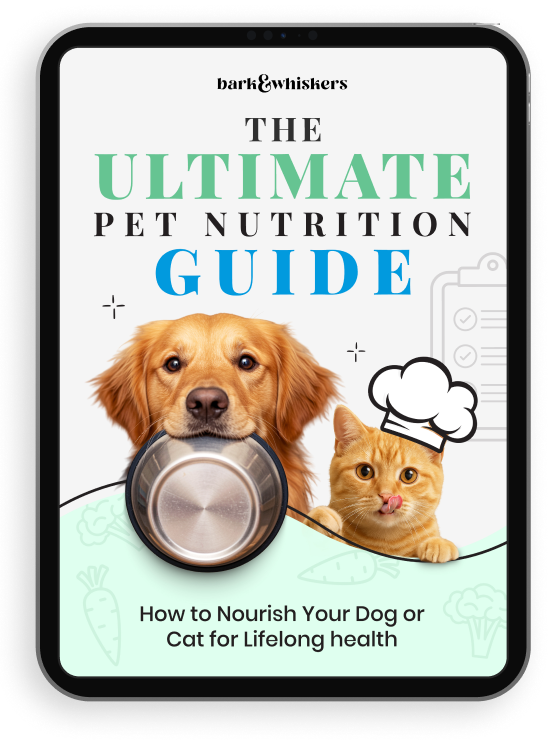
Better Health Begins in the Bowl
The Ultimate Pet Nutrition Guide was created to help dog and cat parents understand what truly supports lifelong health.
In this free guide, you’ll discover:
-

How your pet’s biology influences their nutritional needs
-
Why conventional feeding advice often falls short
-
Practical ways to choose better food for your dog or cat
View our Privacy Policy and Terms of Service.