At Least 300 Dogs Harmed by Vitamins in Hill's Canned Food
To meet nutritional standards, pet food manufacturers purchase vitamin and mineral premixes to spray on the food during production. These imported feed-grade premixes are supposed to be balanced, but they aren't always, and now innocent dogs are paying the price with their lives.

Reviewed by Dr. Becker

Join the Bark & Whiskers™ Family
Sign up today for our FREE newsletter, packed with expert advice and insider tips to keep your beloved pet in tip-top shape.
View our Privacy Policy and Terms of Service.


STORY AT-A-GLANCE
- A current total of 35 class action lawsuits brought by pet parents across the U.S. against Hill’s Pet Nutrition for toxic levels of vitamin D in dog food have been combined into a single federal lawsuit
- After multiple recalls of several varieties of dog food during 2019, the root cause of the problem was traced to a vitamin premix product supplied to Hill’s
- The FDA remained unconvinced Hill’s had resolved all the issues that contributed to the vitamin D toxicity problem
- Contamination and nutrient issues with highly processed pet food will continue into the foreseeable future; the safest option for concerned pet parents is preparing pet meals themselves using ingredients they choose or feeding nutritionally dense fresh food diets from reliable pet food companies
- The flood of innovative, human-grade fresh pet food companies introducing significantly healthier foods to the market in response to pet parents waking up to the junk food crisis occurring around the world is a breath of fresh air
Editor's Note: This article is a reprint. It was originally published February 17, 2020.
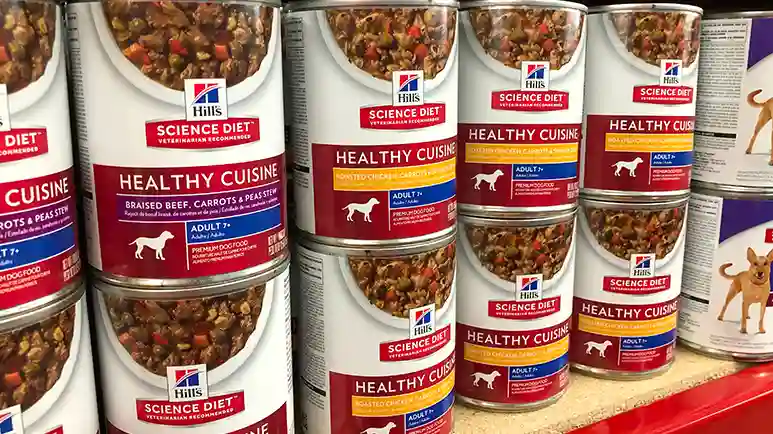
According to an article in a pet food industry journal, the U.S. Judicial Panel on Multidistrict Litigation has combined 35 separate class action lawsuits against Hill's Pet Nutrition into a single federal legal action.1 The lawsuits are all related to the recall of Hill's canned dog food for elevated levels of vitamin D.
The Hill's vitamin D problem originated with the company's vitamin premix supplier, DSM Nutritional Products. For those of you who may be unfamiliar — the extreme conditions under which most canned and especially dry pet foods are produced kills a significant amount of their nutritional value.
So, to meet AAFCO standards for "complete and balanced" pet foods, manufacturers purchase synthetic vitamin and mineral premixes that are added to the batches of food during production.
These premixes are supposed to be blends of the correct amounts of all the vitamins or minerals required to ensure the pet foods meet AAFCO standards. They come packaged in large bags similar in size to the biggest bags of dry dog food you can buy at Costco or Petco.
Most of the vitamins and minerals in these premixes are "feed-grade" (meaning not approved for human consumption and not screened for contaminants) and imported from many foreign countries, including China.
So, the excessive levels of vitamin D originated in the premix products shipped to the Hill's manufacturing facility, however, it's also clear that Hill's didn't adequately test their finished products prior to packaging and shipping.
Tragic Examples from the Consolidated Lawsuit Against Hill's
Following the recall, which occurred a little over a year ago, pet parents across the U.S. filed lawsuits against Hill's. The consolidated lawsuit names approximately 300 plaintiffs, some of whom had more than one dog sickened or killed. Other complainants bought the recalled products, but thankfully, their dogs weren't noticeably affected.
- Bone et al vs. Hill's Pet Nutrition, Inc. — Three dog owners in Florida, North Carolina and New York filed a lawsuit against Hill's, alleging the company was aware of elevated levels of vitamin D in certain canned formulas months prior to the recall. The plaintiffs claim their dogs died as a result of eating Hill's canned Prescription Diet and Science Diet formulations.
- Russell vs. Hill's Pet Nutrition, Inc. — A couple in Florida filed a class action lawsuit alleging Hill's dog food was defective due to excessive levels of vitamin D. The couple claims their dog Stella was poisoned by high levels of vitamin D and had to be euthanized.
- Navarrete vs. Hill's Pet Nutrition, Inc. — From October 2018 until January 2019, dog owner John Navarrete of California purchased cans of Hill's dog food for his German Shepherd, Goliath. In January, Goliath began having serious health issues, including vomiting and lethargy. From PetfoodIndustry.com:
- '… Your pet gets all the nutrients they need — and none they don't'
- Its pet food contains the right nutrients in the right quantities
- All finished products are "tested for key nutrients prior to release …"
- Suppliers are subject to stringent quality standards
- Each ingredient is examined to ensure safety as well as analyzed to ensure it contains an 'ingredient profile for essential nutrients.'
- Sun-Dampier vs. Hill's Pet Nutrition, Inc. — In early December 2018, Californian Jun Virginia Sun-Dampier's Pekinese, Garfield, was fed Hill's Prescription Diet i/d Digestive Care Dog Food — Low Fat Chicken & Vegetable Stew on a veterinarian's recommendation. Later that month, the dog became ill and lethargic, lost his appetite and began vomiting. On December 23, Garfield died during the night.
- Jubinville et al vs. Hill's Pet Nutrition, Inc. — Lawyers for four pet parents in Rhode Island filed a class action lawsuit against Hill's claiming that:
"In court documents, Navarrete's lawyers noted that Hill's website states:
What's more, the lawyers presented marketing materials from Hill's that warn pet owners of the dangers of excessive nutrient intake.
Considering Hill's marketing claims, the plaintiff's lawyers allege that Hill's misrepresented their products, which led to Navarrete buying the wet dog food for his German Shepherd."
"Not only has Hill's sold contaminated food, but it has dragged its feet in issuing a recall and including all contaminated food within the scope of the recall.
The lethal nature of Hill's Specialty Dog Foods has been compounded by Hill's excessive and unwarranted delay in warning consumers and regulatory agencies of the dangers posed by those products and has caused untold numbers of pet owners significant emotional distress and financial loss."
FDA Sends Warning Letter to Hill's
Following the Hill's recall of 25 varieties of dog food in January 2019 and 8 additional varieties in March 2019, the FDA conducted two inspections of the company's manufacturing facility in Topeka, KS.
In a November 2019 warning letter to Hill's, the FDA Office of Human and Animal Foods wrote that:
"The inspections and the investigation confirmed that animal food products with unsafe levels of vitamin D were manufactured and marketed by your firm. You determined the unsafe levels of vitamin D were the result of an ingredient that you received and accepted in a manner not in accordance with your receiving procedures, and that was subsequently incorporated in the animal food products."2
When FDA laboratories tested samples from two lots of recalled Hill's Prescription Diet Digestive Care i/d Low Fat canned dog food, they found vitamin D at levels more than 33 times the recommended safe upper limit.
According to the National Research Council (NRC) and the 2017 AAFCO official publication, vitamin D in dog food is safe in the amount of 500 to 3,000 IU/kg. Concentrations above 4,000 IU/kg (dry matter) cause symptoms of vitamin D toxicosis. In the samples tested by the FDA, vitamin D levels ranged from over 100,000 to over 107,000 IU/kg.
While acknowledging that Hill's had implemented procedures to reduce the likelihood of another vitamin D problem, the FDA warning letter noted that other problems remained unresolved and the agency was "unable to assess the adequacy of [Hill's] corrective actions because many are preexisting procedures that were not followed consistently prior to the recall event."
Further, according to the FDA, Hill's response did "not address the root cause of this incident, which was accepting an ingredient without confirming that it contained vitamin levels that were within specification as required by your procedures."
The FDA gave Hill's 15 working days (from November 20, 2019) to send their own letter back about how the company would respond to the noted violations.
Recommendations for Concerned Pet Parents
Unfortunately, little has changed in the quality of diets the top 5 massive pet food companies produce, despite the recalls, lawsuits, other forms of pressure to do better, and the ever-growing number of beloved animal companions who've become sick or died after being fed contaminated pet food.
Those of us who advocate for improvement in the sourcing, processing and regulation of pet food will continue the fight, but in the meantime, it’s best to consider preparing your pet's meals in your own kitchen using ingredients you choose yourself, and following nutritionally balanced recipes like those provided by the Recipe Creator for adult dogs, or those created through Animal Diet Formulator.
The safest way to feed pets is to offer nutrient-rich foods as a means of meeting nutritional requirements instead of relying on synthetic, laboratory-made nutrients; it's much more difficult to create an acute nutritional crisis when you supply your dog or cat with nutrients from real, fresh foods.
Fresh, real food is unadulterated and contains all the enzymes and nutrients that are typically destroyed during cooking or other types of processing. Making homemade food allows you to take complete control of the source and quality of the ingredients in your furry family member's diet.
It also allows you to take advantage of buying fresh, seasonal vegetables on sale and offers the option to rotate species-specific fresh meats and poultry to offer a healthy selection of whole food nutrients.
If you cannot make your own pet food, it's important to find a pet food company that uses human-edible ingredients and focuses on creating species-specific foods that derive the vast majority of nutrients from real (not rendered) vitamin and mineral-rich foods. This means you'll have to do some homework on the company you choose to support.
It also speaks volumes that most pet food companies rely on large amounts of synthetic nutrients to make their foods "nutritionally complete and balanced." Without these questionable, feed-grade additives most pet foods would be devoid of almost all the required vitamins and minerals needed by the bodies of dogs and cats, which gives rise to the question, why are we feeding these grossly depleted diets in the first place?
Three human junk food companies with pet food divisions — Mars Petcare, Nestle Purina Petcare, and J.M. Smucker (the jelly company) — manufacture a big chunk of all the commercial pet food products sold worldwide.
Mars owns Eukanuba, Cesar, Iams, Nutro, Pedigree, Royal Canin, Sheba, Waltham, and Whiskas, to name a few. Nestle owns Purina Beneful, Friskies, Dog Chow, Cat Chow, ProPlan, Alpo, One, Fancy Feast, and more. Smucker owns 9 Lives, Gravy Train, Kibbles n' Bits, Meow Mix, Milk-Bone, Milo's Kitchen, Natural Balance, Nature's Recipe, and Rachel Ray Nutrish, among others.
None of these conglomerates nor their closest competitors have made any notable attempt to create less-processed products without rendered ingredients, more biologically appropriate diets with carbohydrate contents less than 20%, or even to move to human-grade additives.
The flood of innovative, human-grade fresh pet food companies introducing significantly healthier foods to the market in response to pet parents waking up to the junk food crisis occurring around the world is a breath of fresh air.
The epidemic of persistently symptomatic pets, combined with the realization that none of us (including our pets) can survive on fast food, has sparked a growing demand for real, minimally processed products by transparent pet food start-ups around the world.
Thankfully, it's becoming much easier to find pet foods made with ethically sourced, non-GMO ingredients, humanely slaughtered meats, third party quality control testing for heavy metals and contaminants, and recipes formulated for optimal nutrient composition via real, living foods.
Yes, you'll have to become your pet's advocate and decide, through your own research, what companies best align with your own beliefs about what constitutes excellent quality pet food, but this is our duty as their guardians. One resource that can be of help is Truth About Pet Food's The List.
You can also nominate your current brand of food to participate in voluntary transparency testing through Check Your Pet Food; if your pet food company refuses to complete third party quality control testing, find a more transparent company to support.
Sources and References

Better Health Begins in the Bowl
Better Health Begins in the Bowl
The Ultimate Pet Nutrition Guide was created to help dog and cat parents understand what truly supports lifelong health.
In this free guide, you’ll discover:
-

How your pet’s biology influences their nutritional needs
-
Why conventional feeding advice often falls short
-
Practical ways to choose better food for your dog or cat
View our Privacy Policy and Terms of Service.