Your Dog's Top Treat Choices — Are They in Your Fridge?
These 22 'people foods' make terrific cost-effective treats to share with your canine BFF — and are far healthier than typical options. But if going with store-bought, please heed these critical dos and don'ts, avoid this treat entirely, shun these label reading mistakes, and more.

Reviewed by Dr. Becker


Join the Bark & Whiskers™ Family
Sign up today for our FREE newsletter, packed with expert advice and insider tips to keep your beloved pet in tip-top shape.
View our Privacy Policy and Terms of Service.


STORY AT-A-GLANCE
- On average, most dog owners give their dog one to five treats per day, with feed-grade biscuits and dental care sticks among the most popular
- The amount of treats appropriate for your dog depends on the type of treat and your dog’s age, health status, activity level, and size
- One study found that 75% of owners follow the feeding instructions provided on the treat label, but this can be a mistake, as treat labels are notorious for overestimating how many treats your dog should eat
- A general guideline is that treats should make up less than 10% of your dog's daily food intake
- The best treats are fresh, whole foods that will provide valuable nutrition to your pets while also serving as a special treat; ideas include small bites of cheese, raw almonds and cashews, raw sunflower seeds, berries, cucumbers, and carrots
Editor's Note: This article is a reprint. It was originally published April 5, 2019.
Dogs enjoy treats just like people do, but if you're not careful, these well-intentioned indulgences can lead to overweight and obese pets. It's not only a matter of too many treats that are the problem, but also the fact that most commercially available treats are akin to highly processed junk food.
Giving your dog too many processed treats is much like supplying him with an ongoing supply of potato chips and candy would be for people — it's likely to lead to weight gain and even chronic disease. So there are two questions to answer: how many treats should your dog eat, and what types of treats are best?
How Many Treats Should Your Dog Eat?
There is no set answer to this question, as the amount of treats appropriate for your dog depends on the type of treat and your dog's age, health status, activity level and size. A general guideline, though, is that treats should make up less than 10% of your dog's daily food intake.
If you're reserving a few treats for before bedtime, a midday treat, as training rewards or to entice your dog into his crate, his treat intake is probably OK (provided you're not overdoing it at each of these occasions). Keep in mind that you should adjust your dog's meal intake to reflect the calories he's consumed via treats — but be sure you keep the treats to a minimum, as reducing his meals too much could lead to nutritional deficiencies.
On average, most dog owners give their dog one to five treats per day, with biscuits and dental care sticks among the most popular. One study found that 75% of owners follow the feeding instructions provided on the treat label,1 but this can be a mistake, as treat labels are notorious for overestimating how many treats your dog should eat.
One study of 32 popular dog treats found that when the labels' recommended feeding instructions were followed in terms of number of treats per day, it led to dogs consuming 16% of their daily food intake in the form of treats instead of the recommended 10%.2
Rawhides were particularly problematic, coming in at 25% for small-sized dogs and 18% for medium-sized dogs, but even biscuits and chewable sticks were problematic. While on the topic of rawhide, these chews are best avoided entirely — not only because they’re high in calories, but also because this highly processed skin poses a choking hazard and may contain chemicals.
What Type of Treats Are Best?
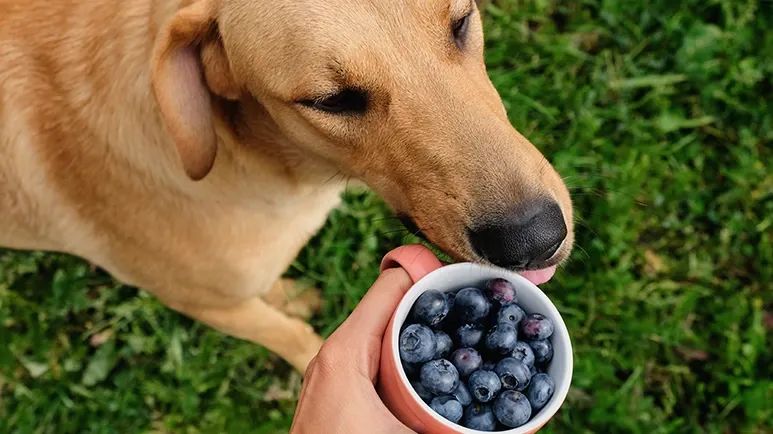
The best treats are fresh, whole foods that will provide valuable nutrition to your pets while also serving as a special treat. Small bites of cheese work well, as do raw almonds and cashews (for bigger dogs) and raw sunflower seeds (for smaller dogs). Organic fruits and vegetables also make great options, including the following:
- Apples
- Avocado
- Bananas
- Blueberries
- Broccoli
- Brussels sprouts
- Cantaloupe
- Carrots
- Celery
- Cucumbers
- Green beans
- Mango
- Mushrooms
- Oranges
- Peaches
- Pears
- Peas
- Pineapple
- Raspberries
- Strawberries
- Spinach
- Watermelon
While many "people" foods, like the produce above and bits of meat, can make great treats for pets, remember that not all table foods make healthy treats. Bread, crackers, pasta and any human junk food, like French fries, are not good dog treats. Yet, according to a study published in Preventive Veterinary Medicine, "A wide range of foods which would not be considered balanced for the animal's nutritional requirements was viewed as a treat by some dog owners."3
70% of Dog Owners Feed Store-Bought Treats on a Daily Basis
Most commercial dog treats are not great options for your pet, even if they claim to be grain-free. Grain-free treats typically replace grains with potato, tapioca, peas and lentils, which are basically grain-like fillers that will promote inflammation in your dog while offering no nutritional value.
Not only do most all dog owners (96%) report feeding treats to their dog,4 but 69% fed store-bought treats on a daily basis. If you're looking to go the store-bought route, look for treats that are sourced and made in the U.S. Stating "made in the USA" on the label isn't enough, as this claim can be made even if the treats were only assembled in the U.S.
So seek out trusted companies that are also sourcing their ingredients in the U.S. High‑quality treats have also been found from New Zealand and Canada, though those sourced from China are avoided. As for ingredients, look for human-grade items and avoid treats made with animal byproducts, added sugar, honey or molasses, grains, synthetic preservatives, and artificial flavors and colors.
Store-bought jerky treats are also not advised, due to ongoing problems with contamination. Fortunately, these treats are easy to make at home — simply place long, thin strips of chicken breast, ideally organic and pastured, on a greased or nonstick cookie sheet and bake them for at least three hours at 180 degrees F.
Sources and References

Better Health Begins in the Bowl
Better Health Begins in the Bowl
The Ultimate Pet Nutrition Guide was created to help dog and cat parents understand what truly supports lifelong health.
In this free guide, you’ll discover:
-

How your pet’s biology influences their nutritional needs
-
Why conventional feeding advice often falls short
-
Practical ways to choose better food for your dog or cat
View our Privacy Policy and Terms of Service.