When Their Kisses Come with a Warning
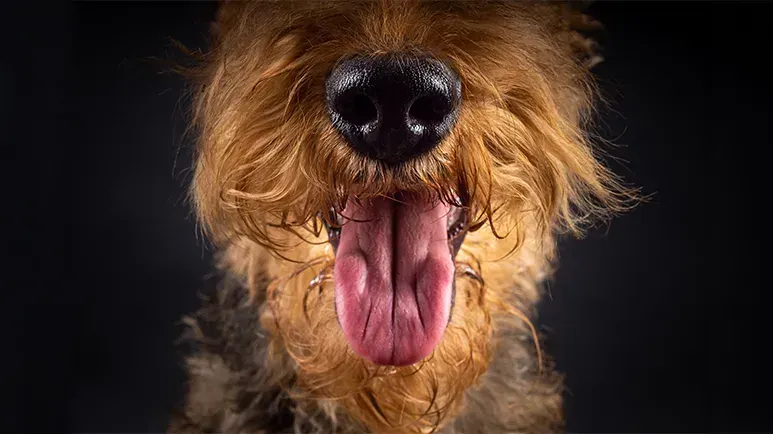
As much as we love those slobbery puppy kisses, they sometimes come with a smell that's hard to ignore. If your dog's breath has taken a turn for the worse, it may be worth a closer look.
Reviewed by Dr. Arielle Walton


Join the Bark & Whiskers™ Family
Sign up today for our FREE newsletter, packed with expert advice and insider tips to keep your beloved pet in tip-top shape.
View our Privacy Policy and Terms of Service.


STORY AT-A-GLANCE
- Bad breath in dogs is often caused by dental disease, but strong or unusual odors can also point to other health problems worth checking out
- Sugarcane molasses polyphenols reduced odor-causing compounds and bacteria in a small study of dogs, suggesting plant extracts may help freshen breath between cleanings
- Regular brushing is still the best way to care for your dog’s teeth, using dog-safe toothpaste and slowly helping them get comfortable with brushing
- Simple homemade toothpaste or plant-based breath sprays may help keep your dog’s mouth fresher, but they work best alongside regular brushing and dental care
- If your dog’s bad breath is strong, suddenly gets worse, or comes with swelling, bleeding, drooling, or trouble eating, it’s time to call your veterinarian
Does your dog love giving kisses, but their breath makes you turn away? You’re not alone. Bad breath, also known as halitosis, is one of the most common complaints of dog parents. However, there are instances when it’s not just an unpleasant smell — it can be an early warning sign of dental disease or other health problems that aren’t yet visible.
Why Does Your Canine Bestie's Breath Smell Nasty?
According to Animal Wellness Magazine, bad breath usually starts with plaque, a sticky film of bacteria that builds up on the teeth.1 PetMD adds that dental hygiene for dogs has changed dramatically in the last decade, and vets now rely on breath odor as a diagnostic clue pointing to problems beyond the mouth.2 Here are some of the most common culprits:
- Dental or gum disease — This is the top cause of bad breath. Plaque hardens into tartar, inflames the gums, and can progress into full periodontal disease if left untreated.
- When something gets stuck in the mouth — Sticks, bones, chew toys, splinters, or debris can lodge between teeth or under the tongue, trapping bacteria and producing a sour smell.
- Kidney disease — Failing kidneys can’t filter toxins properly, allowing urea to build up in the blood, which often gives the breath an ammonia- or urine-like odor.
- Liver disease — When the liver can’t clear toxins, breath odor may worsen, alongside jaundice, weight loss, and vomiting. These are signs that call for a prompt vet visit.
- Diabetes — Poorly managed diabetes can push the body to burn fat for fuel, producing ketones that leave breath smelling sweet or like acetone.
- Toxic ingestion — Certain plants and substances, even cigarettes, can leave breath smelling rancid or chemical — a possible sign of accidental poisoning.
- Eating something they shouldn’t — From feces to litter box contents to household objects — a dog’s scavenging habits are a common, if unglamorous, cause of foul breath.
- Oral tumors — More common in senior dogs, growths in the mouth can become infected or start to die off, causing persistent foul breath no matter how well you brush.
- Dietary imbalance — Raw or homemade diets, if not properly balanced, can disrupt the natural bacteria in a dog’s mouth and gut, contributing to odor.
Can Plants and Natural Extracts Help with Halitosis?
Veterinary clinics have long treated bad breath with daily brushing, antibiotics, or chemical rinses, but a new study in the Journal of Agricultural and Food Chemistry points to a gentler option.3
Researchers tested polyphenols extracted from sugarcane molasses, a byproduct of sugar refining, after they found in earlier lab work that the compounds curbed harmful oral bacteria.4 The team wanted to know whether the same effect would hold up in real dogs’ mouths.
The study recruited 10 pet dogs with noticeably smelly breath and sprayed the molasses-derived polyphenols directly into their mouths.5 Within an hour, trained evaluators could barely detect any odor, and lab testing showed that several odor-causing compounds, including esters, amines, and aldehydes, had dropped below detectable levels in the dogs’ saliva.
After 30 days of daily use, the dogs’ oral microbiomes contained significantly fewer bacteria associated with bad breath, including Porphyromonas and Fusobacterium. The study describes the effect happening in three stages: The polyphenols act like a “molecular sponge” that binds and neutralizes odor molecules, then shut off the bacterial enzymes responsible for foul smells, and finally thin out the bacterial population that causes bad breath in the first place.
Separate from this research, Animal Wellness Magazine notes that pet parents have long experimented with their own plant-based oral sprays. Popular options include parsley for its chlorophyll content, spearmint used sparingly since peppermint oil itself can be harmful to dogs, coconut oil for its mild antimicrobial properties in small amounts, and calendula for its soothing effect on gum tissue.6
Brushing Is Still the Gold Standard
While sprays and rinses can help between cleanings, nothing replaces regular brushing.7 Ideally, you’ll want to start when your dog is still a puppy, though it’s never too late to build the habit with an adult dog.
Small Door Veterinary suggests dog should be introduced to brushing as puppies, when they're naturally more adaptable to new experiences. However, it's never too late to start. Many adult dogs learn to accept brushing with a little patience and consistency. If you're planning to brush your dog's teeth at home, you can keep these useful tips in mind:
- Avoid human toothpaste — Many made-for-human toothpastes contain xylitol, an artificial sweetener that is highly toxic to dogs. Fluoride-containing products should also be avoided. Always use a toothpaste formulated specifically for canine use.8
- Introduce a toothbrush gently — Introduce brushing gradually, and remember to focus on the outer surfaces of the teeth, where most tartar accumulates. Follow these steps:
- Let your dog taste a small amount of dog-safe toothpaste. Then use your finger to gently rub the toothpaste onto the teeth and gums.
- Once your dog is comfortable with that sensation, begin using a piece of gauze to mimic the brushing action.
- Move on to a toothbrush or finger brush. Gently lift your dog's lip and use small circular motions to clean the outside surfaces of the teeth.
Two Simple DIY Oral-Care Remedies to Try
If your dog tolerates oral care well, homemade products can be a simple way to complement regular brushing. They're not meant to replace veterinary dental care, but they may help support fresher breath and a cleaner mouth between brushings.9,10
Cool & Calming Toothpaste for Dogs
Ingredients:
¾ cup organic aloe vera gel (without aloin)
3 tablespoons baking soda
3 tablespoons organic, unsalted ghee
1 tablespoon soil-based probiotics or bentonite clay
2 teaspoons crushed eggshells
15 fresh mint leaves, minced
Procedure:
- Blend all ingredients until smooth and creamy.
- Store in the refrigerator for up to one week or freeze in an ice cube tray for longer storage. To avoid contaminating the entire batch, scoop out only the amount needed for each brushing.
Simple Plant-Based Breath Spray
Ingredients:
1 cup distilled water
1 tablespoon finely chopped fresh parsley
½ teaspoon MCT oil
Procedure:
- Bring the water to a boil.
- Add the parsley and let it steep for about 10 minutes.
- Allow the mixture to cool completely.
- Strain out the parsley.
- Stir in the MCT oil.
- Transfer the liquid to a clean spray bottle.
Lightly spray onto your dog's teeth or inside the mouth once daily. If your dog dislikes sprays, you can apply a small amount to gauze and gently wipe the teeth instead.
Proper Dental Care Applies to Your Pets Too
The internet is full of suggestions for improving your dog's oral health, but no home remedy can replace a veterinarian's guidance. If your dog's bad breath is strong, persistent, or suddenly becomes worse, don't assume it's simply a cosmetic problem. Contact your veterinarian, especially if you notice difficulty eating, bleeding or swelling in the mouth, excessive drooling, and nasal discharge.11
The good news is that many causes of bad breath are manageable when they're identified early. Regular brushing, routine dental exams, dental treats, special diets, and prompt attention to new symptoms can go a long way toward protecting your dog's oral health.12
Sources and References

Better Health Begins in the Bowl
Better Health Begins in the Bowl
The Ultimate Pet Nutrition Guide was created to help dog and cat parents understand what truly supports lifelong health.
In this free guide, you’ll discover:
-

How your pet’s biology influences their nutritional needs
-
Why conventional feeding advice often falls short
-
Practical ways to choose better food for your dog or cat
View our Privacy Policy and Terms of Service.