Hear This Strange Cough? Here's What May Help
That odd-sounding cough could be more than a tickle in the throat. Here's what's behind it, who's most at risk, and how to help your dog feel like themselves again.
Reviewed by Dr. Arielle Walton


Join the Bark & Whiskers™ Family
Sign up today for our FREE newsletter, packed with expert advice and insider tips to keep your beloved pet in tip-top shape.
View our Privacy Policy and Terms of Service.


STORY AT-A-GLANCE
- Kennel cough is a highly contagious respiratory infection that commonly causes a dry, hacking, or honking cough, along with symptoms like sneezing, nasal discharge, and mild lethargy
- The condition is usually caused by bacteria, viruses, or a combination of infectious organisms that spread when dogs are in close contact with one another
- Dogs that spend time in kennels, daycares, shelters, dog parks, grooming salons, and other crowded settings face a higher risk of exposure
- Supportive home care such as rest, hydration, steam therapy, proper nutrition, and throat-soothing remedies may help ease discomfort while your dog's body recovers
- Puppies, senior dogs, and dogs with worsening symptoms should be evaluated by a veterinarian
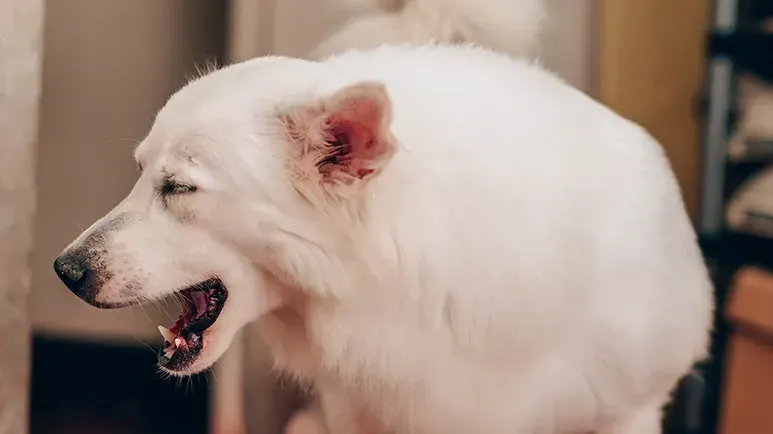
You hear it from across the room: a loud, dry cough that sounds like your dog has something stuck in their throat. It's hard not to worry, especially when it seems to come out of nowhere. If that sound is new to you, kennel cough may be the reason. Here's what pet parents should know.
What Is Kennel Cough?
According to My Pet Nutritionist, kennel cough, more accurately known as canine infectious respiratory disease (CIRD), is a highly contagious disease complex caused by a variety of infectious agents.1
These pathogens cause inflammation in the respiratory tract, leading to the condition's hallmark symptom: a persistent dry, hacking, or honking cough.
Dogs with kennel cough may also experience gagging or retching after coughing, sneezing, a runny nose, mild lethargy, reduced appetite, and, in more severe cases, a mild fever.2 The good news is that most healthy dogs recover without major complications. Many cases resolve on their own within 10 to 14 days,3 provided more serious infections or complications do not develop.
Where Does Kennel Cough Come From?
Kennel cough is a little different from many illnesses because it often isn't caused by a single organism. According to an article from the Natchez Trace Veterinary Services website, one of the most common bacterial culprits is Bordetella bronchiseptica. This bacterium attaches to the lining of the respiratory tract, irritating the airways and triggering coughing. Because it spreads efficiently through respiratory droplets and close contact, it can move quickly through groups of dogs.4
Viruses are often involved as well. Common contributors include canine parainfluenza virus and canine adenovirus type 2, while canine distemper virus and canine herpesvirus-1 have also been linked to canine infectious respiratory disease.
When multiple infectious agents work together, symptoms may become more noticeable and recovery can take longer. The infection can spread through:
- Direct contact with infected dogs
- Airborne droplets released through coughing or sneezing
- Shared water bowls and food dishes
- Contaminated toys, bedding, or surfaces
Which Dogs Face the Greatest Risk?
Any dog can develop kennel cough, but some circumstances make exposure more likely than others. Dogs that spend time in crowded environments, including boarding kennels, animal shelters, dog parks, grooming facilities, doggy daycares, and training classes, face a greater risk because infectious organisms spread more easily when dogs are housed or socialized together. Stress may also increase susceptibility to infection, as physical and emotional stress can affect immune function.5
Age and overall health matter too. Puppies and senior dogs often have a harder time fighting off respiratory infections because their immune systems may not be as robust as those of healthy adult dogs. Dogs with pre-existing medical conditions can also be more vulnerable and may face a greater risk of developing more severe symptoms.
While exposure isn't always avoidable, a healthy immune system remains one of a dog's first lines of defense against infectious disease. Supporting your dog's overall health may help reduce their susceptibility to infection and better prepare their body to respond when exposure occurs.
Natural Ways to Support Your Dog During Recovery
If your veterinarian determines that your dog's case is mild, supportive care at home may help keep them comfortable while their body works through the infection.6,7,8
- Honey — Honey is one of the most commonly used home remedies for kennel cough. It contains antimicrobial and anti-inflammatory compounds that may help soothe irritated throat tissues and provide temporary relief from coughing.
Manuka honey has attracted attention for its antibacterial properties and its ability to inhibit certain pathogens. While it isn't a cure for kennel cough, many pet parents find it helpful for easing throat irritation. - Steam therapy — Moist air may help reduce irritation in the respiratory tract and make breathing more comfortable. Running a humidifier near your dog's resting area or sitting with them in a steam-filled bathroom after a hot shower are simple ways to increase humidity and help soothe inflamed airways during recovery.
- Proper nutrition for a stronger immune system — A healthy immune system is one of your dog's first lines of defense against kennel cough and other respiratory infections. Nutrition plays an important role in maintaining healthy immune function, and several vitamins and minerals help support the body's response to illness. Key nutrients include:Chicken bone broth can also be a useful addition because it provides hydration along with gelatin, chondroitin, and other nutrients that support overall health and immune function.
- Vitamin C — Helps support immune defense by encouraging the production of infection-fighting white blood cells. Sources include blueberries, seaweed, peppers, sweet potatoes, and pumpkin.
- Vitamin A — Helps maintain the health of the respiratory tract and other protective barriers throughout the body. Sources include liver, fish oil, and egg yolks.
- Vitamin B6 — Supports normal immune function and plays a role in the body's response to infection. Sources include beef, chicken, turkey, sardines, salmon, and organ meats.
- Zinc — Helps support immune cell activity while maintaining the integrity of the skin and mucous membranes. Sources include seafood, meat, and fish.
- Vitamin D — Supports immune function and helps the body respond to infectious organisms. Sources include liver, fish, egg yolks, and mushrooms.
- Gentle herbal support — Some integrative practitioners use herbs as part of a supportive care plan for dogs with kennel cough. Common options include:As with any supplement or herbal product, it's best to speak with your veterinarian before introducing new remedies.
- Licorice root tea — Is known for its soothing and anti-inflammatory properties and may help ease throat irritation.
- Thyme — Has traditionally been used for its antibacterial and antiviral properties.
- Chamomile — May help soothe irritated mucous membranes and respiratory tissues.
- Slippery elm gruel — It's known to form a soothing coating over irritated tissues and is sometimes used to help manage persistent coughing.
- Essential oils — Some holistic veterinarians use essential oils as part of a supportive care plan for dogs with kennel cough. When properly diluted, oils such as frankincense and lavender may be applied topically, while certain oil blends are sometimes diffused in the home to help create a more comfortable environment during recovery.
Because essential oils can be irritating or unsafe if used incorrectly, always consult your veterinarian and follow appropriate dilution guidelines before using them with your dog. - Let your dog rest — One of the simplest and most effective tools for recovery is rest. Healing takes energy, and dogs recovering from illness often benefit from extra downtime. Limiting strenuous exercise, rough play, and overly exciting activities can help your dog recover more comfortably.
Try These Simple Home-Care Tips Too
Rover lists a few practical adjustments around the house can help reduce irritation and keep your dog more comfortable while they recover. Keep these tips in mind:9
- Encourage plenty of fluids — Staying hydrated is especially important when your dog is dealing with a respiratory infection. Water helps soothe the throat and keeps airway secretions from becoming overly thick. If your dog seems reluctant to drink, low-sodium chicken broth or dog-safe bone broth may help encourage fluid intake.
- Offer soft or wet food — A sore throat can make crunchy food less appealing. Soft or wet food may be easier and more comfortable for your dog to eat while they're coughing. The added moisture can also help support hydration.
- Reach for a harness — If your dog needs walks during recovery, use a harness. Collars can place pressure on an already irritated throat, potentially triggering more coughing. A properly fitted harness distributes pressure across the chest instead of the trachea.
- Keep activity low-key — Recovery takes energy. Providing a calm, comfortable place to rest and temporarily cutting back on strenuous exercise, rough play, and overly exciting activities can help support the healing process.
- Avoid these irritants — Smoke and strong odors can further irritate inflamed airways and worsen coughing. Try to keep your dog away from:
- Cigarette smoke
- Wildfire smoke
- Fire pits
- Harsh cleaning products
- Aerosol sprays
- Strong fragrances
When Is It Time to Call the Vet?
Most cases of kennel cough improve with supportive care at home, but some dogs need veterinary attention. Contact your veterinarian if your dog develops a fever, loses interest in food, becomes unusually lethargic, shows signs of labored breathing, or if the cough hasn't started to improve after about a week.10
Because kennel cough is highly contagious, keep your dog away from other dogs for about two weeks after symptoms appear, even if they seem to be feeling better sooner. Depending on your dog's condition, your veterinarian may recommend treatments such as a cough suppressant, an anti-inflammatory medication, or antibiotics if a bacterial infection is suspected.
While kennel cough often sounds worse than it is, trust your instincts. If something doesn't seem right, a call to your veterinarian can provide peace of mind and help your dog get the care they need.
Sources and References
- 1, 7 My Pet Nutritionist, July 11, 2022.
- 2, 4, 5, 6 Natchez Trace Veterinary Services, PLC, July 29, 2024.
- 3 PetMD, October 14, 2025.
- 8, 9, 10 Rover, February 3, 2025.

Better Health Begins in the Bowl

Better Health Begins in the Bowl
The Ultimate Pet Nutrition Guide was created to help dog and cat parents understand what truly supports lifelong health.
In this free guide, you’ll discover:
-

How your pet’s biology influences their nutritional needs
-
Why conventional feeding advice often falls short
-
Practical ways to choose better food for your dog or cat
View our Privacy Policy and Terms of Service.