Could This Help Your Pet Stay Spry as They Age?
A familiar ingredient found in kitchens around the world has sparked thousands of studies. Here is why so many pet parents are taking notice.
Reviewed by Dr. Tracy Duffner



Join the Bark & Whiskers™ Family
Sign up today for our FREE newsletter, packed with expert advice and insider tips to keep your beloved pet in tip-top shape.
View our Privacy Policy and Terms of Service.


STORY AT-A-GLANCE
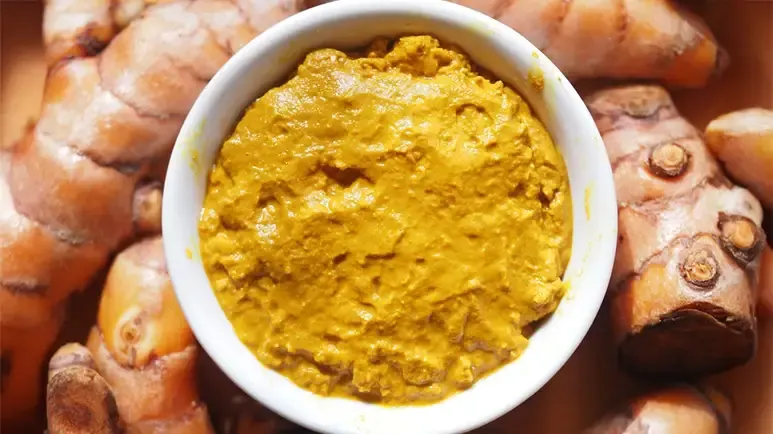
- Turmeric is a bright yellow-orange spice made from the root of a ginger-family plant and is best known for the rich color and earthy flavor it adds to food
- Curcumin gives turmeric much of its health reputation, and scientists have studied this natural compound for decades because of its antioxidant effects and role in inflammation
- For dogs, curcumin may help ease joint stiffness, support easier movement, aid digestion, and protect cells from oxidative stress, especially as pets grow older over time
- If you add turmeric to your dog's food, start with a small amount, and pair it with healthy fat and black pepper to help improve curcumin absorption
- Homemade treats and simple food mixes can make turmeric easier to serve, giving pet parents a practical way to add small amounts to a dog's routine
Turmeric has become one of the most talked-about natural additions to a dog's diet, showing up everywhere from supplements to homemade treats. That popularity has left a lot of pet parents wondering whether this bright yellow spice deserves a place in their dog's bowl, or if it is just another trendy sprinkle.
Why Pet Parents Are Talking About Turmeric and Curcumin
According to Purina.com, turmeric is a spice made from an Asian plant in the ginger family. It is commonly used in curries, sauces, and soups, where it adds a distinctive earthy flavor and rich yellow color. Turmeric is also frequently used in packaged foods for both people and pets as a natural color and flavor enhancer.1
Interest in turmeric largely centers on curcumin, a naturally occurring compound found in the spice. While curcumin makes up only a small portion of turmeric, it is the component that has attracted the most scientific attention and is the focus of much of the research surrounding turmeric.
If you have spotted turmeric on your dog's food label, it is important to know why it is there. In most commercial pet foods, turmeric is added to enhance color or flavor rather than provide the benefits associated with curcumin. As a result, the small amounts used in kibble or canned food are not likely to deliver noticeable health effects on their own.
Why Is Turmeric Beneficial for Furbabies?
Turmeric's reputation extends well beyond the kitchen. Its active compounds have been the subject of more than 40,000 research papers,2 helping make this golden spice one of the most widely studied herbal ingredients in both human and animal health.3
- It helps support a healthy inflammatory response — Much of turmeric's reputation comes down to its effects against inflammation. A little short-term inflammation is all right, because it is how your dog's body heals after a scrape or a rough afternoon at the dog park. But when that inflammation sticks around for weeks or months instead of days, that is a different story, and it has been tied to a long list of health problems, including joint disease.
A 2004 lab study4 found that curcumin worked as well as several anti-inflammatory drugs at calming inflammation, and even outperformed aspirin and ibuprofen in that same comparison. Please note, this was an in vitro study (in a test tube), which can differ from in vivo (in the person or animal) effects due to absorption and bioavailability. - It supports joint comfort and mobility — Curcumin has been studied for its ability to ease the stiffness and discomfort of osteoarthritis. In a 2014 clinical study,5 people with knee osteoarthritis given curcumin reported pain relief comparable to ibuprofen, without the same digestive side effects.
In dogs specifically, a placebo-controlled study of 42 dogs found a significant reduction in pain among those given a diet supplemented with curcumin, collagen, and green tea extract when compared to placebo,6 and a separate study found that pairing curcumin with a joint-support compound reduced pain significantly enough to warrant a reduction in NSAID dose.7,8 - It provides antioxidant protection — Curcumin also acts as an antioxidant, helping fight off the everyday wear and tear that builds up in the body over time. In one feeding study, dogs given about 30 mg of curcumin a day showed real improvements in blood markers tied to that wear and tear, along with a mild calming effect on inflammation.9
- It supports digestive health — Curcumin may help stimulate bile production, which plays an important role in breaking down dietary fats.10 Scientists have also looked into whether it can calm digestive inflammation and support overall gut health. The evidence so far is early, but it is part of why interest in turmeric has grown beyond just joint support.
- It has a possible role in cellular health — A possible role in long-term health — Curcumin's antioxidant and anti-inflammatory effects have made it a focus of ongoing research into how chronic diseases, including cancer, develop over time. Scientists are still working out exactly how it does this, so it is worth thinking of this as early-stage research rather than proof that turmeric can prevent or treat cancer in dogs.11
Adding Turmeric to Your Pet's Meals
If you would like to add turmeric to your dog's diet, start with a small amount and introduce it gradually. Dogs Naturally Magazine recommends about 15 to 20 milligrams per pound of body weight daily, or roughly 1/8 to 1/4 teaspoon per day for every 10 pounds of body weight.12
It is also important to remember that curcumin is difficult for the body to absorb. The FutureYou Cambridge blog reminds readers that choosing a highly bioavailable formulation or pairing turmeric with ingredients such as healthy fats in combination with black pepper may help more of the beneficial compounds reach the bloodstream.13 Turmeric can also be sprinkled into food, making it easy to incorporate into your dog's regular meals.
Turmeric Treats Worth Wagging For
If you would rather work turmeric into your dog's routine through their treats, this simple recipe is an easy, low-mess place to start.14,15
Golden Paste Treats
Ingredients:
- 1/2 cup turmeric powder
- 1 cup water
- 1/4 cup coconut oil, cold-pressed and unrefined
- 1/2 teaspoon black pepper (for better absorption)
- 1/4 cup pumpkin purée (optional)
- 1/4 cup natural peanut butter (optional)
Directions:
- Simmer the turmeric powder and water over medium-low heat for 7 to 10 minutes, stirring until it thickens into a paste.
- Remove from heat and stir in the coconut oil and black pepper, along with the pumpkin purée and peanut butter if you're using it.
- Spoon into silicone molds, then freeze for at least 2 to 3 hours until solid. Store in the refrigerator for up to two weeks or in the freezer for up to three months.
Like many natural additions to your dog's diet, turmeric works best when approached with realistic expectations. Used thoughtfully and in appropriate amounts, it may be one more way to support your dog's well-being as they age while complementing the healthy habits you already practice every day.
Sources and References
- 1 Purina, January 28, 2026 purina.com
- 2 Int J Mol Sci. 2023 Sep 26;24(19):14561
- 3,12 Dogs Naturally Magazine, May 8, 2024
- 4 Oncogene 23, 9247-9258 (2004)
- 5 Clinical Interventions in Aging 9, 451-458 (2014)
- 6 BMC Veterinary Research 13, 395 (2017)
- 7 BMC Veterinary Research 19, 37 (2023)
- 8 Comparative Clinical Pathology 29, 855-863 (2020)
- 9 Animals (Basel). 2020 Oct 8;10(10):1827
- 10,13 FutureYou Health, April 28, 2025
- 11 National Cancer Institute, May 13, 2025
- 14 Pook's Pantry, April 8, 2026
- 15 MyDogRecipe, May 31, 2025

Better Health Begins in the Bowl
Better Health Begins in the Bowl
The Ultimate Pet Nutrition Guide was created to help dog and cat parents understand what truly supports lifelong health.
In this free guide, you’ll discover:
-

How your pet’s biology influences their nutritional needs
-
Why conventional feeding advice often falls short
-
Practical ways to choose better food for your dog or cat
View our Privacy Policy and Terms of Service.