Does This Favorite Fall Spice Get the Paws Up?
Pumpkin spice season is here, and your dog may be sniffing the air with real interest — the good news is that this popular spice isn't just safe in small amounts, it may actually offer real health benefits, as long as you know which kind to reach for and which fall favorites to skip entirely.
Reviewed by Dr. Elizabeth Hardoon

Join the Bark & Whiskers™ Family
Sign up today for our FREE newsletter, packed with expert advice and insider tips to keep your beloved pet in tip-top shape.
View our Privacy Policy and Terms of Service.


STORY AT-A-GLANCE
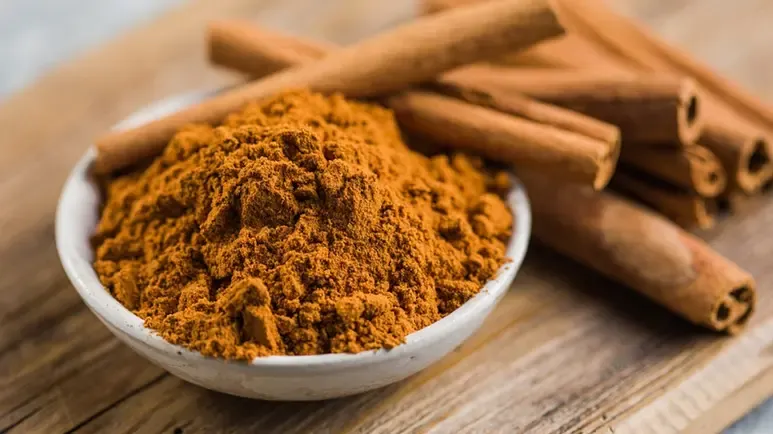
- Small amounts of pure ground cinnamon are safe and beneficial for most dogs — but not all cinnamon is equal, and the type in your kitchen may not be ideal for your pup
- Ceylon cinnamon (light tan, sweeter) is the better choice for dogs because it is low in coumarin; Cassia cinnamon (the common grocery-store variety) is higher in coumarin and large amounts should not be fed regularly
- Cinnamon's documented benefits include antioxidant support, anti-inflammatory effects for arthritis, blood sugar regulation for diabetic dogs, cardiovascular support, cognitive protection, oral health, and antibacterial and antifungal activity
- Skip cinnamon rolls, pumpkin spice mixes (nutmeg is toxic to dogs in large amounts), sugary cereals and cinnamon sticks (potential choking hazard which can harm dogs and cats
- Use extra caution with pregnant dogs, dogs on prescription diets, dogs with liver conditions or on blood thinners, and any dog with known cinnamon sensitivity — always runs new additions past your vet
Pumpkin spice season has arrived, and with it come the warm, sweet, unmistakable notes of cinnamon in everything from coffee to baked goods to seasonal candles. Watching your dog take a curious sniff of the kitchen air, you may find yourself asking a reasonable question: Can they enjoy a little cinnamon too?
The Short Answer Is Yes
Cinnamon is not just safe for most dogs in small amounts; it offers some real health benefits when used thoughtfully. However, the longer answer (as always) has some important nuance.
Unlike nutmeg (which can be toxic in large amounts and often turns up in the same recipes), plain cinnamon can be shared with your pup in modest quantities. Many commercial dog treats already contain cinnamon as an ingredient.
That said, more is not better. Too much cinnamon can cause mouth irritation, digestive upset, low blood sugar, or in extreme cases, liver issues. Cinnamon essential oil is a different story entirely — it is highly concentrated and can be dangerous if used in its undiluted form.1,2
Ceylon vs. Cassia — The Type Matters
Not all cinnamon is the same. In fact, the type you keep in your kitchen may not be the type that is ideal for your dog — and the difference matters more than most pet parents realize. Two varieties dominate the market:3,4
- Ceylon cinnamon — Light tan in color, sweeter and milder in taste, native to Sri Lanka and India. It is more expensive and harder to find, but it is the better option for dogs. Ceylon cinnamon is low in coumarin, a compound that can be hard on the liver when consumed in larger amounts.
- Cassia cinnamon — Darker in color, stronger in flavor, and the variety you will typically find in grocery store spice jars. It is cheaper and more available — but it is also much higher in coumarin. Small occasional amounts of Cassia cinnamon are generally fine, but it should not be fed regularly over a prolonged period.
When choosing cinnamon to share with your dog, look for pure, organic Ceylon cinnamon whenever possible. It is a small upgrade with a real payoff.
Antioxidant Powerhouse
Cinnamon is loaded with antioxidants — compounds that help protect the body from free radical damage. Antioxidants support the immune system, reduce inflammation, and are particularly relevant for pets facing age-related decline.5,6
This is the most commonly cited benefit in commercial dog treats that include cinnamon, and it is supported by solid research on cinnamon chemistry.
Anti-Inflammatory Effects
Cinnamon's natural anti-inflammatory properties are one of its most useful qualities for aging dogs. Chronic inflammation contributes to arthritis, joint pain, and muscle soreness — all common in senior dogs. A small sprinkle of cinnamon in food, used consistently, may offer meaningful relief.7
It is not a substitute for veterinary care or joint-specific therapy in dogs with significant arthritis. But it is a low-cost, low-risk addition to a broader plan for supporting mobility as your dog gets older.
Blood Sugar and Diabetes Support
One of the most well-documented uses of cinnamon in both human and animal research is its effect on blood sugar. Cinnamon reduces the amount of sugar absorbed into the bloodstream after eating and improves insulin sensitivity, which lowers overall blood glucose levels.8
For diabetic and prediabetic dogs, this is genuinely interesting. A general starting dose would be 1/8 teaspoon per fifteen pounds of body weight daily, with veterinary guidance.9 Always coordinate cinnamon use with your dog's regular diabetes management — cinnamon can enhance existing treatment, not replace it.
Heart Health
Cinnamon is not a stand-alone heart treatment, but it is another example of how a small, food-based intervention can gently support cardiovascular function alongside conventional care.
Small studies have suggested that dogs given modest amounts of cinnamon may show lower blood pressure and lower heart rates than dogs who do not.10 That's meaningful for dogs with high blood pressure or other cardiovascular concerns.
Antimicrobial Support
Cinnamon has natural antiviral, antibacterial, and antifungal properties. It inhibits the growth of bacteria like Listeria and Salmonella and can help the body fight viral and fungal infections. Dogs prone to chronic yeast issues may benefit from cinnamon's antifungal effects.11
This makes cinnamon a nice addition for pets with recurring skin or ear yeast issues — supporting immunity from the inside while other treatments do their work on the surface.
Cognitive Support for Senior Dogs
Cinnamon's high antioxidant content also supports cognitive function. Antioxidants help protect the brain against oxidative damage that contributes to age-related decline. Research in mice has shown that cinnamon can reduce brain cell damage, protect neurons, and support motor function.12
For senior dogs starting to show mild cognitive changes — confusion, night pacing, disorientation — cinnamon is one small piece of a broader brain-support strategy that might also include omega-3s, mental enrichment, and specific supplements discussed with your vet.
Oral Health and Breath
Because of its antibacterial activity, cinnamon can also support oral health. It may help fight the bacteria involved in tooth decay, oral infections, and mouth sores. As a bonus, cinnamon can improve the smell of your dog's breath.13
Cinnamon-based dog treats or a tiny sprinkle in the food bowl can be a subtle way to support cleaner teeth and fresher breath — though they do not replace regular tooth brushing or professional dental care.
How to Feed Cinnamon Safely
A little cinnamon goes a long way. Because dogs are smaller than humans and their bodies process spices differently, even a modest sprinkle can deliver the benefits without pushing them into risky territory. The goal is gentle, occasional support in a sprinkle — not daily heaping spoonfuls. Here are some tips to help you:
- A small pinch or dash sprinkled on food or added to homemade treats is fine for most healthy dogs.
- Use powdered ground Ceylon cinnamon — not sticks or essential oil.
- Choose pure organic cinnamon with no added sugar or flavorings.
- Introduce it slowly to see how your dog tolerates it.
- Talk to your vet first if your dog has any health condition or is on medications.
What to Avoid
Not all cinnamon-containing foods are appropriate for dogs. Many products that smell like cinnamon carry a stack of other ingredients — sugar, butter, nutmeg, artificial sweeteners, and preservatives — that can turn a small treat into a real problem. Skip these entirely:
- Cinnamon rolls, cinnamon bread, and cinnamon cookies — High in sugar and fat. Beware that they may sometimes contain the toxic ingredient xylitol.
- Pumpkin spice mixes — Almost always contain nutmeg, which is toxic to dogs if given in large amounts.
- Cinnamon cereal and oatmeal — Loaded with sugar and preservatives.
- Cinnamon applesauce — May contain added sugar or artificial sweeteners.
- Cinnamon sticks — A choking hazard and can cause mouth irritation.
- Cinnamon essential oil — Highly concentrated and can cause irritation if undiluted.
- Raw cinnamon roll dough is particularly dangerous — The yeast in it can rise inside the stomach, causing alcohol toxicity as well as painful bloating.14
The Nutmeg Problem
Nutmeg is Cinnamon’s frequent recipe partner and one of its biggest risks. nutmeg contains myristicin, a compound that can cause tremors, muscle spasms, confusion, elevated heart rate, dry mouth, lethargy, hallucinations, high blood pressure, stomach pain, and even seizures in dogs, when ingested in large amounts.15
Toxicity typically requires your pet to ingest over one teaspoon of ground nutmeg or 1 to 3 whole nutmegs — which is a fairly large amount. In some dogs, small amounts may cause stomach upset. Because pumpkin spice mixes and many holiday recipes combine cinnamon and nutmeg, always check labels carefully before sharing anything cinnamon-scented with your dog.
When to Skip It Entirely
Even a spice as gentle as cinnamon is not universally right for every dog — certain health conditions, life stages, or medications can shift the risk-benefit balance. From a holistic perspective, cinnamon is considered a "warming" food, so it may not be good for all dogs, especially those sensitive to heat. When in doubt, always run it past your holistic vet first. Situations to be especially careful about include:
- Pregnant dogs — Large amounts of cinnamon can have a stimulating effect on the uterus.
- Dogs on prescription diets — Extra additions to their prescription diet may cause health issues.
- Dogs with certain liver conditions — Clear cinnamon use with your vet first.
- Dogs on blood-thinning — Cinnamon have mild anticoagulant effects.
- Dogs with a history of cinnamon allergy or sensitivity (rare but possible).
Signs of Too Much
If your dog manages to get into more cinnamon than they should, signs of trouble can appear quickly. Some show up within minutes, others may take a few hours to develop. Knowing what to look for helps you decide whether it is a wait-and-watch situation or a call-the-vet-now moment. Watch for:
- Coughing, choking, or difficulty breathing (from inhaling powdered cinnamon)
- Mouth irritation, redness, or blisters
- Vomiting or diarrhea
- Lethargy or weakness
- Changes in heart rate
- Signs of low blood sugar
If any of these appear — especially with essential oil exposure or with a small dog and a large ingestion — call your vet or the Pet Poison Helpline right away.
A Little Spice, a Lot of Benefit
So, does cinnamon get the paws up? For most healthy dogs given the right amount, yes. Small sprinkles of pure ground Ceylon cinnamon can support antioxidant intake, have gentle anti-inflammatory effects, help with blood sugar regulation, heart health, oral health, and cognitive function — all with minimal risk when used thoughtfully.
The trick is to keep it simple. Skip the baked goods loaded with sugar and nutmeg. Keep concentrated essential oils and cinnamon sticks away from your dog entirely. Choose organic Ceylon cinnamon when you can. And, as with any new food, introduce it gradually and talk to your holistic vet if your dog has ongoing health conditions.
A small pinch here and there is more than enough. Your pup gets to enjoy a little of the season, and you both get to share in the warm autumn feel of one of the world's most beloved spices.
Sources and References

Better Health Begins in the Bowl
Better Health Begins in the Bowl
The Ultimate Pet Nutrition Guide was created to help dog and cat parents understand what truly supports lifelong health.
In this free guide, you’ll discover:
-

How your pet’s biology influences their nutritional needs
-
Why conventional feeding advice often falls short
-
Practical ways to choose better food for your dog or cat
View our Privacy Policy and Terms of Service.