The Summer Bites Every Dog Parent Should Know
Warm weather means more time outside and more chances for your dog to run into a biting insect along the way. Knowing what's a minor annoyance and what needs a same-day vet visit can turn a scary moment into a 5-minute fix.
Reviewed by Dr. Arielle Walton


Join the Bark & Whiskers™ Family
Sign up today for our FREE newsletter, packed with expert advice and insider tips to keep your beloved pet in tip-top shape.
View our Privacy Policy and Terms of Service.


STORY AT-A-GLANCE
- Summer brings mosquitoes, fleas, bees, wasps, spiders, ants, and more — most bites are mild, but some can turn serious quickly, especially for allergic dogs
- Common signs include red bumps, swelling, itching, hives, licking or chewing one spot, and limping if bitten on a paw
- For most stings, remove any visible stinger by scraping (not squeezing), apply a cool compress for 10 to 15 minutes, and watch closely for 20 minutes
- Avoid calamine lotion (which can be toxic if licked) entirely and skip most human creams — natural options like cool compresses are safer
- Head to an emergency vet immediately for facial swelling, breathing trouble, pale gums, collapse, vomiting, seizures, or stings inside the mouth
Your dog is having the best time. Long walks, backyard sprints, and a quick roll in the grass at the park — all the good stuff of a warm-weather afternoon.
What they don't know, and what pet parents often forget until it's too late, is that summer brings a whole cast of biting and stinging insects along for the ride. Most bites are mild and heal on their own, but there are a few that can turn serious quickly. Knowing how to distinguish these bites makes a real difference.
The Usual Suspects and the Usual Signs
Dogs can be bitten or stung by many of the same insects that bother humans — and because they spend so much time close to the ground, they often have even more opportunities for encounters. The list of insects that can cause trouble is longer than most pet parents think, and each one has its own signature reaction. Here are the usual suspects to keep on your radar:1
- Mosquitoes
- Fleas
- Ticks
- Bees
- Wasps and hornets
- Ants (especially fire ants)
- Spiders
- Black flies, gnats, and horseflies
Some dogs barely notice a bite, while others react strongly. Puppies, small dogs, and dogs with allergies tend to be the most reactive.
Because dogs can't tell you where it itches, you're often reading the situation from their behavior. They scratch, chew, and lick, which can turn a small red bump into a bigger problem. Watch for these signs:2,3
- Red, raised bumps or hives
- Swelling sometimes localized, sometimes facial
- Sudden itching, licking, or chewing at one spot
- Hair loss from repeated scratching
- Small puncture wounds or scabs
- Sudden yelping or limping if bitten on a paw
- Restlessness or whining
Mosquitoes
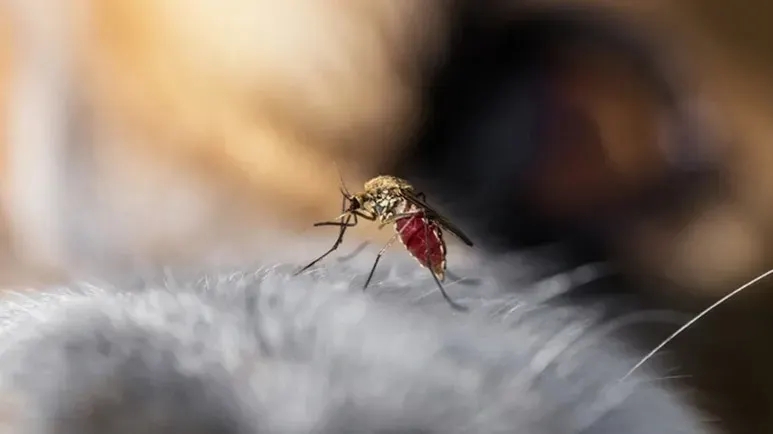
Mosquito bites usually look like small, itchy red bumps, often on thin-haired areas like the belly, ears, nose, or around the eyes. Most resolve in a few days. The bite itself is minor. The bigger concern is that mosquitoes can transmit heartworm disease, one of the most serious parasitic diseases in dogs.
Reducing mosquito exposure through yard maintenance, avoiding outdoor time at dawn and dusk, and using pet-safe natural repellents is one of the most useful things you can do. Talk to your vet about heartworm testing and a prevention plan that fits your household and geography.
Fleas
Flea bites are among the most common bug bites on dogs. Signs include intense itching, red bumps, hair loss, scabs, and small black specks (flea dirt) in the coat.
Some dogs develop flea allergy dermatitis, an allergic response to flea saliva that produces severe itching from even a single bite. That's the version most likely to spiral into skin infections.
Natural approaches to flea prevention include topical food-grade diatomaceous earth, apple cider vinegar rinses, cedarwood, and neem oil-based products. Keeping bedding clean, vacuuming often, and treating the yard with beneficial nematodes can also help reduce flea populations at home.
Bees, Wasps, and Hornets
Stings are dramatic — sudden yelping, pawing at the face, swelling, and pain. They typically happen on the nose, lips, mouth, or paws. Wasps and hornets can sting multiple times, which increases the risk of a more severe reaction. If your dog has been stung, here's the veterinarian-recommended approach:4,5
- Stay calm. Your dog is watching you. A steady, matter-of-fact response helps them settle.
- Remove the stinger if you see it. Use tweezers gently, or scrape it out with the edge of a credit card. Don't squeeze; that can push more venom in.
- Apply a cold compress. An ice pack wrapped in a towel, or a cool, damp cloth, held to the area for 10 to 15 minutes helps reduce swelling and pain. Don't apply ice directly to the skin.
- Watch closely for the next 20 minutes to a few hours. Most allergic reactions show up within 20 minutes of the sting.
- Call your vet. Even if the sting looks mild, a quick call is worth it. Your vet can advise on next steps for your dog's specific situation.
- Prevent licking and scratching. A recovery cone or a gentle distraction can help the area heal without causing additional irritation.
Spiders and Fire Ants
Most spider bites cause only mild irritation, but bites from venomous spiders like black widows or brown recluses (in regions where they live) can cause severe pain, muscle tremors, weakness, vomiting, and tissue damage. These need immediate veterinary attention.
Fire ants can both bite and sting, often producing clusters of small red bumps that turn into pustules. Persistent licking, swelling, and pain are common signs. Puppies and smaller dogs tend to have stronger reactions.
First Aid for Mild Bites
For everyday bug bites with mild swelling and your dog otherwise acting normally, a simple at-home approach usually does the trick. The goal is to keep your dog from turning a small annoyance into something bigger through nonstop licking or scratching:6,7
- Clean the area — Gently wash with mild soap and water. This removes dirt and bacteria before your dog starts working the spot with their tongue.
- Apply a cool compress — Five to 10 minutes of a cool, damp cloth or an ice pack wrapped in a towel can help ease swelling and take the edge off the itch.
- Prevent excessive licking — A recovery cone, a light bandage, or extra distraction with toys or a walk can keep your dog from turning a small bite into a bigger problem.
- Monitor the bite — Check the area over the next 24 to 48 hours for worsening swelling, redness, discharge, or new symptoms.
What NOT to Put on Your Dog
Not everything in your human medicine cabinet is safe for pets. For instance, calamine lotion should be avoided. It contains zinc oxide and iron oxide, both of which are toxic to dogs and cats if licked or ingested. Cats are especially at risk because they groom constantly.
Hydrocortisone cream can sometimes be used sparingly on dogs, but only under a vet's guidance: apply a thin layer, no more than once or twice a day, and only to areas your pet can't easily lick. For cats, stick to plain cream rather than sprays or gels, since sprays often contain alcohol that can be harmful if ingested during grooming.
The general rule from veterinarians: don't apply human creams, ointments, or sprays to your pet's skin without checking first. Many common human-product ingredients are toxic to pets.8
The Emergency Signs
Most bites are minor, but some reactions escalate quickly and need immediate veterinary care. Head to an emergency vet if you notice these symptoms:
- Difficulty breathing, wheezing, or gasping
- Rapidly worsening facial or throat swelling
- Pale, gray, or bluish gums
- Repeated vomiting or diarrhea
- Extreme lethargy or weakness
- Collapse
- Seizures
- Numerous stings at once
- Stings inside the mouth, throat, or nose
These signs can indicate anaphylaxis, a severe allergic reaction that can be fatal without prompt treatment. Anaphylaxis can develop within 20 minutes of a bite or sting, sometimes faster.
Stings on the head, mouth, or nose warrant extra caution, as swelling in those areas can quickly become dangerous. When in doubt, head to the vet.9
Prevention Without Chemicals
Reducing your dog's exposure to biting insects doesn't have to mean reaching for harsh chemical products. Some practical, natural-leaning strategies:10,11
- Avoid peak mosquito hours; dawn and dusk are their most active windows.
- Remove standing water from bird baths, kiddie pools, buckets, and flower pot trays.
- Keep grass trimmed and shrubs pruned to reduce hiding spots for ticks and other insects.
- Use pet-safe natural deterrents like citronella, mint plants, or essential oil-based sprays formulated for animals. Always confirm safety with your vet, since some essential oils are toxic to cats.
- Steer clear of active bee or wasp nests.
- Skip sweet-scented shampoos and floral lotions on your dog, which can attract bees and wasps.
- Check your dog after every outdoor adventure. Ears, toes, armpits, belly, and the base of the tail are common hiding spots.
Solving Summer Bites
Bug bites are simply part of summer for dogs who spend time outdoors. The vast majority are minor and heal on their own with basic at-home care. A cool compress, a clean bite, and a bit of patience will handle most of what a warm-weather afternoon can throw at your dog.
The key is knowing where the line is. Mild redness and a little itchiness are normal. Rapid facial swelling, breathing trouble, pale gums, or collapse are not. If you learn to spot the warning signs and act quickly when they appear, summer bug season stops being scary and becomes just another manageable part of outdoor life.
Clean it, cool it, watch it, and know when to call. That's the whole playbook. Now go enjoy the sunshine.
Sources and References
- 1,2,4,6,7,10 Pupford, July 27, 2026
- 3,8 Yahoo, July 26, 2026
- 5,9,11 Chewy, April 30, 2025

Better Health Begins in the Bowl
Better Health Begins in the Bowl
The Ultimate Pet Nutrition Guide was created to help dog and cat parents understand what truly supports lifelong health.
In this free guide, you’ll discover:
-

How your pet’s biology influences their nutritional needs
-
Why conventional feeding advice often falls short
-
Practical ways to choose better food for your dog or cat
View our Privacy Policy and Terms of Service.