Why Your Pet Is One of the Best Things for Your Health
May is National Pet Month — a good time to recognize how much your animal companion quietly improves your health every day, and how you can give back in ways that improve their daily life, too.
Reviewed by Dr. Tracy Duffner


Join the Bark & Whiskers™ Family
Sign up today for our FREE newsletter, packed with expert advice and insider tips to keep your beloved pet in tip-top shape.
View our Privacy Policy and Terms of Service.


STORY AT-A-GLANCE
- May is National Pet Month, a timely reminder that pets quietly support health in ways that reach far beyond companionship and routine
- Having a pet has been linked to lower stress, reduced loneliness, a greater sense of purpose, and slower cognitive decline in older adults
- The physical benefits extend beyond staying active. Pet owners tend to have better heart health, lower blood pressure, and stronger immune responses
- Children who grow up with pets show higher empathy, better emotional development, and a reduced risk of eczema and common allergies
- National Pet Month is a good time to give back through better daily care, veterinary visits, or supporting animals without a home
May is National Pet Month,1 which makes it a fitting time to look more closely at something millions of people experience every day. If you are one of the 66% of American households with a pet,2 you already know that life with one is just different. They work their way into your routines, your moods, your bad days, and your good ones.
What is less obvious is how much of that impact is real and measurable. Evidence shows your pet may be one of the most important contributors to your physical and mental health. Yet when the conversation turns to well-being, pets rarely make the list alongside exercise, diet, or sleep — it is time they did.
Your Pet Is Good for Your Mental Health
Anyone with a pet will tell you their animal makes them happier. That is not surprising when you have a companion who is always glad to see you and offer love and support without judgment or conditions. And as it turns out, their presence has a measurable effect on your mental health:
- Stress and anxiety relief — Your pet is not just a distraction from stress; they actually change what is happening in your body. Petting or playing with an animal raises oxytocin and endorphins while lowering cortisol, the hormone most responsible for that tight, anxious feeling. It is the same biological response tied to meaningful human connections like parent-child bonding.3
- Less loneliness, more connection — Pet owners, particularly those who live alone, are 36% less likely to report loneliness.4 Dog owners especially benefit from the built-in social element. Walking a dog has been shown to increase interaction with other people, especially strangers, compared to walking without one.
- Routine and a sense of purpose — Feeding times, walks, and play sessions with your pet give your day structure, and with that comes a sense of accomplishment. Among pet parents over 50, the vast majority say their pets give them a sense of purpose and help them enjoy life — two things that become harder to hold onto as we age.5
- Relief from PTSD — Veterans paired with service dogs have reported significantly lower PTSD symptom severity, reduced anxiety and depression, and less social isolation. Service dogs also help reduce hypervigilance, improve sleep quality, and keep their owners grounded in the present by interrupting re-experiencing episodes.6
- Cognitive protection — For older adults living alone, having a pet was associated with a slower rate of cognitive decline, particularly in verbal cognition, memory, and fluency.7
- Emotional development in children — Children who grow up with pets, especially dogs, tend to show higher empathy and more prosocial behavior, and the stronger the bond with the animal, the stronger the effect. Early pet ownership has also been linked to healthier emotional expression and less emotional inhibition as children grow.8,9
- A lifeline in difficult moments — More than one in five U.S. pet owners have had a pet recommended to them by a doctor or therapist, a sign of how seriously clinicians are beginning to take the role animals play in mental health.10 For some people, that bond is what keeps them grounded when nothing else can.
None of these means a pet takes the place of human relationships or professional care when you need it, but it does help explain why the bond people feel with their animals runs so deep.
Physical Benefits of Having a Pet
Most people know that pets keep you active. The walks, play sessions, and daily upkeep add movement to your routine. But the physical benefits go well beyond exercise. Here is where your pet may be making a difference without you even realizing it:
- Heart health and blood pressure — Simply having a dog in the room during a stressful situation has been shown to lower blood pressure more effectively than a common blood pressure medication alone.11,12 Evidence also shows that dog owners tend to have lower plasma cholesterol and triglycerides, along with improved survival following a heart attack, compared to non-pet owners.13
- Improved pain perception — Having a therapy dog may help pain feel less intense. In hospital settings, patients who spent time with a therapy dog reported lower pain levels, and joint replacement patients who interacted with a therapy dog before physical therapy also showed improved pain scores. Researchers suggest part of that effect may come from distraction, which shifts attention away from discomfort.14
- Stronger immune systems in children — Children exposed to dogs early in life are less likely to develop eczema and allergic reactions. Research suggests exposure to dust from homes with dogs helps reshape the gut microbiome in ways that reduce immune reactivity to common allergens.15,16
- Healthier routines — Pets depend on consistency. They need to be fed, walked, let out, groomed, and cared for at roughly the same times each day. That routine often spills over into the owner’s life, creating more regular sleep-wake patterns, mealtimes, and activity habits.17
- Support for healthy aging — In older adults, pets are linked to greater activity, less sedentary time, and better day-to-day functioning. The simple demands of caring for an animal help preserve movement and routine, both of which become increasingly important for maintaining strength, balance, and independence with age.18
The degree to which your pet affects your health will vary. It depends on the animal, the relationship, and how present you actually are with them. No pet is going to resolve a health condition on its own, but they have a way of making the harder parts of life easier to carry.
5 Ways to Give Back This National Pet Month
Whether your pet is a dog who meets you at the door, a cat who curls up beside you, or a fish tank that somehow calms you down during stressful days, chances are they have been doing more for you than you ever stopped to count. This month is a good time to even the score. Here are a few ways to give back to your animal companion:
- Make upgrades to their daily life — Small changes in your pet’s daily routine can go a long way, whether it is a new bed, better-quality food, or a new engaging toy.
- Give them your time, not just your presence — Pets know the difference between being in the same room and being engaged with them. Take a longer walk, try a new trail, or just sit on the floor and play with them for a while. That undivided attention is the thing they want most.
- Book that overdue veterinary visit — Preventive care is one of the most important things you can do for your pet, and it is easy to let it slide. Use this month as the nudge to get their checkup, screening labwork, vaccinations or titers, and dental health back on track.
- Support a shelter or rescue — Giving back does not have to stop with your own pet. Donating supplies, volunteering a few hours, or fostering an animal in transition can make a real difference for pets still waiting for a home.
- Learn something new about their needs — Better care often starts with better understanding. Whether that means looking into breed-specific health concerns, improving your cat’s environment, or rethinking what goes into their bowl, a little effort here can change a lot over time.
What this all comes back to is simple: The same daily habits that support your pet’s life are often the ones that shape your own health along the way. Paying a little more attention to how you care for them does not just improve their world — it reinforces the routines and connection that make yours better, too.
Sources and References
- 1 The University of British Columbia, May Is National Pet Month!
- 2 Forbes, April 1, 2026
- 3 Front Psychol. 2017 Oct 13;8:1796
- 4 Aging Ment Health. 2013 Sep 18;18(3):394–399
- 5 University of Michigan, February 23, 2026
- 6 Psychol Trauma. 2021 Feb 25;14(3):347–356
- 7 UCI Health, May 20, 2025
- 8 Front Psychol. 2018 Nov 26;9:2304
- 9 Int J Environ Res Public Health. 2019 Mar 2;16(5):758
- 10 PetMD, October 10, 2025
- 11 Hypertension. 2001 Oct;38(4):815-20
- 12 National Center for Health Research, The Benefits of Pets for Human Health
- 13 Cardiovasc Qual Outcomes. 2019 Oct;12(10):e005554
- 14 PLoS One. 2022 Mar 9;17(3):e0262599
- 15 WEHI, July 10, 2025
- 16 UCSF, December 16, 2013
- 17 Int J Qual Stud Health Well-being. 2026 Feb 22;21(1):2606862
- 18 NCOA, December 17, 2024

Better Health Begins in the Bowl
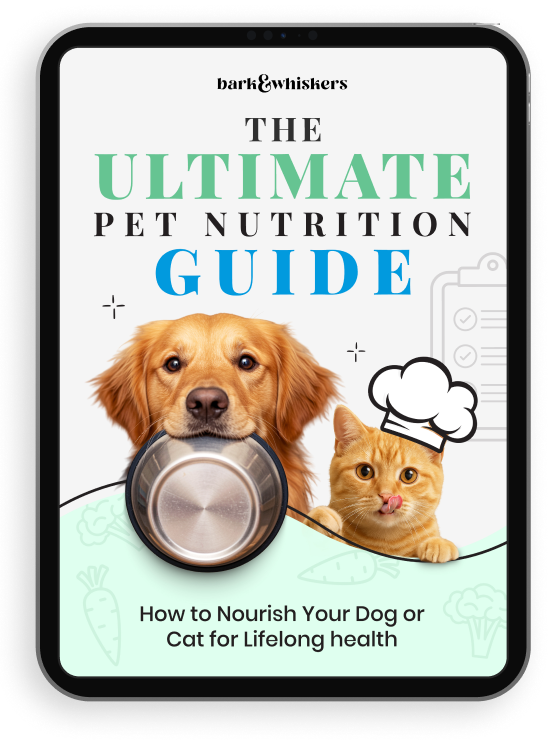
Better Health Begins in the Bowl
The Ultimate Pet Nutrition Guide was created to help dog and cat parents understand what truly supports lifelong health.
In this free guide, you’ll discover:
-

How your pet’s biology influences their nutritional needs
-
Why conventional feeding advice often falls short
-
Practical ways to choose better food for your dog or cat
View our Privacy Policy and Terms of Service.