Why This Ancient Herb Is Trending for Pet Stress
Is your pet struggling with stress from various sources? You can manage it better with this well-known herb with adaptogenic properties.
Reviewed by Dr. Tracy Duffner




Join the Bark & Whiskers™ Family
Sign up today for our FREE newsletter, packed with expert advice and insider tips to keep your beloved pet in tip-top shape.
View our Privacy Policy and Terms of Service.


STORY AT-A-GLANCE
- Common pet stress triggers include separation, loud noises, veterinary visits, new environments, and illness, which can cause digestive, immune, and behavioral problems over time
- Ashwagandha is a plant from traditional Indian medicine that helps pets manage stress by regulating cortisol levels rather than simply sedating them
- Beyond calming stress, ashwagandha supports healthy sleep, boosts immune function, reduces inflammation for joint health, and may protect cognitive function in aging pets
- Pet-safe forms of ashwagandha include chews, powders, and liquid drops. It should be introduced gradually based on weight and age guidelines
- While generally safe, ashwagandha is not a cure-all. Pets with severe anxiety or chronic illness need veterinary care, behavior training, and environmental support alongside supplementation
Stress and anxiety are becoming more common in today’s pets. In fact, a report from Animal Wellness Magazine noted that one pet insurance provider reported a 93% increase in anxiety-related claims between 2019 and 2025. That’s a huge jump — it tells you just how many pets are currently struggling.1,2
Stress does not just affect your pet’s mood. When it becomes chronic, it can lead to behavior problems and even long-term health issues. Chronic stress has been linked to digestive troubles, hormone imbalances, weaker immune function, and even skin and coat problems.3
The good news? There are natural options that can help make stress management easier. One herb that has been getting a lot of attention is ashwagandha.4,5,6
What Is Ashwagandha and How Does It Help Ease Pet Stress?
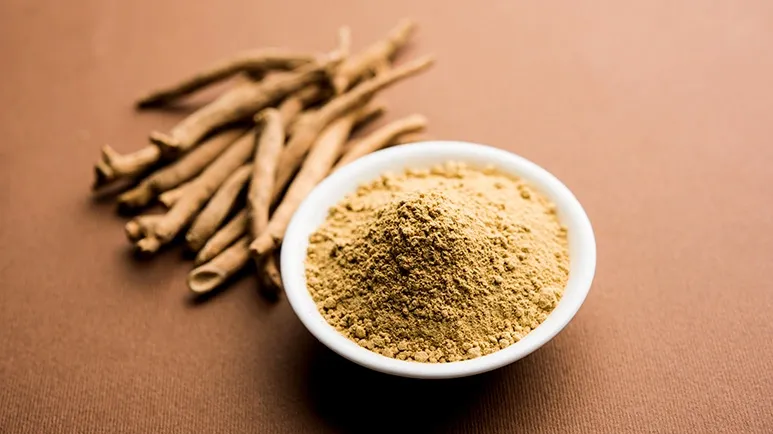
Ashwagandha is an herb used for thousands of years in traditional Indian medicine. It comes from a small, evergreen shrub and is sometimes called Indian ginseng or winter cherry.7 In the past, people have used it to support energy, calmness, and overall well-being. Today, it is also used in easing anxiety in dogs and cats.8
What makes ashwagandha applicable in both humans and animals is its adaptogenic properties, meaning it helps the body adapt to stress and return to balance. Instead of simply sedating your pet or making them drowsy, adaptogens support the body’s natural stress response.9,10,11
For example, when your pet faces a stressful event, like a car ride or fireworks, their body releases stress hormones. An adaptogen helps smooth out that response, so the stress does not hit as hard or last as long. Additional stress triggers include:
- Being left alone
- Loud noises (thunderstorms)
- Veterinary visits
- New pets or people in the home
- Moving to a new house
- Illness or aging
Dogs, in particular, struggle with anxiety. A report from Vetericyn Animal Wellness shows that about 14% of dogs in the U.S. experience separation anxiety, and 10% show signs of specific fears or anxiety disorders.12 Cats may not always show stress as clearly, but hiding, overgrooming, changes in litter box habits, or appetite changes can all be signs.
Signs Your Dog Is Stressed
It is not always obvious when your dog is stressed. Watch out for important indicators, such as13 a tucked tail, ears pinned back, tense mouth, and dilated pupils. You may also notice behavioral changes such as excessive panting, trembling or shaking, whining or barking, licking or chewing, and loose stool or diarrhea. Behavioral changes include:
- Pacing or circling
- Restlessness
- Trying to escape
- Destructive behavior
- Irritability or aggression
If you notice these signs in your pet regularly, it is important to talk with your veterinarian. You can also consider natural tools, like ashwagandha, as part of a broader plan.
How Ashwagandha Helps with Stress
Ashwagandha works in several ways to support your pet during stressful times. Here are five ways:
- Calms the stress response — Ashwagandha helps regulate stress hormones like cortisol,14,15 and as such, lower levels of it are linked with reduced stress. According to Vetericyn Animal Wellness, a standardized ashwagandha root extract can help reduce stress and anxiety in domestic dogs.16
- Supports healthy sleep — Stress and sleep are closely connected. When your pet feels anxious, they may have trouble resting. Now, certain forms of ashwagandha have been shown to support healthy sleep and reduce perceived stress. When your pet sleeps better, their mood, immune system, and overall health often improve, too.17
- Boosts the immune system — Chronic stress weakens the immune system. When stress hormones stay high, your pet may be more vulnerable to infections or experience slower recovery from illness.
Ashwagandha has been shown to support immune health by helping regulate inflammation and supporting the activity of disease-fighting cells.18,19 This can be especially helpful for senior pets or those recovering from illness. - Reduces inflammation and supports joint health — As pets age, joint stiffness and discomfort become more common. Ashwagandha contains natural compounds that help reduce inflammation.20,21 For dogs with arthritis or mobility issues, this can help lessen stiffness, improve comfort, make movement easier, and have more willingness to play.
- Supports brain and cognitive health — Just like people, pets can experience age-related cognitive changes. You might notice:
- Disorientation
- Confusion
- Changes in sleep patterns
- Forgetting routines
Other Top Adaptogens That Can Help with Pet Stress
Ashwagandha is not the only adaptogen used for pets. According to Animal Wellness Magazine, other adaptogens available for dogs and cats include:23
- Rhodiola rosea — Helps reduce mental fatigue
- Tulsi (holy basil) — Lowers cortisol
- Ginseng — Supports energy and stamina
While each has benefits, ashwagandha stands out due to its long history of use and growing research in both humans and animals.24 But to actually administer it to your pet, there is one thing to remember — never use the raw plant material. It needs to be properly processed into a safe supplement form.25
Pet-friendly options include chews or treats, powders you sprinkle over food, and liquid drops. If you are using powder, you can mix it into your pet’s wet food, or add it to treats like grass fed yogurt (for dogs) or peanut butter (dog-safe only — make sure it does not contain xylitol).
Always follow the label directions based on your pet’s weight and age.26 Start slowly and increase gradually, just as you would when changing food.
Is Ashwagandha Safe for All Pets?
Ashwagandha is safe and nontoxic when used correctly. However, like any supplement, it can cause side effects in some pets. The most common issue is mild stomach upset, including vomiting or diarrhea. If your pet has a sensitive stomach, monitor them closely. You should also be cautious if your pet is pregnant (there is a risk of miscarriage), taking other medications, or has a chronic illness.27
While ashwagandha has a long history of use, it is important to temper your expectations — it is not a cure-all. If your pet struggles with severe anxiety, aggression, or health problems, professional veterinary care is essential. Behavior training, environmental changes, exercise, and proper nutrition all play important roles.
Think of ashwagandha as one tool in your toolbox — not the only one you should rely on.
Use Ashwagandha Wisely
Your dog or cat depends on you to create a safe, comforting environment. When stress shows up, it is not just “bad behavior.” It is your pet’s body asking for help, which you can address with Ashwagandha. As shown earlier, it has a celebrated reputation for supporting balance and resilience, and those benefits can now be also enjoyed by your pets.
If your pet struggles with anxiety, aging, or stress-related health issues, talk with your veterinarian about whether a high-quality, pet-formulated ashwagandha supplement might be right for them. A calmer pet is not just happier — they are healthier, too.
Sources and References
- 1,6,9,14,17,23,24 Animal Wellness Magazine, February 10, 2026
- 2 Trupanion, May 30, 2025
- 3 Vet Med Sci. 2024 Jul 30;10(5):e1556
- 4 Front Vet Sci. 2025 Jan 22;11:1491989
- 5 Research Gate, May 2025
- 7,10,12,13,16,18,20,25,26,27 Vetericyn Animal Wellness, March 6, 2026
- 8,11,15,19,21,22 Dr. Bill’s Pet Nutrition, July 27, 2025

Better Health Begins in the Bowl

Better Health Begins in the Bowl
The Ultimate Pet Nutrition Guide was created to help dog and cat parents understand what truly supports lifelong health.
In this free guide, you’ll discover:
-

How your pet’s biology influences their nutritional needs
-
Why conventional feeding advice often falls short
-
Practical ways to choose better food for your dog or cat
View our Privacy Policy and Terms of Service.