Why This Toxic Food Is Dangerous for Your Pup
Its strong smell and high fat content can make this seem irresistible, but never let your pet near it — if ingested, even in small amounts, the effects can be alarming.
Reviewed by Dr. Tracy Duffner


Join the Bark & Whiskers™ Family
Sign up today for our FREE newsletter, packed with expert advice and insider tips to keep your beloved pet in tip-top shape.
View our Privacy Policy and Terms of Service.



STORY AT-A-GLANCE
- Chocolate contains theobromine and caffeine — two stimulants dogs cannot process well — making even small amounts dangerous
- Darker chocolates, cocoa powder, and baking chocolate carry the highest toxin levels and can cause severe symptoms quickly
- Signs of chocolate poisoning include vomiting, diarrhea, restlessness, tremors, rapid heart rate, and in severe cases, seizures or collapse
- Immediate action matters: gather details, call your veterinarian or a poison hotline, and seek treatment right away to reduce toxin absorption
- Preventing exposure through secure storage, training, and awareness — especially during holidays — remains the best way to keep your dog safe
Chocolate is a favorite treat for many households, especially around celebrations and holidays. But while you may enjoy a bite of chocolate without worry, the same is not true for your dog. In fact, it is one of the most common food-related toxins that send dogs to emergency veterinary clinics every year. Even small amounts can cause problems, and larger amounts can lead to life-threatening emergencies.
This article helps you understand how chocolate affects your dog’s body, what steps to take if exposure happens, and which types of chocolate are the most dangerous. The goal is to help you feel confident and prepared, so you can keep your dog safe — and enjoy peace of mind.
Why Chocolate Is Toxic to Dogs
Chocolate contains two ingredients that a dog’s body cannot handle well: theobromine and caffeine. These chemicals fall into a group called methylxanthines, which act as stimulants. Dogs process these compounds much more slowly than people do, so the chemicals build up in their system and become toxic.1,2,3
When these stimulants begin to accumulate, they can speed up your dog’s heart rate, overstimulate the nervous system, stress vital organs, and, in severe cases, cause tremors, seizures, and even collapse and death. Even though caffeine plays a role, theobromine is the primary toxin responsible for chocolate poisoning in dogs.
You may wonder why a small bite can sometimes cause a reaction. A dog’s sensitivity depends on several factors, which include:4
- Your dog’s body weight
- The type of chocolate
- How much was eaten
- Whether the chocolate included other harmful ingredients like raisins, macadamia nuts, or xylitol
Because these variables can change the toxicity level dramatically, no amount of chocolate is ever considered safe for dogs.
Types of Chocolate Ranked from Most to Least Dangerous
Not all chocolate is equally toxic. The darker and more concentrated the chocolate, the more theobromine it contains. This means your dog can get sick from a much smaller amount.5 Here is a general ranking from most dangerous to least:
- Cocoa powder (highest theobromine content)
- Unsweetened baking chocolate
- Semisweet chocolate
- Dark chocolate
- Milk chocolate
Even though white chocolate contains almost no theobromine, it is still unsafe due to extremely high fat and sugar content, which can trigger digestive upset and pancreatitis.6 A dose of 20 mg of methylxanthines per kilogram of body weight can cause mild toxicity, while 40 to 50 mg/kg can cause heart symptoms, and 60 mg/kg or more can lead to seizures.7 This means even one ordinary milk chocolate bar may be enough to seriously harm a small dog.
How Chocolate Affects Your Dog’s Body
Once eaten, theobromine begins to irritate the digestive system. This can cause vomiting or diarrhea, often with a noticeable chocolate smell. As levels rise in the bloodstream, the chemicals start to affect your dog’s heart, muscles, and brain. Here is how toxicity progresses at different dose ranges:8
- Stage 1 (20+ mg/kg) — Hyperactivity, agitation, drooling, vomiting, and diarrhea
- Stage 2 (40+ mg/kg) — Rapid heart rate, high blood pressure, and possible arrhythmias
- Stage 3 (60+ mg/kg) — Tremors, muscle twitching, and seizures
- Stage 4 (>100 to 200 mg/kg) — Risk of serious complications or death9
Theobromine has a long half-life, so signs may not appear for six to 12 hours (though they can appear within one to four hours) after ingestion and may last up to 72 hours.10,11 This delayed onset is one of the reasons chocolate poisoning is so dangerous: Your dog may seem fine at first, but symptoms can build silently beneath the surface.
Symptoms You May Notice After Your Dog Eats Chocolate
Symptoms can range from mild to severe depending on how much chocolate your dog consumed. Signs often begin several hours after ingestion, though they can appear sooner if your dog ate a large amount. Common early signs include:
- Vomiting
- Diarrhea
- Excessive thirst or urination
- Restlessness or pacing
- Hyperactivity
- Shaking or trembling
Meanwhile, more serious symptoms may develop later on, including:12
- Elevated or abnormal heart rate
- Muscle tremors
- High body temperature
- Collapse
- Seizures
Older dogs and dogs with heart disease are at even higher risk of sudden complications. If you notice any of these signs, or if you know chocolate was eaten even without symptoms, you should treat the situation as an emergency.
What to Do if Your Dog Eats Chocolate
If your dog gets into chocolate, every minute matters. Taking quick, calm action can help reduce how much toxin enters their system and can make a big difference in their outcome. Follow these steps:
- Stay calm and assess the situation — Panic will not help your dog, but quick action will. Before you contact a veterinarian, gather some important information:
- How much chocolate your dog may have eaten
- What type of chocolate it was
- The ingredients and whether it contained raisins, nuts, or xylitol
- Your dog’s weight
- How long ago ingestion likely occurred
- Call your veterinarian or a poison helpline — You should contact your veterinarian immediately if you know or suspect your dog ate chocolate. If the clinic is closed, call a veterinary emergency center or a pet poison hotline. Your veterinarian may either ask you to monitor your dog at home or suggest bringing your dog in for treatment. If ingestion was within the past two hours, they may also recommend inducing vomiting.
- Seek veterinary treatment — If ingestion occurred recently, your veterinarian may induce vomiting to remove toxins before they reach the bloodstream. Activated charcoal may also be used to prevent further absorption and hepatic recycling, especially in moderate to severe cases. For more serious toxicity, your dog may need to be admitted to the veterinary clinic for overnight observation and given IV fluids and/or medications to manage arrhythmia, high blood pressure, high body temperature, and tremors. Their heart function will also be monitored.
Some natural health resources discuss using hydrogen peroxide to induce vomiting or giving activated charcoal at home. However, these steps should only be taken under veterinary guidance, because incorrect usage and dosing can cause harm.13 Because poisoning severity can change quickly, veterinary oversight is always safest.
Other Dangers Hidden in Chocolate Treats
While chocolate itself is harmful, many chocolate items contain additional toxins that can worsen the situation. These include:
- Xylitol — Some chocolate candies and sugar-free desserts include xylitol, a sweetener that can cause rapid drops in blood sugar and liver damage in dogs.
- Raisins — Raisins or raisin-filled chocolates pose a risk of acute kidney failure.
- Macadamia nuts — These nuts can cause weakness, tremors, and severe lethargy even in small amounts.
- High sugar and fat — Even if the theobromine content is low, chocolate can irritate your dog’s stomach or cause pancreatitis due to excessive fat and sugar.
Whenever you discover your dog has eaten any type of chocolate candy, especially one with added ingredients, call a veterinarian right away.
Why Small Dogs Face Greater Risk
Dogs of all sizes can suffer chocolate poisoning, but small dogs can experience symptoms after extremely small amounts. For example, a 10-pound dog may show signs of Stage 1 poisoning after consuming the equivalent of about five chocolate chip cookies.14
The same amount may hardly affect a much larger dog, but size alone should never determine whether you seek help. Even large dogs can become seriously ill after eating dark chocolate or baking chocolate.
Small breeds like Chihuahuas, Yorkies, and toy poodles are especially vulnerable because toxic levels build faster in their bodies and they cannot process stimulants effectively. Even “harmless” amounts can exceed dangerous thresholds, so if you have a small dog, extra precautions are essential.
How Long Does Chocolate Poisoning Last?
Symptoms can last anywhere from 24 to 72 hours, depending on the amount eaten and how quickly treatment begins.
Because theobromine remains in the system for a long time, dogs may experience recurring symptoms as their body works to clear the toxin. This slow elimination is another reason prompt care makes a big difference.
Safer Alternatives to Chocolate for Dogs
Even though chocolate is unsafe, you do not have to leave your dog out of celebrations. There are several safe treat options that deliver the same sense of indulgence:
- Carob — It looks and tastes similar to chocolate, but it does not contain theobromine or caffeine. Many dog treats use carob to offer chocolate-like flavor without the risks.
- Dog-safe bakery items — Many pet bakeries create special cookies, cakes, and confections made with canine-safe ingredients.
- High-value single ingredients — Blueberries, freeze-dried meats, or sweet potato chews are good choices.
Giving your dog a safe treat keeps celebrations joyful without risking a toxic reaction.
How to Prevent Chocolate Poisoning in the First Place
Prevention is always easier — and safer — than treatment. Most chocolate poisoning cases happen because a dog gets into something unintentionally. Here are simple habits that can dramatically lower the risk:
- Store chocolate where your dog cannot reach — Keep all chocolate, including cocoa powder, baking chocolate, holiday candy, and hot cocoa mix, in a closed cabinet or on a high shelf. Be especially careful during holidays like Valentine’s Day, Easter, Halloween and Christmas. When sugary treats are more accessible, curious noses find them fast.
- Teach a strong “Leave It” command — This command helps prevent your dog from grabbing food that drops on the floor or sits within reach. Practice regularly so your dog responds without hesitation.
- Crate train when you are away — Crate training keeps your dog safe when unsupervised and reduces the chance of them scavenging harmful items. A crate should feel like your dog’s personal den — comfortable, cozy, and stress-free.
- Educate family and visitors — Kids and guests may not realize dogs cannot eat chocolate. Remind them not to leave candy in purses, backpacks, or low tables.
Final Thoughts — Protecting Your Dog from a Preventable Danger
Chocolate poisoning is scary, but it is also completely preventable. By understanding how chocolate affects your dog, recognizing symptoms early, and acting quickly, you can reduce risks and keep your dog safe. While accidents happen, being prepared and informed makes all the difference.
With cautious storage, strong training habits, and awareness during holidays, you can help ensure your dog never encounters this toxic food. And if an emergency does occur, prompt action gives your dog the best chance at a full recovery.
Your pup relies on you to make safe choices. With a little planning and vigilance, you can keep chocolate off their menu — and keep their tail wagging for years to come.
Sources and References

Better Health Begins in the Bowl
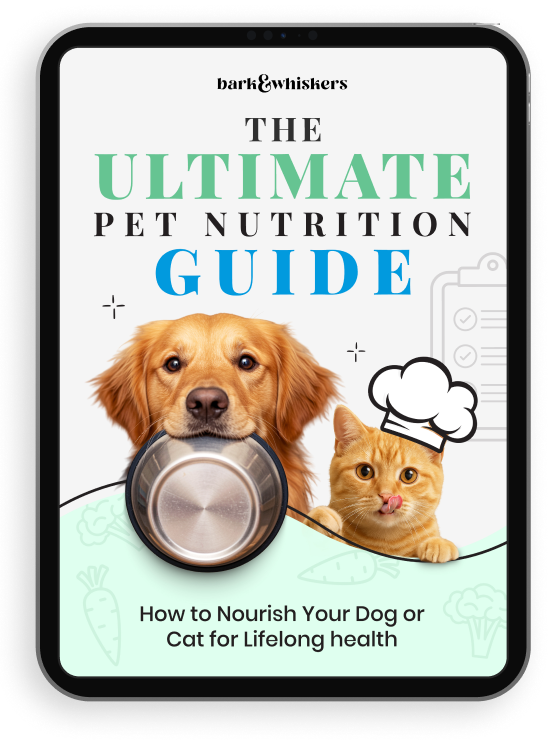
Better Health Begins in the Bowl
The Ultimate Pet Nutrition Guide was created to help dog and cat parents understand what truly supports lifelong health.
In this free guide, you’ll discover:
-

How your pet’s biology influences their nutritional needs
-
Why conventional feeding advice often falls short
-
Practical ways to choose better food for your dog or cat
View our Privacy Policy and Terms of Service.