Spot This in Your Dog's Eyes? It's Time to Act Quickly
Learn about the most common types of dog eye discharge, what each might mean, and what to do when you spot it.
Reviewed by Dr. Tracy Duffner


Join the Bark & Whiskers™ Family
Sign up today for our FREE newsletter, packed with expert advice and insider tips to keep your beloved pet in tip-top shape.
View our Privacy Policy and Terms of Service.


STORY AT-A-GLANCE
- There is a clear difference between mild morning goop and signs of infection, irritation, or dry eye that need immediate attention
- From tear stains to green gunk, each type of eye discharge tells a different story about your dog’s health
- Rusty brown stains on light-colored dogs may signal diet issues, blocked ducts, or skin infections beneath the surface
- Reducing irritants, improving diet, and using safe home cleaning techniques can ease your dog’s weepy eyes naturally
- If you see yellow-green discharge, swelling, squinting, or signs of pain, do not wait — get your dog checked by a veterinarian right away
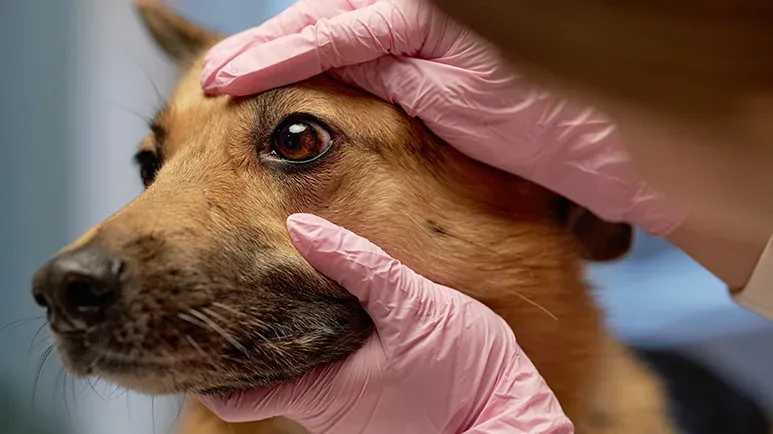
When your dog looks up at you with those big, expressive eyes, it is easy to melt. But if you notice something unusual, like constant tear stains, green gunk, or sticky goop, it could be a sign that something is not right.
While a little “eye booger,” particularly first thing in the morning, is usually harmless, persistent discharge or changes in appearance can be your dog’s way of saying, “Help me!”
What Is Eye Discharge, and Why Do Dogs Get It?
Your dog’s eyes are equipped with tear glands and ducts just like yours. Tears help lubricate the eyes, nourish the surface, and wash away dust or debris. But when the tear system doesn’t work properly, or when the eyes are irritated or infected, discharge happens.
A small amount of crust or “eye gunk” in the morning can be normal. It is generally a mix of dried tears, oil, mucus, and tiny particles from the environment. You will usually find this harmless debris in the corners of your dog’s eyes when they wake up. A quick wipe with a damp cloth or pet-safe eye wipe is all it takes. However, not all eye discharge is normal.
5 Common Types of Eye Discharge in Dogs
Not all eye discharge is the same — and some types are more medically serious than others. Here is how to tell what your dog’s eye gunk might mean and when to worry.
- Goop or crust in the corners — If your dog has a little crust or clear goo near the inside corners of the eyes, especially in the morning, it is usually nothing to worry about. These “eye boogers” are common and usually dry quickly. They should not increase in amount over time. Watch for these red flags — if any of these signs appear, it is time for a veterinary visit:2
- Red eyes
- Squinting or blinking
- Pawing at the face
- Light sensitivity
- Watery eyes (tears that do not stop) — Watery eyes, or “epiphora,”3 mean your dog’s eyes are either making tears excessively or the tears are not draining properly. You might notice wet streaks on the fur beneath the eyes or damp spots on their bed or face. Possible causes include:
- Allergies
- Dust, pollen, wind, or other mechanical irritants
- Eyelash or eyelid issues (eyelids rolling inward or outward, eyelashes rubbing the eye)
- Blocked tear ducts
- Eye ulcers or scratches on the eye surface (cornea)
- Conjunctivitis (inflammation of the tissues around the eye)
- Glaucoma (increased eye pressure)
- Reddish-brown tear stains — Light-colored dogs like Maltese, Shih Tzus, or Poodles are known for those rusty-looking stains beneath their eyes. This is not just about wet fur — it is a chemical reaction. Tears contain iron-rich compounds called porphyrins. When exposed to air, these oxidize and leave behind a red or brown stain.
Tear stains are mostly cosmetic, but if they worsen or are joined by other symptoms, they could point to an underlying issue such as:
- Blocked tear ducts
- Allergies
- Diet-related inflammation
- Skin infections (especially with yeast or bacteria)
- White-gray mucus — If you spot thick, white-gray or green discharge, it might mean your dog is not producing a quality tear film. This condition, called dry eye or keratoconjunctivitis sicca (KCS),7 can be painful. In the majority of dog KCS cases, the glands that produce tears do not make the aqueous (water) portion of the tear film well, so the tears are primarily composed of mucous and lipids (fats), which are thicker. Signs of dry eye:
- Red eyes
- Thick, stringy discharge
- Squinting
- Rubbing the face
- Cloudy corneas
- Pigmented corneas
- Dry, rough appearance to the corneas
- Loss of vision if untreated
- Yellow or green discharge — This is a big red flag. Yellow or green gunk usually means there is an infection in or around the eye. It could be caused by bacteria, viruses, or another health problem like respiratory illness. Symptoms to watch for include:
- Swollen eyelids
- Bright red eyes
- Pain or pawing
- Eye completely shut
- Behavior changes like hiding or low energy
What Causes Weepy Eyes in the First Place?
While every dog is different, there are a few common reasons behind those weepy eyes. Understanding the root cause is the first step toward finding the right solution and keeping your dog comfortable and clear-eyed.10
- Environmental irritants — Household chemicals, scented candles, air fresheners, and cleaning sprays can all irritate your dog’s sensitive eyes. Smoke from cigarettes or fireplaces can be just as irritating.
- Diet and food sensitivities — Many dogs react to common components in commercial kibble — especially high carbohydrate content, rendered fats, and inflammatory byproducts of high heat processing, in addition to ingredients such as dairy, chicken, and beef. If your dog’s eyes water after meals or if they are on an ultraprocessed diet, internal inflammation might be to blame.
Simple dietary changes can make a big difference, such as, switching to a fresh, whole-food diet, avoiding artificial preservatives and colorings, and choosing high-quality treats made from real ingredients. Talk to your veterinarian to see what diets or home cooking recipes might be right for your pet. Your veterinarian may also talk to you about an elimination diet or a limited ingredient diet to look for allergies to specific foods. - Breed-specific factors — Short-nosed (brachycephalic) breeds like Pugs, Bulldogs, and Shih Tzus are more prone to weepy eyes. Their big, bulging eyes and tight facial folds make proper tear drainage harder. Other breeds with long facial hair may also suffer from blocked ducts or matted fur that irritate the eyes.11
- Other medical causes — Internal inflammation from infections, dental issues, stress, endocrine disease, or autoimmune conditions can all impact tear production and eye health. Trauma or old age can also play a role.
This is why it is important not to ignore eye issues — they might be a symptom of something bigger happening inside your dog’s body.12
When to Call the Veterinarian
If you are unsure whether your dog’s eye issue is something minor or a sign of a more serious problem, below are the warning signs that mean it is time to call the veterinary clinic:13
- Has yellow or green eye discharge
- Is squinting or cannot open their eye
- Has red or cloudy eyes
- Keeps pawing at their face
- Seems in pain or sensitive to light
- Has eye swelling or puffiness
- Is not improving after 24 hours of home care
Early treatment can prevent bigger problems, like eye ulcers, vision loss, or chronic conditions like dry eye. With eyes, problems can get very serious very quickly; always err on the side of caution and consult with your veterinarian sooner rather than later.
Home Care — Keeping Your Dog’s Eyes Clean
If your dog’s eyes look normal (no redness, no colored discharge, and no signs of pain), you can try these simple home remedies:
- For daily eye cleaning — Use a cotton pad soaked in cooled, boiled or filtered water to gently wipe away gunk or tear stains. Do this two to three times a day as needed.
- For stubborn crusts — Apply warm water and hold the cotton pad in place for a few seconds to soften the crust. Wipe gently, without rubbing.
- For white-coated dogs — Keep facial fur trimmed to reduce matting and staining. Ask your veterinarian about pet-safe tear stain removers if needed.
Pro tip: Distract your dog during eye cleaning with peanut butter on a lick mat or a favorite chew toy.
Natural Ways to Support Your Dog’s Eye Health
If you are looking to support your dog’s eye health beyond basic care and want to take a more natural, holistic approach, consider these gentle, veterinarian-informed solutions. They can help reduce irritation and promote healthier eyes from the inside out.14
- Golden turmeric paste — Turmeric contains curcumin, a powerful anti-inflammatory. A homemade paste can help reduce inflammation that might be contributing to watery eyes.
- Omega-3 fatty acids — Adding fresh, oily fish like sardines once or twice a week supports eye, skin, and immune health. You can also use high-quality fish oil, krill oil, or algae-based omega-3 supplements.
- Eyebright (Euphrasia) — This traditional herb has long been used to soothe irritated eyes and may help reduce mild tearing or inflammation.
However, remember to always consult your veterinarian before starting new supplements or herbal remedies.
Final Thoughts — Trust Your Gut (and Your Dog’s Eyes)
Your dog cannot tell you when something is wrong, but their eyes often can. If you see yellow or green discharge, excessive watering, or signs of pain, do not wait. Eye problems can worsen quickly and may signal deeper health issues. A quick visit to the veterinary clinic can make all the difference.
On the other hand, a little morning crust? That is probably just your dog’s version of sleep in their eyes.
When in doubt, clean gently, watch closely, and reach out to your veterinarian if anything seems off. Those beautiful eyes do a lot more than look cute — they are a window to your dog’s health.
Let your dog’s eyes shine bright, clear, and healthy. Because seeing the world should never hurt.
Sources and References
- 1 IOSR Journal of Agriculture and Veterinary Science 14(7):19-26, July 2021
- 2,8,9 PetMD, November 10, 2023
- 3 VCA Hospitals, Eye Discharge (Epiphora) in Dogs
- 4,11,13 Joii, October 16, 2025
- 5,10,12,14 Dogs First, June 8, 2023
- 6 VCA Hospitals, No need to cry over tear staining
- 7 Cornell University College of Veterinary Medicine, December 2, 2025

Better Health Begins in the Bowl
Better Health Begins in the Bowl
The Ultimate Pet Nutrition Guide was created to help dog and cat parents understand what truly supports lifelong health.
In this free guide, you’ll discover:
-

How your pet’s biology influences their nutritional needs
-
Why conventional feeding advice often falls short
-
Practical ways to choose better food for your dog or cat
View our Privacy Policy and Terms of Service.