A Small but Mighty Nutrient for Your Pooch's Wellness
Learn why this vitamin is the unsung hero behind your dog's strong immune system and shiny coat.
Reviewed by Dr. Tracy Duffner


Join the Bark & Whiskers™ Family
Sign up today for our FREE newsletter, packed with expert advice and insider tips to keep your beloved pet in tip-top shape.
View our Privacy Policy and Terms of Service.



STORY AT-A-GLANCE
- Vitamin E is an essential antioxidant that protects your dog’s cells from damage, strengthens the immune system, and supports healthy skin, muscles, and organ function throughout life
- Most dogs get enough vitamin E from complete, balanced diets, but dogs on high doses of fish oil or improperly balanced meals may need additional supplementation under veterinary guidance
- Signs of vitamin E deficiency can include itchy skin, muscle weakness, poor coordination, or fatigue — conditions your veterinarian can diagnose and correct through testing
- Supplementing vitamin E can help dogs with arthritis, skin allergies, liver disease, or cognitive decline, but chronic overdosing may interfere with other fat-soluble vitamins and cause imbalances in the body
- Always consult your veterinarian before adding vitamin E or any supplement; your veterinarian will determine if your dog needs more and will recommend the safest form and dosage
When you think about your dog’s health, you might focus on protein, omega-3s, or maybe probiotics. But there is one nutrient that quietly works behind the scenes to keep your dog’s body running smoothly: vitamin E.
Though it might not get the same spotlight as vitamin C or fish oil, vitamin E is a true powerhouse. It supports your dog’s immune system, protects their cells from damage, keeps their coat shiny, and helps them bounce back from everyday stress. And yet, most pet parents rarely think about it.
What Exactly Is Vitamin E?
Vitamin E is an essential nutrient, which means your dog’s body cannot make it on its own1 — they need to get it through their diet. It is a fat-soluble antioxidant, meaning it is stored in the body’s fatty tissues and helps protect cells from everyday wear and tear.2,3
Every time your dog breathes, eats, or plays, their body naturally produces unstable molecules called free radicals. These molecules can damage cells in a process similar to how metal rusts when exposed to oxygen. Vitamin E acts like a microscopic bodyguard, neutralizing these free radicals before they can cause harm.
This protection is especially important for your dog’s organs, muscles, skin, and immune system — areas that are constantly exposed to oxidative stress from diet, exercise, or environmental toxins.
Where Does Vitamin E Come From?
Vitamin E occurs naturally in many foods. Good dietary sources include wheat germ, sunflower seeds, almonds, peanuts, spinach and other leafy greens, broccoli, and even small amounts in fish, such as sardines and wild-caught salmon, and eggs.4,5,6,7
The form of vitamin E that provides the biggest biological benefit is alpha-tocopherol, which is the active version your dog’s body uses.
The good news? If you feed your dog a complete and balanced commercial diet, they are almost certainly getting enough vitamin E already. Dog food companies routinely add vitamin E both as a nutrient and as a natural preservative to keep fats from spoiling.
That means for most healthy dogs, extra vitamin E supplements are not necessary, unless your veterinarian recommends them for a specific reason.
The Big Benefits of Vitamin E
Vitamin E plays a lot of behind-the-scenes roles in your dog’s body. Here are the top ways it keeps your furry friend thriving:8,9,10
- Strengthens the immune system — Vitamin E helps white blood cells do their job: identifying and fighting off infections and viruses. It also helps protect the immune cells themselves from oxidative stress, keeping your dog’s natural defenses strong as they age or recover from illness.
- Supports skin and coat health — If your dog’s coat looks dull or their skin gets dry or itchy, vitamin E might help. As an antioxidant, it calms inflammation and helps repair skin cells damaged by allergies, harsh weather, or minor irritations. Some pet parents even apply vitamin E oil topically on rough paw pads or crusty noses for a natural moisture boost.
- Reduces inflammation — Inflammation is at the root of many chronic conditions — from arthritis to skin allergies. Vitamin E helps reduce that internal “fire,” which may ease joint stiffness and skin irritation. Combined with omega-3 fatty acids from krill or fish oil, it can support mobility and comfort in older dogs.
- Keeps cells and muscles healthy — Inside your dog’s body, vitamin E protects the membranes that surround every cell. This helps maintain muscle strength and prevents breakdown of tissues, especially in active or aging dogs. Some research also links adequate vitamin E with improved circulation and fertility.
- Supports brain and vision health — While more research is still unfolding, vitamin E appears to play a role in maintaining neurological function and protecting vision — especially as dogs get older. This, in combination with other antioxidant and omega-3 supplements, can play an especially important role in slowing or preventing cognitive decline.11
Signs of Vitamin E Deficiency
While rare, low vitamin E levels can cause a variety of symptoms that affect your dog’s comfort and energy. Watch for:12,13,14
- Dry, itchy, or flaky skin
- Muscle weakness or pain
- Poor coordination or tremors
- Reproductive problems
- Lethargy or vision issues
- Lumps or inflammation in body fat (steatitis)
If your dog shows any of these signs, your veterinarian can run a blood test to measure vitamin E levels. Never try to self-diagnose or supplement on your own — too much of a good thing can be harmful.
Can Dogs Get Too Much Vitamin E?
Vitamin E is generally considered safe, but like most fat-soluble vitamins (A, D, E, and K), it can build up in the body if over-supplemented.
Too much vitamin E may interfere with the absorption of other important nutrients — particularly vitamin K — which can cause clotting problems or excessive bleeding in rare cases.15
Short-term overdoses usually just cause mild stomach upset, like vomiting or diarrhea. But chronic over-supplementation can throw your dog’s nutrition off balance. That is why it is always best to work closely with your veterinarian before giving any supplement.
Vitamin E for Specific Health Conditions
Veterinarians sometimes recommend vitamin E for certain conditions beyond general wellness. Here are a few examples:16,17
- Arthritis and joint pain (may help reduce inflammation and support mobility)
- Skin allergies or dermatitis (calms itching and helps to repair the skin barrier)
- Liver disease (helps protect liver cells from oxidative damage)
- Cognitive dysfunction (supports brain function in older dogs)
- Muscle inflammation or myositis (reduces tissue breakdown and pain)
- Degenerative myelopathy (high doses, under veterinary supervision, may slow progression)
Again, these uses are therapeutic, meaning the dosage and duration depend entirely on your dog’s health condition. Always follow your veterinarian’s instructions precisely.
When to Talk to Your Veterinarian
If you are thinking about adding vitamin E to your dog’s diet, whether as a supplement or through fortified food, start with a veterinary consultation. They can:
- Check if your dog’s current food already provides adequate vitamin E.
- Run a simple blood test to check levels if needed.
- Recommend the correct form and dosage.
- Monitor for any side effects or interactions with other medications.
Your veterinarian may also tailor vitamin E supplementation to your dog’s age, breed, lifestyle, and medical history. For example, senior dogs, those on special diets, or those recovering from illness may benefit most.
A Tiny Nutrient with a Big Impact
Vitamin E might be small, but its role in your dog’s health is mighty. From strengthening immunity and calming inflammation to keeping skin supple and cells healthy, this vitamin works quietly but powerfully in the background.
You do not need to overthink it — most dogs get all they need from a high-quality diet. But knowing what vitamin E does, and when your dog might need more, helps you stay one step ahead in caring for their long-term wellness.
So next time you check the back of your dog food bag or bottle of fish oil, take a quick look for “vitamin E.” That little line on the label represents a nutrient that is working hard every single day to keep your pup healthy, happy, and shining from nose to tail.
Sources and References
- 1 Journal of Animal Science, Volume 102, 2024, skae153
- 2,4,9,13,17 PetMD, June 30, 2025
- 3,5,8,12 Chewy, June 24, 2025
- 6 NIH, Vitamin E
- 7 USDA National Agricultural Library, Nutrients: Vitamin E (alpha-tocopherol) (mg)
- 10,14,15,16 Whole Dog Journal, Vitamin E for Dogs: What You Should Know
- 11 GeroScience. 2025 Jan 18;47(3):2925–2947

Better Health Begins in the Bowl
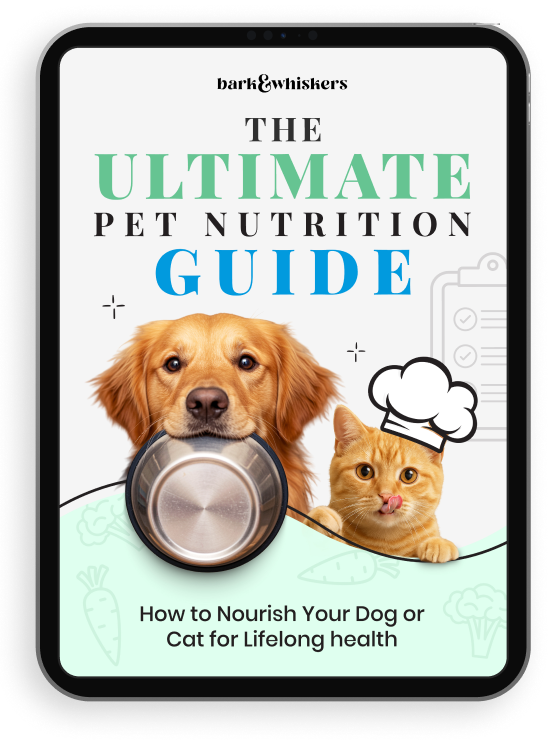
Better Health Begins in the Bowl
The Ultimate Pet Nutrition Guide was created to help dog and cat parents understand what truly supports lifelong health.
In this free guide, you’ll discover:
-

How your pet’s biology influences their nutritional needs
-
Why conventional feeding advice often falls short
-
Practical ways to choose better food for your dog or cat
View our Privacy Policy and Terms of Service.