Could This Simple Add-On Change Your Pet's Life?
This oil has become one of the most talked-about supplements in pet care. Understanding what it actually does, how it works, and how to choose the right form makes all the difference for your pet's health.
Reviewed by Dr. Tracy Duffner




Join the Bark & Whiskers™ Family
Sign up today for our FREE newsletter, packed with expert advice and insider tips to keep your beloved pet in tip-top shape.
View our Privacy Policy and Terms of Service.


STORY AT-A-GLANCE
- Fish oil has become a common pet supplement because it supplies eicosapentaenoic acid (EPA) and docosahexaenoic acid (DHA), the bioavailable omega-3 fats your pet’s body can use directly
- Fish oil supplementation has been associated with improvements in skin and coat condition, joint comfort, cognitive function, heart health, and kidney support in dogs and cats
- Many modern pet foods are high in omega-6 fats, which increases the importance of omega-3 intake to help maintain a healthier nutritional balance
- Fish oil quality varies widely, and factors like formulation, freshness, sourcing, and testing strongly influence whether it provides benefits or creates unnecessary risks
- Another good source of EPA and DHA is krill oil, which provides these fats in a phospholipid form that supports efficient absorption, improved stability, and lower dosing over long-term use
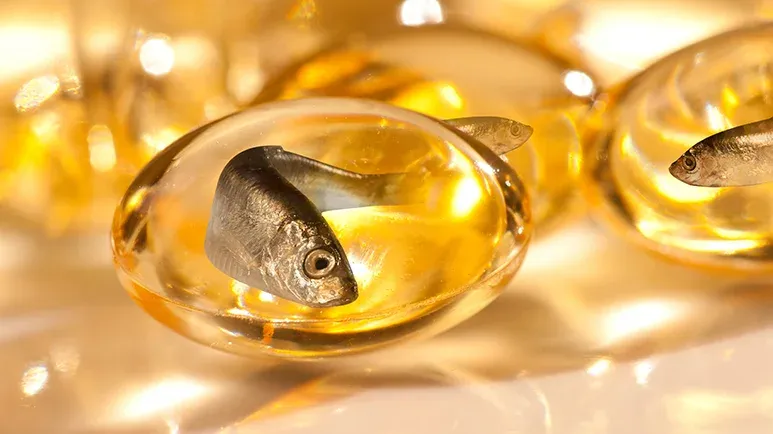
You have probably noticed fish oil on the shelves at your pet store, heard your veterinarian mention it during a checkup, or seen other pet owners talking about it in online forums. Fish oil has worked its way into everyday pet care, becoming one of the most commonly added supplements for dogs and cats. Many pet parents swear by its multiple benefits, from shinier coats and better mobility to overall vitality.
As interest in fish oil has grown, so has the range of options available. It comes in a variety of forms, and each product offers guidance that can vary from one label to the next. When you are trying to make choices that genuinely support your pet’s long-term well-being, it helps to understand what fish oil is meant to provide and how it fits into a broader approach to everyday nutrition.
What Makes Fish Oil Beneficial for Your Pet?
Not all fats play the same role in your pet’s body. Some make food taste more appealing, supply concentrated energy, support temperature regulation, and help your pet absorb fat-soluble vitamins. These are known as facilitative fats, and they are handled efficiently by dogs and cats as everyday fuel.1
Other fats serve a different purpose. Rather than acting primarily as fuel, they influence how cells function, how inflammatory signals are produced, and how tissues hold up to daily wear. Fish oil belongs to this group, known as functional fats, because their effects extend beyond basic energy supply and into regulatory processes that shape long-term health.2
The functional value of fish oil comes from two omega-3 fatty acids it provides — eicosapentaenoic acid (EPA) and docosahexaenoic acid (DHA). These are the bioavailable forms your pet’s body directly uses. Dogs and cats have limited ability to produce EPA and DHA on their own, which means they depend on dietary sources to maintain adequate levels, especially as they age or experience inflammation, skin issues, or mobility changes.3
This dependence becomes more relevant when you consider how most commercial pet foods are formulated. Many modern diets contain high levels of omega-6 fats from grains, vegetable oils, and meat sourced from corn- and soy-fed animals. While omega-6 fats serve important roles, the ratio to omega-3 fatty acids is very important and they increase inflammation when they dominate your pet’s diet. Supplying EPA and DHA through fish oil or other marine sources helps bring that balance back toward what your pet’s physiology is designed to handle.4
7 Benefits of Fish Oil for Dogs and Cats
The omega-3s in fish oil have been shown to support several areas of your pet’s health, including:
- Skin and coat — Many pets show noticeable improvements in their skin and coat condition with increased DHA and EPA intake. By supporting the skin barrier and inflammatory responses to environmental triggers, these omega-3s can help ease itching and irritation associated with allergies or inflammatory skin conditions, while making the coat shinier and healthier-looking.5
- Joint comfort and mobility — Dogs and cats with arthritis or joint discomfort often experience reduced inflammation and improved mobility with adequate omega-3 intake. Studies show animals seem more comfortable and willing to engage in activities they had been avoiding due to joint pain after they were given fish oil.6
- Brain development and cognitive support — DHA plays a central role in puppies and kittens during their early months, supporting proper brain and eye development. Studies show that young dogs fed higher levels of DHA performed better on problem-solving tasks, demonstrated improved learning ability, and showed stronger retention of training compared to those receiving lower amounts.7
- Cognitive function in aging pets — As your pet grows older, DHA continues to support neural integrity. Higher DHA availability has been associated with better recognition of familiar people and environments, steadier behavior patterns, and improved engagement with daily routines. While aging is unavoidable, supporting the brain’s structural needs helps maintain cognitive function and preserves quality of life for longer.8
- Heart health — EPA and DHA help reduce the risk of irregular heart rhythms and may prevent blood clot formation in pets with cardiovascular concerns. For dogs with existing heart conditions, supplementation appears to help slow disease progression and support overall cardiac function.9,10,11
- Kidney health — Kidney tissue is highly sensitive to ongoing inflammation, particularly in chronic kidney disease. Omega-3 intake has been linked to improved blood pressure regulation, reduced inflammatory signaling, and slower functional decline. In cats with kidney disease, higher EPA intake has been associated with longer survival.12
- Cancer support — While research continues in this area, some studies have shown slower tumor growth in animals receiving omega-3 supplementation, suggesting a beneficial role in supporting pets with certain types of cancer.13
Key Considerations When Using Fish Oil
While omega-3 fatty acids themselves are valuable, fish oil as a delivery system has some inherent limitations worth understanding. Its structure, sourcing, and dosing all influence its efficacy. Here are some considerations to keep in mind:14
- Oxidation and rancidity — Fish oil is highly sensitive to heat, light, and oxygen because its omega-3 fats contain multiple double bonds. Exposure during processing, shipping, or everyday storage gradually alters the oil, even before obvious spoilage appears.
As oxidation progresses, the oil generates reactive byproducts that increase oxidative stress rather than supporting inflammatory balance. Without careful handling, proper packaging, and cold storage, the biological value of the oil diminishes long before the bottle is empty. - Contaminants and environmental load — Fish accumulate heavy metals like mercury, lead, and arsenic, along with other industrial pollutants from ocean contamination. These substances can concentrate in fish oil unless the product goes through proper purification processes. Third-party testing and certificates of analysis provide assurance that a product meets safety standards and limits the toxic burden associated with marine-derived supplements.
- Digestive upset and side effects — Some pets experience diarrhea, nausea, or acid reflux from fish oil, particularly at higher doses. Fish oil can also "thin the blood" (impair clotting function), which becomes relevant for pets on certain medications or those with bleeding disorders. It may affect blood sugar and blood pressure as well, requiring closer monitoring in pets with diabetes or cardiovascular conditions.
These potential drawbacks show that while fish oil has meaningful benefits, it also comes with some real risks. This is why selecting a high-quality product, consulting your veterinarian, and using the product appropriately are important steps to making fish oil a supportive part of your pet’s routine.
How to Choose a High-Quality Fish Oil
Selecting a fish oil for your pet involves more than checking the front label or choosing a familiar brand. Quality depends on how the oil is sourced, processed, and protected from degradation, as well as how clearly the manufacturer communicates what is actually in the product. Here is what you need to keep in mind when choosing a product for your pet:15,16
- Look for clearly stated EPA and DHA amounts — Total omega-3 content does not tell you how much of the oil your pet can actually use. EPA and DHA should be listed individually with specific amounts per serving, allowing you to understand the functional dose rather than relying on broad marketing claims.
- Choose the triglyceride form — Fish oil that retains its natural triglyceride structure (as opposed to the chemically modified ethyl ester form) is absorbed more efficiently by your pet’s digestive system. This form aligns with how fats are normally processed, supporting more predictable uptake and reducing unnecessary metabolic strain.
- Prioritize stability and packaging — Opaque containers, refrigeration guidance, and shorter shelf lives all signal attention to reduction of oxidation risk. Oils stored in clear bottles or without clear handling instructions are more likely to degrade before they are fully used.
- Verify third-party testing — Certificates of analysis provide documentation that the oil meets safety standards for contaminants and delivers the stated fatty acid content. Access to this testing reflects transparency and quality control beyond the minimum requirements.
- Pay attention to species and sustainability — Fish oil sourced from smaller species tends to carry a lower toxic burden, since contaminants accumulate as you move up the marine food chain. Products that are sustainably harvested or MSC-certified offer additional assurance around environmental impact and sourcing standards.
Cod liver oil also requires caution, as it is rich in vitamins A and D but does not provide EPA and DHA in amounts that make it an efficient essential fatty acid source.
Krill Oil Is Also an Optimal EPA and DHA Source
Krill oil offers another way to provide EPA and DHA that aligns closely with how your pet’s cells naturally handle fats. In krill, these omega-3 fatty acids are bound to phospholipids rather than triglycerides. Phospholipids form the outer structure of cell membranes throughout the body, which means the fats delivered in this form integrate smoothly into tissues.
Because phospholipid-bound omega-3s follow pathways the body already uses to build and maintain membranes, cellular uptake tends to be more efficient. Your pet’s system does not need to rely as heavily on digestive enzymes to separate and reassemble fatty acids before they become useful. This improved absorption allows smaller amounts of EPA and DHA to achieve meaningful biological effects, which often translates into lower daily doses compared with standard fish oil.
Krill oil also carries natural antioxidant protection that supports stability from production through storage. Compounds such as astaxanthin help protect the omega-3 fatty acids from oxidative damage, preserving their functional integrity as they move through supply chains and into your pet’s diet.
Contamination risk tends to be lower with krill oil because of where krill sit in the marine food web. As small organisms that feed low on the food chain, krill accumulate fewer heavy metals and industrial pollutants than larger fish. When sourcing is responsible and verified, this ecological position translates into cleaner raw material and a reduced toxic load for your pet over repeated use.
Sources and References
- 1,2 AVMA Publications, "Facilitative and Functional Fats in Diets of Cats and Dogs"
- 3 Today's Veterinary Practice, August 19, 2016
- 4,16 American Kennel Club, November 12, 2025
- 5 The Pet Vet, December 18, 2025
- 6 Animals (Basel). 2024 Oct 29;14(21):3108
- 7 J Am Vet Med Assoc. 2012 Sep 1;241(5):583-94
- 8,15 Animal Medical Center of Chicago, Fish Oil for Dogs and Cats: Six Benefits
- 9 In Vivo. 2021 May 3;35(3):1419–1436
- 10 Front Physiol. 2012 Apr 17;3:88
- 11 Prostaglandins Other Lipid Mediat. 2018 Sep 25;139:10–18
- 12 PetMD, June 25, 2025
- 13 Nutr Cancer. 2009;61(5):663–669
- 14 Dogs Naturally, June 21, 2024

Better Health Begins in the Bowl
Better Health Begins in the Bowl
The Ultimate Pet Nutrition Guide was created to help dog and cat parents understand what truly supports lifelong health.
In this free guide, you’ll discover:
-

How your pet’s biology influences their nutritional needs
-
Why conventional feeding advice often falls short
-
Practical ways to choose better food for your dog or cat
View our Privacy Policy and Terms of Service.