The Curious Clacking Habit Pet Parents Often Overlook
This behavior can happen because of different factors. Some are minor and harmless, like temperature changes or emotional excitement; others can signal a health problem, like stomach upset, jaw problems, or even neurological issues.
Reviewed by Dr. Tracy Duffner


Join the Bark & Whiskers™ Family
Sign up today for our FREE newsletter, packed with expert advice and insider tips to keep your beloved pet in tip-top shape.
View our Privacy Policy and Terms of Service.


STORY AT-A-GLANCE
- Dogs chatter their teeth for many reasons, ranging from harmless excitement or cold weather to more serious causes like oral pain, stomach upset, or neurological issues requiring medical attention
- Cold-induced chattering happens when jaw muscles contract to generate warmth, especially in thin-coated or senior dogs, and may indicate hypothermia if confusion or lethargy follows
- Emotional triggers such as excitement, nervousness, or stress can make dogs chatter briefly, especially during stimulating events, veterinary visits, loud noises, or unfamiliar environments
- Dental disease is a leading cause of persistent chattering; issues like broken teeth, infected gums, ulcers, or oral growths often produce pain that dogs hide until symptoms become more obvious
- Chattering accompanied by vomiting, diarrhea, seizures, staring spells, jaw stiffness, or ear pain is a red flag, signaling that your dog needs prompt veterinary evaluation.
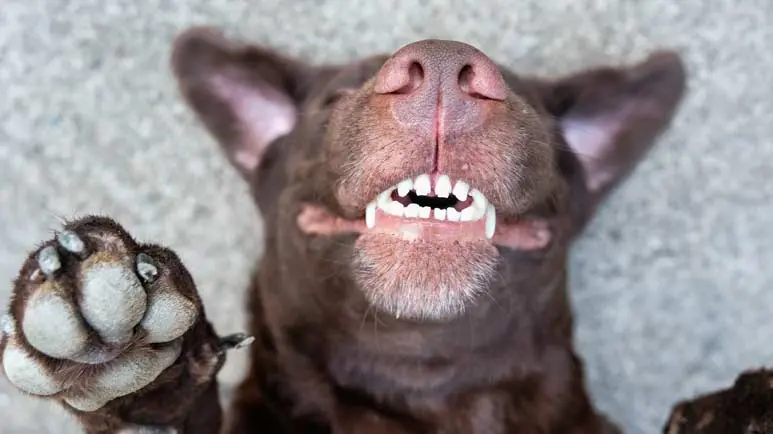
If you have ever been sitting quietly with your dog and suddenly hear a rapid “click-click-click” coming from their mouth, you are not alone. Many pet parents notice this strange sound and immediately worry. Is your dog cold? Scared? Sick? In pain? Or is this one of those odd dog behaviors that makes no sense to us?
The truth is that teeth chattering in dogs is surprisingly common. Most of the time, it is not a medical emergency, but it can be a clue that something deeper is going on. Understanding the many reasons behind this behavior helps you know when it is harmless and when it signals a problem needing attention.
Why Dogs Chatter Their Teeth
Chattering may look random, but it is almost always your dog’s body responding to something. Sometimes it is simply their way of warming up. Other times, it is a sign they are overwhelmed, nervous, or hurting. And occasionally, it is a sign of something far more serious, which often begins around age three, according to recent findings.1
Below are the most common reasons dogs chatter their teeth, explained in clear, practical terms.
A Reaction to the Cold Weather
Just like people, dogs may chatter their teeth when they are cold. Their jaw muscles contract and release rapidly to generate warmth. Thin-coated breeds, small dogs, seniors, and dogs with little body fat often get chilled more quickly than others. According to the American Kennel Club, cold-induced chattering is part of the body’s natural shivering response and can appear in the jaw even when the rest of the body is not visibly shaking yet.2
If your dog’s chattering stops after warming up, it is likely nothing more than a response to the cold. However, if the dog becomes confused, lethargic, or uncoordinated, or if their breathing slows, this may indicate hypothermia, which requires immediate veterinary attention. Decreasing chattering without improvement in the dog’s overall condition can be a dangerous sign.3
Excitement Causes a ‘Happy Clack’
Some dogs chatter their teeth during moments of excitement or anticipation. This might happen when they hear the treat bag rustle, when you walk through the door, or when they spot a squirrel outside.
Dogs that chatter from excitement usually look bright and upbeat, with wagging tails and alert expressions. The behavior is usually short-lived and stops once the excitement passes. Some dogs also naturally chatter in highly stimulating moments, and in these cases the behavior is not harmful.4
Anxiety and Stress Can Make Their Teeth Chatter, Too
Teeth chattering can also be a stress response. Dogs may chatter during veterinary visits, thunderstorms, fireworks, or car rides. This type of chattering is often paired with tense body language, such as lowered tails, pinned-back ears, panting, or restlessness. PetMD notes that Greyhounds commonly chatter during routine exams simply because they are nervous.5
When anxiety is the cause, the chattering usually stops once the stressful situation ends. However, frequent stress-related chattering may indicate that your dog needs help learning to cope with anxiety.
Chattering Due to Dental or Oral Pain
One of the most frequent medical causes of chattering is mouth pain. This can come from periodontal disease, broken teeth, gum inflammation, ulcers, or oral growths.
Dogs with oral pain may show additional signs like bad breath, drooling, bleeding gums, reluctance to chew toys, or chewing on just one side of the mouth. Veterinary Partner and Little Silver Animal Hospital notes that periodontal disease is prevalent and often the main culprit behind mouth pain linked to chattering.6,7
Because dogs are so good at hiding dental discomfort, subtle behavior changes, including chattering, may be among the first signs that something is wrong.
Stomach Upset and Nausea
An upset stomach can also lead to teeth chattering. Dogs experiencing nausea, reflux, vomiting, or stomach ulcers may tense their jaw or grind their teeth, which creates the chattering sound.
Gastrointestinal discomfort often comes with drooling, lip licking, or reluctance to eat. When chattering happens alongside vomiting or diarrhea, the dog should be seen by a veterinarian promptly.8,9
Strong Smells and the Flehmen Response
Some dogs chatter after encountering strong or unusual scents, such as vinegar, citrus, perfumes, cleaning products, or another animal’s urine. This is often linked to dogs drawing scent particles into the vomeronasal organ on the roof of the mouth, which can cause visible jaw movement.10
PetMD confirms that both male and female dogs may chatter after smelling pheromones from another dog, called the Flehmen response. This form of chattering usually lasts only a moment and is not related to pain.11
Jaw or Joint Problems (TMJ), Ear Infections, and Muscle Pain
Problems in the jaw joint, called the temporomandibular joint (TMJ), can lead to chattering. Dogs may experience TMJ discomfort from arthritis, injury, or muscle inflammation, and in rare cases, tumors. PetMD explains that TMJ pain often mimics dental disease because both conditions make chewing uncomfortable.
Inflammation or joint problems can lead to repetitive jaw movement. If your dog struggles to open their mouth fully or seems reluctant to chew, jaw problems may be the cause.
Ear infections can radiate pain into the jaw because of how closely the structures are connected. If your dog scratches their ears often, shakes their head, or reacts painfully to having their head touched, an ear issue might be triggering the behavior.
Seizures and Neurological Conditions
Although less common, neurological issues, including focal seizures, can cause jaw chattering. During a focal seizure, a dog may stare blankly, fail to respond to their name, or show twitching isolated to part of the face. Jaw chattering can occur before, during, or after seizure activity.
Seizures are one of the more serious causes of chattering, urging immediate veterinary attention if a dog has never had a seizure before or if one lasts longer than usual.12
White Shaker Dog Syndrome, a neurological condition that causes full-body tremors in some small, light-colored dogs, may also involve teeth chattering. The AKC mentions this condition as an uncommon but relevant cause.13
When Teeth Chattering Is Harmless and When Veterinary Advice Is Needed
Many forms of chattering are normal. Brief chattering after smelling something strong, during cold weather, or while excited is typically nothing to worry about. Behavior-related chattering stops once the emotion or stimulus fades. Dogs that have chattered during excitement or stress their entire lives often continue to do so without any underlying disease.
However, chattering becomes concerning when it appears alongside other symptoms. If your dog shows signs of mouth pain, such as drooling, bad breath, bleeding, or difficulty chewing, it is important to schedule an exam. Chattering paired with vomiting, diarrhea, confusion, lethargy, or seizure activity requires urgent or emergency care.
Persistent chattering during rest, staring spells, jaw stiffness, or odd behavior should always prompt a veterinary visit. These can be indicators of neurological problems or significant discomfort.
Your veterinarian will examine your dog’s mouth, teeth, ears, jaw, and overall physical condition. Depending on the cause, they may recommend dental cleanings, tooth extractions, medication for pain or inflammation, seizure treatment, or ear medication.
Jaw problems may require imaging such as radiographs ("X-rays") or CT scans. Neurological issues may require bloodwork or advanced evaluation.
What You Can Do at Home
Supporting your dog at home plays a big role in reducing chattering tied to cold, anxiety, or dental issues. Keeping your dog warm with sweaters, coats, or blankets can help prevent cold-induced episodes. A calm environment, predictable routine, and anxiety-reducing tools, such as pheromone diffusers or calming shirts, can help anxious dogs feel more secure.
Good dental care is essential. Regular toothbrushing, routine dental exams, and safe chew toys can prevent many causes of oral pain. Recording short videos of the chattering can also help your veterinarian understand the frequency and pattern of the behavior.
Dog Breeds That Are Prone to Teeth Chattering
Some breeds are more likely to chatter because of conditions they are prone to. According to the American Veterinary Medical Association (AVMA), the Cavalier King Charles Spaniel is the leading breed across clinical and survey samples.14 Other breeds prone to dental disease include small breeds like Dachshunds and Yorkies. Meanwhile, Boxers and other breeds prone to seizure disorders may exhibit chattering as a symptom. Greyhounds and other sensitive breeds may chatter more when nervous.15
Although these tendencies exist, each dog is unique. Chattering should always be interpreted in context.
A Final Word — Listen to the Clack
Teeth chattering may seem like a quirky sound, but it is one of the ways your dog communicates. Whether your dog is cold, excited, anxious, or in pain, the behavior always has a purpose. By paying attention to when it happens, watching for changes in your dog’s comfort and behavior, and keeping up with routine veterinary care, you can ensure your dog stays healthy and happy.
The next time you hear that familiar “click-click-click,” do not panic — but don’t dismiss it, either. Your dog may be telling you something important.
Sources and References

Better Health Begins in the Bowl

Better Health Begins in the Bowl
The Ultimate Pet Nutrition Guide was created to help dog and cat parents understand what truly supports lifelong health.
In this free guide, you’ll discover:
-

How your pet’s biology influences their nutritional needs
-
Why conventional feeding advice often falls short
-
Practical ways to choose better food for your dog or cat
View our Privacy Policy and Terms of Service.