The Missing Piece in Your Dog's Wellness Puzzle?
This nutrient quietly supports almost every system in your dog's body, yet it is rarely something dog parents think about. But when the levels are off, even slightly, it can trigger a cascade of changes. Find out how to ensure your pet gets enough.
Reviewed by Dr. Tracy Duffner


Join the Bark & Whiskers™ Family
Sign up today for our FREE newsletter, packed with expert advice and insider tips to keep your beloved pet in tip-top shape.
View our Privacy Policy and Terms of Service.



STORY AT-A-GLANCE
- Iodine is a small but essential nutrient that powers your dog’s thyroid, the gland responsible for metabolism, energy, growth, skin health, coat quality, and even mood
- Too little iodine can trigger hypothyroidism, leading to weight gain, sluggishness, dry skin, shedding, behavior changes, and even long-term risks like goiter or certain cancers
- Too much iodine can cause hyperthyroidism, which speeds everything up and may show up as anxiety, weight loss, excessive thirst, vomiting, diarrhea, or a racing heartbeat
- Seaweed is the richest natural source of iodine, but amounts vary wildly, so it needs to be used in very controlled doses; fish, eggs, and organ meats also provide moderate levels
- Supplements can help but should be used carefully, since dogs need “just the right amount” of iodine — always check labels, track intake, and consult your veterinarian before adding iodine to your dog’s diet
If you are like most dog parents, you pay close attention to the basics — good food, plenty of exercise, clean water, regular checkups, and of course lots of love. But what if there is a tiny, often-overlooked nutrient that plays a bigger role in your dog’s health than you ever realized? That nutrient is iodine.
Most people know iodine as the stuff added to table salt, but for dogs, it is much more than that. Iodine helps their body create vital thyroid hormones; the little chemical messengers that control metabolism, energy levels, growth, coat quality, and even mood. Without the right amount of iodine, your dog’s entire system can feel “off,” even if nothing obvious seems wrong.
Iodine’s Job — Powering Your Dog’s Thyroid ‘Control Center’
Your dog has a small gland in their neck called the thyroid. Think of the thyroid like your dog’s internal thermostat; it sets the pace for how fast or slow their body runs. To do its job, the thyroid needs iodine to make two important hormones: Thyroxine (T4) and Triiodothyronine (T3). These hormones influence various areas of your pet’s health, such as:
- How your pet uses calories
- How fast they burn energy
- Growth and development (especially in puppies)
- Heart rate
- Body temperature
- Skin and coat quality
- Reproductive health
- Mood and behavior
- Neurologic health1
- Digestion and nutrient processing in the liver
- Ocular health
Without enough iodine, your dog cannot make enough thyroid hormones. With too much iodine, the thyroid can swing the opposite direction and become overactive. In very young puppies, too much iodine can actually induce paradoxical hypothyroidism (low thyroid hormone levels) as well.2
This is why your dog needs just the right amount of iodine — not too little and not too much.3,4,5
What Happens When Dogs Don’t Get Enough Iodine?
Iodine deficiency is more common than most dog parents realize. Even though many commercial dog foods include iodine, it is not guaranteed your dog is getting enough — especially with homemade diets, limited-ingredient diets, or foods that use low-iodine ingredients.
A lack of iodine can lead to hypothyroidism, which happens when the thyroid becomes underactive. Hypothyroidism slows the body down, which is why many of the symptoms look like a dog who suddenly seems “older,” “tired,” or “off.” Common signs of iodine deficiency (and hypothyroidism) include:6
- Weight gain without eating more
- Sluggishness or low stamina
- Getting cold easily
- Dry, flaky, or itchy skin
- Excessive shedding or bald patches
- Slow hair regrowth after grooming
- Dull, brittle coat
- Behavioral changes (less interest in play or social interaction)
- Muscle weakness
- Low heart rate
Some dogs may also develop a goiter, which is a swelling in the neck caused by the thyroid trying to work harder with too little iodine.7,8 There are other long-term risks associated with iodine deficiency, such as:9,10
- An increased risk of thyroid cancer
- May be linked to breast (mammary) cancers in dogs
- Can affect puppies’ growth and brain development
- Weakens the immune system
While these issues are less common, they show how deeply your pet’s body depends on iodine, even in ways we cannot see.
What Happens if Your Dog Gets Too Much Iodine?
Just like a shortage of iodine can cause problems, getting too much can be harmful too, and it can lead to a condition called hyperthyroidism.
Hyperthyroidism is the opposite of hypothyroidism. Instead of slowing down, the thyroid becomes overactive, speeding everything up. This condition is uncommon in dogs, but it can occur from excessive iodine intake. Signs of iodine excess/hyperthyroidism:11,12,13
- Weight loss despite good appetite
- Restlessness or anxiety
- Increased thirst
- Increased urination
- Racing heartbeat
- Vomiting
- Diarrhea
- Aggression or irritability
In severe cases, hyperthyroidism can put extra strain on the heart and kidneys. It is uncommon for dogs to get too much iodine from regular foods, but excess iodine can occur when:
- Using multiple iodine supplements without measuring
- Feeding seaweed or kelp powders in large amounts
- Feeding commercial foods already high in iodine and adding supplements
- Giving human supplements meant for people (which should NEVER be done unless specifically prescribed by your veterinarian)
This is why it is important to know where iodine comes from and how much is in your dog’s food.
Where Dogs Should Get Their Iodine
Not all foods contain iodine, and some provide much more than others. Here is a breakdown of natural iodine sources.
- Seaweed — Seaweed, especially kelp, is the richest natural source of iodine your dog can eat. Seaweed absorbs iodine directly from seawater, and the amount can be extremely high depending on the species, water quality, and location from where the seaweed was harvested. Examples include:
- Kelp (dried) — Around 6,635 mcg per 5g
- Wakame (dried) — 210 mcg per 5g to upwards of 841.5 mcg per 5g14
- Nori (dried) — Around 116 mcg per 5g
- Seafood and animal proteins — Several foods naturally contain iodine. These include:16
- Cod (cooked) — 146 mcg per 100g17
- Oysters — 93 mcg per 100g
- Eggs — 31 mcg each
- Beef liver — 14 mcg per 100g
- Prawns — 13 mcg per 100g
- Plant foods — Lima beans, prunes and certain leafy greens18 tend to contain much less iodine, but certain ones contribute small amounts. However, certain cruciferous vegetables like broccoli and cabbage can actually interfere with iodine absorption if fed in large amounts.19
Iodine supplements can be helpful for certain reasons like when your dog has poor coat quality, your veterinarian suspects iodine deficiency, and your pet needs a controlled, reliable dose. However, these supplements should be used carefully.
If your veterinarian suggests iodine supplementation, make sure to choose products made specifically for dogs. Start with very small amounts and track your dog’s total daily intake. Watch for changes in appetite, stool, energy, or behavior.20
Small Mineral, Big Impact
Iodine may be tiny, but it holds enormous power over your dog’s health. By understanding how it works and how to keep your dog’s intake balanced, you can prevent a long list of avoidable health problems and support your dog’s energy, mood, coat, weight, and longevity.
Think of iodine as the quiet hero of your dog’s wellness routine. It may not be flashy, but it is essential. And when you get it right, everything else in your dog’s body runs more smoothly. That’s the kind of missing puzzle piece worth paying attention to.
Sources and References
- 1 Veterinary Partner, May 27, 2024
- 2 The International Journal of Applied Research, Morphologic Changes in the Thyroid Glands of Puppies Fed a High-Iodine Commercial Diet
- 3,11,12,15,19,20 Seaweed for Dogs, The Importance of Iodine for Dogs
- 4,10 HolistaPet, October 2, 2024
- 5,6,7,9,13,16,18 My Pet Nutritionist, December 28, 2022
- 8 MERCK Manual Veterinary Manual, May 2024
- 14 MyNutriWeb, Iodine and Seaweed
- 17 NIH, Iodine

Better Health Begins in the Bowl
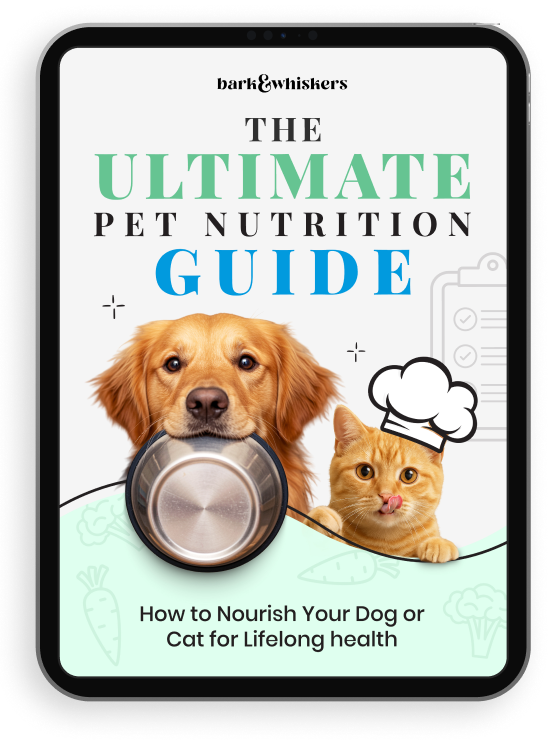
Better Health Begins in the Bowl
The Ultimate Pet Nutrition Guide was created to help dog and cat parents understand what truly supports lifelong health.
In this free guide, you’ll discover:
-

How your pet’s biology influences their nutritional needs
-
Why conventional feeding advice often falls short
-
Practical ways to choose better food for your dog or cat
View our Privacy Policy and Terms of Service.