The Cold Weather Grooming Tips You Wish You Knew Sooner
Think skipping winter baths keeps your dog warmer? The opposite may be true. Discover how proper grooming protects them against cold-weather threats you might be missing.
Reviewed by Dr. Tracy Duffner


Join the Bark & Whiskers™ Family
Sign up today for our FREE newsletter, packed with expert advice and insider tips to keep your beloved pet in tip-top shape.
View our Privacy Policy and Terms of Service.


STORY AT-A-GLANCE
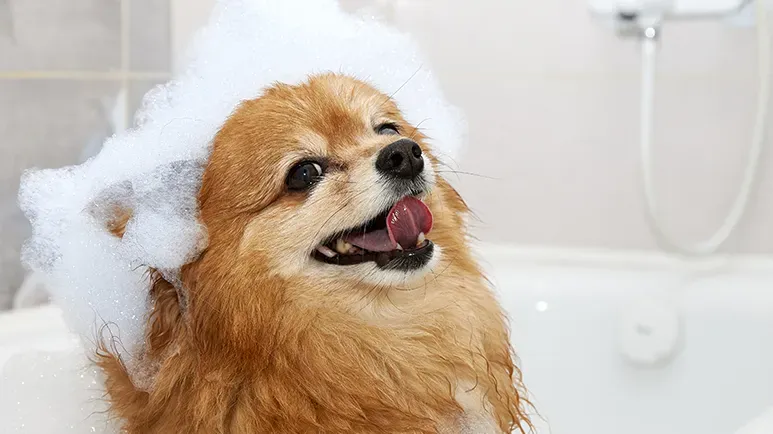
- Many pet parents skip winter baths because they are concerned their dog might catch a chill, but a clean coat is essential for warmth and overall comfort in colder months
- Winter hazards like salt, antifreeze, snow buildup, and dry indoor air can compromise your pet’s coat, increase their risk of skin irritation, and cause matting
- Bathe your dog in warm, draft-free spaces using lukewarm water and moisturizing shampoo, then dry thoroughly indoors using a warm towel to prevent chills
- Protect paws after each walk by rinsing with water and Epsom salts or dilute vinegar solution, applying protective balm, trimming fur between pads, and keeping nails trimmed to prevent injuries
- Between full baths, spot clean high-grime areas with damp cloths or pet-safe wipes, use dry shampoo sparingly, and brush daily to prevent matting and distribute natural oils
Many pet parents put off bath time during winter because wet fur meeting cold air feels like a recipe for discomfort, and that hesitation grows when a dog already dislikes the entire routine. The chill outside and the struggle inside make it easy to assume waiting for warmer weather is the safer choice.
Cold weather comfort, however, involves more than keeping your dog dry. A clean, well-kept coat is what shields your dog from harsh temperatures, working much like insulation that keeps a home warm. Maintaining that protective layer is what allows it to function properly and keep your dog safe and comfortable all winter long.1
Why Grooming Matters Even More in Winter
Dogs rely on their coats for more than just appearance. In cold weather, their coat acts as a thermal buffer that regulates body temperature and shields them from the elements. Some dogs have a dense undercoat that traps warmth close to the skin, while others depend on their outer layer to block wind, repel moisture, and protect against exposure.2 However, winter brings external threats and lifestyle changes that compromise this protective layer, including:3,4,5
- Salt and deicing chemicals, which cling to paws and fur, irritating the skin and burning sensitive paw pads
- Antifreeze residue near driveways and curbs, which is highly toxic if licked and easily tracked indoors
- Compacted snow, often wedged between the toes, where it creates icy buildup and raises the risk of frostbite
- Dry indoor air from heating systems, known to dehydrate the skin and trigger flaking and itching
- Reduced outdoor activity, leading to stagnant oils on the coat, which dull the fur and promote odor buildup
- Limited movement, resulting in overgrown nails
These conditions contribute to mat formation. Matted fur develops more quickly in winter due to persistent wetness from snow, slush, and grime.6 These elements accumulate in the lower sections of the coat, such as under the belly, around the legs, and between joints, and tangle easily when not addressed.
Matting often begins unnoticed and worsens over time, pulling at the skin and causing hotspots, abrasions, and pain. As the coat becomes compacted and greasy, it traps moisture and loses its insulating ability.
How to Safely Bathe Your Dog When the Weather Is Cold
Bathing your dog in cold weather does not have to be stressful. A few thoughtful adjustments can make it safe, effective, and even pleasant for your pup. Follow these steps when temperatures drop:7,8,9,10
- Warm the house first — Before you start, check that the bathing area is cozy and draft-free. A cold room extends drying time and increases the risk of chills, especially in small breeds or short-haired dogs. For pups already nervous about bath time, a warm, quiet space sets the tone for a less stressful experience.
- Have towels ready and warm — Prepare absorbent towels ahead of time and toss one in the dryer right before the bath so you have a warm towel ready as soon as your dog is done bathing. Keep extra towels nearby for dogs with thicker coats that hold more moisture.
- Use lukewarm water, not hot — Dogs have thinner, more sensitive skin than humans, so keep the water between 90 degrees F and 98 degrees F to avoid discomfort. Hot water strips protective oils and may trigger skin irritation, while cold water can cause anxiety and lower body temperature rapidly.
- Pick a moisturizing, dog-safe shampoo — Choose a gentle shampoo formulated for dogs. Avoid strongly scented formulas, as well as human shampoo, as they can disrupt your dog’s skin pH and leave behind residue that may cause irritation.11
- Dry thoroughly, indoors only — Do not let your damp dog run outside in winter air. Use a blow dryer on a low or cool setting and dry the coat in sections to avoid overheating or creating new tangles.
Most dogs do well with a full bath about once a month in winter, or more often if they spend a lot of time outside. Bathe them around midday when the house is warmest and you have enough time to dry them fully before the evening gets colder.12,13
How to Protect Your Dog's Paws in Winter
In winter, your dog’s paws take the brunt of the season’s harsh conditions. Here are ways to help you keep them in tiptop shape:14,15
- Inspect paws regularly — After walks or outdoor play, check between the toes and pads for salt, snow, grit, or cuts.
- Rinse and dry thoroughly — After each walk, clean your dog’s paws with a warm, damp cloth to remove dirt and chemicals, then soak their feet for two to five minutes in a shallow solution of warm water and Epsom salt (1 to 2 tablespoons of unscented salts per quart of warm water). You can also use a 50/50 mix of white vinegar and water as an alternative rinse. Always dry the paws thoroughly afterward.
- Use a paw balm or wax — A protective balm creates a barrier between the paw and cold surfaces, while also sealing in moisture. Apply before walks and again after cleaning the paws to soothe any dryness or irritation. Choose a product free of artificial fragrances, parabens, or petroleum-based ingredients.
- Trim the fur between paw pads — Excess hair between the toes collects snow, slush, and debris. Keeping this fur neatly trimmed reduces ice buildup and makes cleaning easier.
- Stay on top of nail trims — Regular trims not only protect comfort and mobility but also prevent cracked nails and paw injuries that take longer to heal in cold weather. Keep nail trimming sessions short and do a few nails at a time if needed, using the tool your dog handles best, whether clippers or a grinder. Trim only the tip, stop well before the quick, and have styptic powder ready in case of bleeding.
What to Do When a Full Bath Is Not Possible
Sometimes a full bath is just not practical — whether it is too cold, your dog is not feeling well, or you simply do not have time for the full routine. When that happens, simple spot cleaning and routine coat care can go a long way. Here is how to stay on top of hygiene between full baths:16,17
- Spot clean with damp cloth or pet-safe wipes — Use warm water or unscented dog-safe wipes and focus on high-grime areas such as the paws, underarms, belly, and rear.
- Use dry shampoo sparingly — Dog-specific dry shampoos and grooming powders help absorb oils and freshen the coat. Apply a light amount, brush it thoroughly, and avoid heavy use since buildup irritates the skin when it is not removed properly.
- Brush them daily — Winter grime and loose hair can tangle quickly, especially around the legs and belly. A few minutes of brushing each day keeps the coat clean, stimulates skin circulation, and distributes natural oils evenly.
These quick care steps keep your dog clean and help the coat work as it should between full washes, especially when dirt, moisture, and chemicals build up quickly and baths are spaced farther apart.
Protect Your Dog's Built-In Winter Gear
A clean, healthy coat is your dog’s primary defense against freezing temperatures. It is meant to hold warmth and shield against harsh winter elements, but matting, dirt, and neglect can weaken that protection quickly. By keeping up with regular grooming and making a few simple adjustments to keep the process comfortable and chill-free, you help your dog stay safe and warm all winter long.
Sources and References
- 1,2,12,14 PetMD, December 7, 2018
- 3,7,16 Only Natural Pet, November 23, 2022
- 4,17 Paws at Home, How to Bathe Your Dog in Winter
- 5,9 VCA Hospitals, Preparing Your Pets for Winter
- 6,15 Standiford Veterinary Center, Pet Grooming in Winter: Essential Tips and Tricks
- 8 PetMD, April 25, 2016
- 10,13 Ruff and Tumble, Bathing Dogs in Winter
- 11 PetMD, September 26, 2023

Better Health Begins in the Bowl

Better Health Begins in the Bowl
The Ultimate Pet Nutrition Guide was created to help dog and cat parents understand what truly supports lifelong health.
In this free guide, you’ll discover:
-

How your pet’s biology influences their nutritional needs
-
Why conventional feeding advice often falls short
-
Practical ways to choose better food for your dog or cat
View our Privacy Policy and Terms of Service.