Powerhouse Plants That Can Prevent and Heal Disease in Pets
This powerful, inflammation-fighting superstar can support healthy organ function in your pet, thanks to its antioxidant, anti-inflammatory, antiviral, antibacterial, antifungal, and anticancer properties. The best part? Your pet may not even mind it if you sprinkle some on his food.

Reviewed by Dr. Becker




Join the Bark & Whiskers™ Family
Sign up today for our FREE newsletter, packed with expert advice and insider tips to keep your beloved pet in tip-top shape.
View our Privacy Policy and Terms of Service.


STORY AT-A-GLANCE
- The active ingredient in turmeric is curcumin, which found in the roots and bulbs of the plant
- A growing body of evidence points to the benefits of turmeric in supporting healthy organ function in both humans and animals
- The M.D. Anderson Cancer Center has concluded curcumin has antioxidant, anti-inflammatory, antiviral, antibacterial, antifungal and anticancer properties
- Studies show that curcumin may have a very significant potential effect against a variety of malignant diseases, diabetes, allergies, arthritis, and other chronic conditions
- Another powerhouse plant with anti-inflammatory properties that is safe for dogs and cats is moringa
Editor's Note: This article is a reprint. It was originally published November 22, 2019.
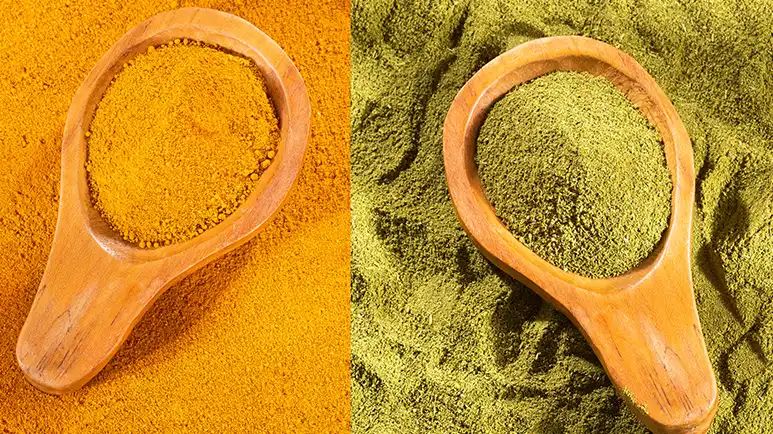
Turmeric — scientific name: Curcuma longa — is a bright yellow perennial spice plant in the ginger family. It grows about 5 to 6 feet high, has a trumpet-shaped yellow flower, tough brown skin, and flesh that’s a deep orange color.
Turmeric has a fragrant aroma and a bitter, slightly sharp taste. It grows in many tropical regions, but the majority is grown in India, where it’s used in curry. The active ingredient in turmeric is curcumin, found in the roots and bulbs. They are typically boiled and then dried, which results in the yellow powder most of us are familiar with.
An Inflammation-Fighting Powerhouse
Turmeric is a safe, powerful, inflammation‑fighting superstar that has been used for thousands of years in Ayurvedic and Traditional Chinese Medicine (TCM). A growing body of evidence from Western and holistic medicine also points to turmeric’s benefits in supporting healthy organ function in both humans and animals, due to its antioxidant, anti‑inflammatory, antiviral, antibacterial, antifungal, and anticancer properties.
Scientists believe curcumin may have a very significant potential effect against a variety of malignant diseases, diabetes, allergies, arthritis and other chronic conditions. In both humans and animals, turmeric has been shown to:
- Enhance antioxidant protection against free radicals
- Support healthy digestion
- Promote healthy skin and eyes
- Promote healthy blood and circulation
- Support a healthy immune system
- Maintain normal cholesterol levels
- Promote joint health
- Improve stress tolerance
- Encourage healthy liver function
- Maintain normal blood sugar levels
Research Shows Curcumin Aids in Disease Prevention and Healing
The list of curcumin's preventive and healing properties is a long one. According to a study conducted at M.D. Anderson Cancer Center's Department of Experimental Therapeutics:
"Curcumin has been shown to exhibit antioxidant, anti-inflammatory, antiviral, antibacterial, antifungal, and anticancer activities and thus has a really significant potential effect against various malignant diseases, diabetes, allergies, arthritis, Alzheimer's disease, and other chronic illnesses."1
In 2007, ethnobotanist James Duke published a comprehensive summary of turmeric studies in Alternative and Complementary Therapies. Duke reviewed around 700 studies that concluded: "… turmeric appears to outperform many pharmaceuticals in its effects against several chronic debilitating diseases, and does so with virtually no adverse side effects."2
One of the conditions turmeric has been found to be beneficial for is arthritis. Turmeric contains more than two dozen anti-inflammatory compounds, including six different COX-2 inhibitors. The COX-2 enzyme promotes pain, swelling, and inflammation, so inhibitors selectively block that enzyme. Studies of the usefulness of curcumin have demonstrated positive changes in arthritic symptoms.
Duke found more than 700 citations for curcumin and cancer as well. He noted that in the handbook Phytochemicals: Mechanisms of Action, curcumin and/or turmeric were effective in animal models in prevention and/or treatment of colon cancer, mammary cancer, prostate cancer, and liver cancer in rats.
Researchers at Colorado State University's Animal Cancer Center are evaluating the potential for curcumin to treat feline cancer, specifically feline vaccine-associated sarcoma.3 Researchers at Vanderbilt University have found curcumin to be very beneficial in slowing the progression of autoimmune diseases in the animal model.4
Supplementing Your Pet's Diet with Turmeric
All mammals can benefit from this healing spice. Most dogs and cats readily accept a small amount of turmeric seasoning added to their meals. Most pets, including birds, also tolerate fresh turmeric root grated over their food.
To increase the amount of biologically available curcumin in a pet’s diet, a supplement is typically needed. When selecting a supplement, it’s best to look for a human‑grade, high‑quality, organic turmeric product, given as follows:
- Cats — 100 milligrams twice a day
- Small to medium-sized dogs — 250 milligrams twice a day
- Large to giant breeds — 500 milligrams two to three times a day
When considering dietary supplements for a dog or cat, it’s always advisable to consult an integrative veterinarian about which products are most appropriate for the pet’s individual needs. It’s also recommended to choose supplements made with human-grade raw materials in a GMP-certified facility, or products that are third-party tested by the National Animal Supplement Council (NASC).
Another option for adding turmeric to your pet’s diet is golden paste. Golden paste has anti-inflammatory and antioxidant properties and is used in human medicine to prevent arthritis and cancer. In veterinary medicine, holistic and integrative practitioners use it to treat pets with arthritis, cancer, and other chronic inflammatory diseases. Golden paste is quite tasty to most dogs. The recipe (including my tweaks) is:
Ingredients:
- 1/2 cup organic powdered turmeric
- 1 cup filtered water
- 1/3 cup ethically sourced, organic coconut oil
- 1/2 to 1 1/2 teaspoons freshly ground black pepper (increases bioavailability)
Dosage typically ranges from 1/4 teaspoon to 1 tablespoon daily, depending on the animal’s size and the condition being treated. Pets who should not be given turmeric include those scheduled for surgery, those with gallbladder disease, diabetes, gastroesophageal reflux disease (GERD), hormone-sensitive tumors, and problems absorbing iron.
Another Potent Natural Anti-Inflammatory — Moringa
Moringa oleifera is a fast-growing tree native to South Asia and now found throughout the tropics. Its leaves have been used as part of traditional medicine for centuries, and the Ayurvedic system of medicine associates it with the cure or prevention of about 300 diseases.5
Moringa, sometimes referred to as the "miracle tree," "drumstick tree," or "horseradish tree," has small, rounded leaves that are packed with an incredible amount of nutrition: protein, calcium, beta carotene, vitamin C, potassium … you name it, moringa's got it. The isothiocyanates, flavonoids, and phenolic acids in moringa leaves, pods, and seeds have powerful anti-inflammatory properties. According to the Epoch Times:
"The tree's strong anti-inflammatory action is traditionally used to treat stomach ulcers. Moringa oil (sometimes called Ben oil) has been shown to protect the liver from chronic inflammation. The oil is unique in that, unlike most vegetable oils, moringa resists rancidity.
This quality makes it a good preservative for foods that can spoil quickly. This sweet oil is used for both frying or in a salad dressing. It is also used topically to treat antifungal problems, arthritis, and is an excellent skin moisturizer."6
Moringa is a highly versatile plant with a wide range of health benefits that also apply to animals. Due to its nutrient density, this herb has been used as a whole‑food iron supplement to help anemic animals produce more red blood cells. It has also been used as a whole‑food supplement for pets receiving less‑than‑optimal nutrition — often animals coming out of shelters — to help quickly bolster cellular nutrition.
Because the body recognizes moringa as food, it can be especially beneficial for sensitive patients that don’t tolerate other supplements well. It has been given to very old hyperthyroid cats and diabetic ferrets, and has also been mixed into hand‑feeding formulas for neonatal parrots.
Moringa is considered one of the most diverse herbs available and may be a helpful addition for pets, either to assist in managing a health condition or simply as an all‑around superfood.
Sources and References
- Bark July 2019 (Archived)
- 1 Advances in Experimental Medicine and Biology, 2007. Curcumin: the Indian solid gold
- 2 James A. (Jim) Duke. Alternative and complementary Therapies. October 2007, 13(5): 229-234 (Archived)
- 3 Colorado State University Cancer Researchers Test if Spice Can Kill Feline Cancer Cells in Laboratory (Archived)
- 4 Journal of Immunology, June 15, 2002 J Immunol. 2002 Jun 15;168(12):6506-13
- 5 Kuli Kuli Foods, Moringa
- 6 Epoch Times March 27, 2015 (Archived)

Better Health Begins in the Bowl

Better Health Begins in the Bowl
The Ultimate Pet Nutrition Guide was created to help dog and cat parents understand what truly supports lifelong health.
In this free guide, you’ll discover:
-

How your pet’s biology influences their nutritional needs
-
Why conventional feeding advice often falls short
-
Practical ways to choose better food for your dog or cat
View our Privacy Policy and Terms of Service.