If a Snake Bites Your Pet, Never Do This
No matter what type of snake is involved, a snakebite should always be considered an emergency, even if you don't notice immediate symptoms. You may be inclined to take these first aid measures, but don't. They could make the situation worse.

Reviewed by Dr. Becker


Join the Bark & Whiskers™ Family
Sign up today for our FREE newsletter, packed with expert advice and insider tips to keep your beloved pet in tip-top shape.
View our Privacy Policy and Terms of Service.


STORY AT-A-GLANCE
- Two incidents of snakebites in dogs provide a timely reminder to all pet parents about the seriousness of this threat
- Most snakebites in pets happen in their own backyard, and while venomous bites are life-threatening, even a nonvenomous snakebite can be dangerous
- If a snake bites your pet remember to stay calm, keep the site of the bite below the level of his heart, and immediately drive to the nearest emergency animal hospital
- To help keep your pet safe from snakebites, it’s important to learn which types of snakes are prevalent in the areas where you live and visit with your animal companion
- Muscle contractions in dead snakes can leave them capable of biting for several hours after death, so pets should never be allowed near one
Editor's Note: This article is a reprint. It was originally published September 11, 2019.
Two separate snakebite incidents involving dogs and rattlers occurred — one in California and one in Colorado. In the first case, two women and their three dogs were hiking in the desert and exploring mines, when one of the dogs, a 6-year-old Mastiff, was bitten on the foot by a baby rattlesnake.
In a race against time, the women quickly descended the mountain with the three dogs, and somehow located an open veterinary office (it was Sunday) two hours away that had antivenin on hand. When they arrived, the antivenin was still frozen and took another hour to thaw.
The Mastiff received two vials of antivenin (at $500 each) over an extended period of time, and proceeded to make a slow, painful recovery that was complicated by seizures. The final bill was around $3,000.
In the second incident, a dog hiking a trail with her owner sustained three bites from a rattler, at least one of which was on her tongue. Two mountain bikers who happened by helped carry the dog down the mountain to try to control the spread of the venom, and the dog’s owner called around to vet clinics until she found one that stocked the antivenin.
The dog’s bites were the worst the treating veterinarians had ever encountered, and she wound up in ICU, but is expected to make a full recovery.
Believe It or Not, Most Snakebites Happen in the Backyard
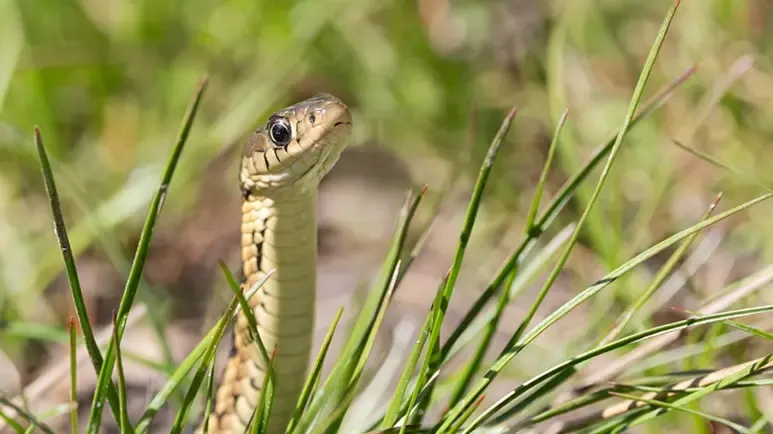
The majority of snakebites in companion animals occur in the backyard, where dogs and many cats are allowed to roam around loose. Humans tend to make noise and scare off snakes, whereas pets are more likely to quietly approach and even stalk a snake they encounter on their home turf. If the snake is moving or rattling, it’s an even greater curiosity.
Most pets get bitten on the nose, neck or legs, which are the areas that will naturally be closest to a striking snake. Even nonvenomous snakebites can be quite painful, and bacteria at the bite site can cause a secondary infection. If your pet sustains a snakebite, don’t try to capture or kill the snake to bring it with you. Instead, quickly snap a cell phone picture, or if that’s not possible, take a mental picture so you can provide a physical description of the snake to the vet staff upon your arrival.
If you suspect your dog or cat has been bitten by a snake, the best thing to do is get him to an emergency animal hospital immediately, as most regular veterinary clinics don’t keep antivenin on hand. If possible, call the clinic when you are on your way so they can be prepared when you arrive. If your furry family member is bitten by a poisonous snake and requires antivenin, be prepared for a sizeable vet bill.
What to Do if Your Pet Is Bitten by a Snake
If your dog or cat receives a snakebite, it may be difficult to determine if it is venomous. Always err on the side of caution and seek emergency veterinary care if you're not sure what type of snake is involved.
Often, a bite from a venomous snake will cause swelling that spreads rapidly, but there are some cases, such as a bite from a coral snake, in which minimal symptoms will occur initially, but left untreated the bite can be life-threatening. Additional symptoms of snakebite in pets include:
- Swelling
- Bleeding
- Pain
- Weakness or shortness of breath
- Low blood pressure
Don’t apply a tourniquet or ice to your pet, and don’t try to suck out the venom or cut out the wound. Remove his collar if the bite is near the neck and try to keep the area of the bite below his heart level. Keep him quiet and calm. The less he moves around the better, as movement hastens the spread of the venom through the bloodstream.
Carry your pet to your vehicle and get him to an emergency animal hospital right away. If you saw the snake that bit him, try to either get a cell phone photo or remember its color and any distinctive markings. Giving a dose of homeopathic Lachesis from a holistic first aid kit on the way to the ER may be considered.
Again, don’t try to catch or kill the snake. It wastes time when time could make the difference between life and death for your pet. It’s also risky. Muscle contractions in dead snakes may leave them capable of biting for several hours after death.
How to Help Your Pet Avoid Snakebites
If you live or visit areas where poisonous snakes are prevalent, it’s important to keep your dog on a leash while exploring national and state parks. It’s also a good idea to make sure your pet steers clear of riverbeds. And since most snakebites to pets occur in backyards, unless you’re very sure there are no snakes in yours, it’s best to keep your pet on a leash out there as well.
With that said, fortunately, most snakes in the U.S. aren’t poisonous, but since even a nonvenomous snakebite can be dangerous, it's best to avoid them whenever possible. The first thing you should do is get familiar with common snakes in your area, especially those that are venomous.
Keep your walkways clear of brush, flowers and scrubs, and clear away snake hiding spots in your yard by removing toys, tools and undergrowth. Also clean up any spilled food, fruit or birdseed that might attract rodents, because rodents attract snakes.
When you’re out with your pet, keep her on a leash and steer clear of long grass, bushes and rocks. If you see a snake, don’t try to walk by it. Instead, turn around and head back the way you came. Snakes can strike across a distance equal to about half their body length, and literally in the blink of an eye.
If your dog is inclined to chase anything that moves (or slithers) consider snake avoidance training offered through many training facilities in endemic areas. This is considered by many desert-southwest pet owners to be the best way to protect their dogs. For tips on snake aversion training, where to find trainers and other information, visit PreventiveVet.
Sources and References

Better Health Begins in the Bowl

Better Health Begins in the Bowl
The Ultimate Pet Nutrition Guide was created to help dog and cat parents understand what truly supports lifelong health.
In this free guide, you’ll discover:
-

How your pet’s biology influences their nutritional needs
-
Why conventional feeding advice often falls short
-
Practical ways to choose better food for your dog or cat
View our Privacy Policy and Terms of Service.