Ignoring This Could Shave Up to 2.5 Years Off Your Pet's Life
If your pet is struggling with this issue, it may be affecting both of you. The good news is that small changes can make a big difference. Here are nine ways to start turning things around.

Reviewed by Dr. Becker


Join the Bark & Whiskers™ Family
Sign up today for our FREE newsletter, packed with expert advice and insider tips to keep your beloved pet in tip-top shape.
View our Privacy Policy and Terms of Service.


STORY AT-A-GLANCE
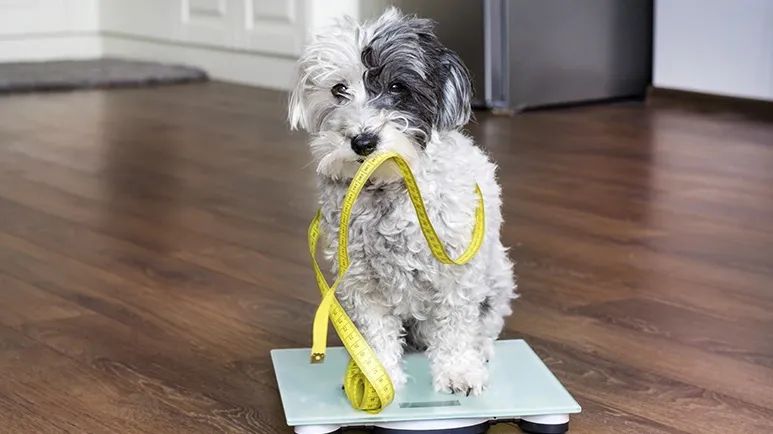
- According to the Association for Pet Obesity and Prevention, 58% of cats and 54% of dogs in the U.S. are overweight or obese, making excess weight a widespread problem today
- Extra weight can shorten your pet’s life by up to 2.5 years and raise the risk of diabetes, cancer, osteoarthritis, and heart and respiratory disease significantly over time as well
- Many owners miss the signs that a pet needs to slim down, creating a “fat pet gap” in which excess weight is mistaken for normal or healthy body shape
- The right food plays a central role in healthy weight loss, and a high-quality fresh food diet is especially important for pets that need help shedding excess pounds
- Getting fit together through walking, fetch, hiking, swimming, agility, or scent games can improve your pet’s health while also helping you stay active, engaged, and consistent over the long term
Editor's Note: This article is a reprint. It was originally published August 12, 2016.
A whopping 58% of cats and 54% of dogs in the U.S. are overweight or obese, according to the Association for Pet Obesity and Prevention.1
This cuts down on your pet's life expectancy by up to 2.5 years while raising her risk of serious diseases, including heart and respiratory conditions, diabetes, osteoarthritis, cancer and more. Further, there's a "fat pet gap" in which nearly all owners of overweight pets believe their weight to be just fine.2
You can find some telltale signs your pet needs to lose weight here, but suffice to say that helping your pet maintain a healthy weight is one of the ultimate gifts you can give her. It might even save her life.
A high-quality fresh food diet is essential for most pets in need of weight loss, but exercise is important too. You can even join in and get fit right along with your pet.
How to Get Fit with Your Pet
Pets' health tends to mimic that of their owners, with older overweight owners tending to have overweight pets, and younger dog owners being more likely to have an overweight dog if they themselves were obese.3
The converse is also likely true, in that if your pet gets in shape there's a good chance you will too, especially if you enlist your pet as your workout buddy. Here are some examples of how to get fit with your pet.
- Stress relief — A brisk daily walk is essential for your dog, and research shows it benefits owners too. Research published in the Journal of Physical Activity & Health found dog walking was associated with a significant increase in walking activity and leisure-time physical activity (LTPA).
Compared to non-dog owners, dog walkers were 34% more likely to get at least 30 minutes of walking, five days a week. They were also 69% more likely to be active during their leisure time.4
As you and your dog get fitter, you can increase the intensity and duration of your walks. If your dog enjoys it, you can even progress to running — just be sure to offer plenty of water and rest if your dog seems tired. - Tug of war — Many dogs enjoy a good game of tug-of-war and you'll quickly learn that your dog is probably very strong — strong enough to give you a good workout, especially if he's a large breed.
If your dog has back problems or issues with aggression and/or biting, tug of war is not the best choice. - Play fetch — A game of fetch can be immensely satisfying to your dog while requiring you to stay active (throwing and even fetching the ball yourself if your dog leaves it behind).
Choose a secure area where you dog can run freely, like a fenced backyard, then ask your dog to sit before you throw the ball.
Wind up for a good throw and let your dog bring the ball back to you. To increase your own workout, use this opportunity to run with the ball and let your dog chase after you — then repeat. - Agility training — Agility training involves teaching your dog to run through obstacle courses, weaving around poles, going through tunnels, jumping through rings, walking on seesaws and more.
The physical and mental benefits to your pet are immense, and you'll also work up a sweat while you run around the agility course with your dog. - Bicycling — Your dog may enjoy trotting alongside as your ride your bicycle. Be sure you have a bicycle dog leash designed for this purpose, which keeps your dog secured and a safe distance away from the wheels.
You'll need to start slow and bicycle at a lower speed — do not expect your dog to keep up with you pedaling at full force or for long distances. In addition, some dogs are afraid of bicycles and will not enjoy this form of exercise. - Swimming — Some dogs are built for swimming, others can learn, and some detest the water. If your dog enjoys the water, swimming can be an excellent activity you can do together. Medium- to large-sized breeds with water-resistant coats and webbing between their toes are typically strong swimmers.
Dogs that aren't designed for swimming include "top heavy" breeds — those with large chests and small hindquarters. Short-muzzled dogs, including the brachycephalic breeds, and dogs with very short legs also don't do well in water.
If you have a breed that isn't physically built for swimming, but you think may be interested in learning to swim, my recommendation is to get help training him to swim in a controlled environment.
The water is dangerous for dogs that can't stay afloat or tire out before they can swim to safety, so make sure you know how your dog will respond to water before assuming he can swim well.
Even breeds not typically thought of as “water dogs,” such as Boston Terriers and Dachshunds, can learn to enjoy the water, and for some, swimming can become an excellent lifelong form of exercise. If a non-swimmer is brought to the lake, beach or even a backyard pool, a dog flotation vest and a very long tether rope are wise safety measures. - Backpacking or hiking — A hike through a forest preserve or mountain trail can be exciting and invigorating for both you and your dog. Most trails require dogs to be kept on leash and be sure to bring a plentiful supply of water and poop bags to clean up after your pet. Also, you'll have an even better time if you choose a dog-friendly hiking trail.
- Tracking and scent games — Dogs excel at tracking scents, so why not make a game of it? Hide some bits of food in a few boxes and let your dog figure out which one contains the treat.
Then, take the game outdoors and let him search for food, clothing, items or you, using his nose as his guide. If you really want to see your dog's tracking ability, and learn how to engage in tracking games with your dog, consult a local trainer or tracking club. - Skijoring — Skijoring is a sport where your dog tows you along on cross-country skis. You'll need a special skijoring harness for your dog that will hook up to a belt you wear via a towline.
You and your dog will have to learn to work together as a team, but once you get the hang of it, this can be a very rewarding and physically demanding activity for you both. Be sure to slowly acclimate your dog to this type of intense cold-weather activity.
Sources and References

Better Health Begins in the Bowl
Better Health Begins in the Bowl
The Ultimate Pet Nutrition Guide was created to help dog and cat parents understand what truly supports lifelong health.
In this free guide, you’ll discover:
-

How your pet’s biology influences their nutritional needs
-
Why conventional feeding advice often falls short
-
Practical ways to choose better food for your dog or cat
View our Privacy Policy and Terms of Service.