When Bathroom Breaks Become a Red Flag
That puddle on the floor or extra-long litter box visit may be your pet's way of waving a red flag. Find out how to address this health condition, which can affect both dogs and cats.
Reviewed by Dr. Tracy Duffner




Join the Bark & Whiskers™ Family
Sign up today for our FREE newsletter, packed with expert advice and insider tips to keep your beloved pet in tip-top shape.
View our Privacy Policy and Terms of Service.


STORY AT-A-GLANCE
- Cystitis (inflammation of the bladder) is one of the more common health issues in dogs and cats, and the symptoms often show up first as changes in bathroom behavior
- The cause is different in dogs versus cats — in dogs, the most common culprit is bacterial infection, while in cats (especially those under age 10), the most frequent diagnosis is Feline Idiopathic Cystitis (FIC), a non-bacterial form closely linked to stress
- Studies of cats with FIC have shown significant symptom reduction — as much as 75% to 80% — when they are moved into a lower-stress, environmentally enriched home setting, making stress management one of the most powerful interventions for feline urinary health
- An accurate diagnosis matters because cystitis has many possible causes — bacterial infection, bladder stones, tumors, polyps, anatomical issues, or secondary symptoms of diabetes, Cushing's, or kidney disease
- A male cat unable to urinate is one of the most time-critical emergencies in veterinary medicine — if you see straining with no urine being produced, head to an emergency clinic immediately
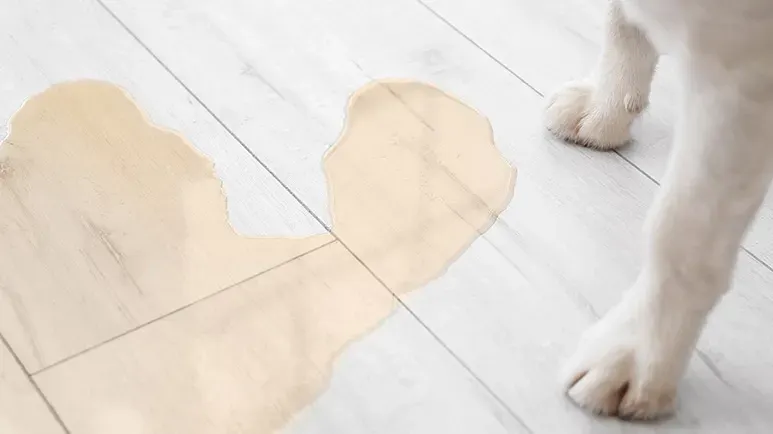
You come home and find a puddle on the kitchen floor where there should not be one. Your previously well-housebroken cat skips the litter box for the third time this week. Your dog asks to go out, squats forever, and barely produces a few drops.
Most pet parents have at least one of these stories. And while the occasional accident may not mean much, a pattern of unusual bathroom behavior is one of the clearer red flags your pet has of saying something is wrong inside their bladder.
What Cystitis Actually Is
Cystitis simply means inflammation of the bladder. It can be uncomfortable, even painful, and it can point to a wide range of underlying issues — some minor, some quite serious. That is why the symptoms are worth paying attention to, and why a veterinary visit is almost always the right next step.1,2
Signs to Watch For
Pets cannot tell you their bladder feels off, but they show you in fairly recognizable ways. The most common signs of cystitis include:3,4,5
- Frequent attempts to urinate, often producing only small amounts
- Straining or excessive squatting
- Crying out, whining, or showing signs of pain during urination
- Blood in the urine (sometimes visible, sometimes only detectable on a test)
- Cloudy or foul-smelling urine
- Accidents in the house or outside the litter box
- Excessive licking of the genital area
- A bladder that feels large or firm to the touch
If you are seeing any of these — particularly any combination of them — call your vet. Cystitis can sometimes signal more serious underlying conditions and getting a proper diagnosis early matters.
What Is Behind It
Cystitis is not a single disease. It is a symptom complex with several possible causes, and the most likely culprit varies between dogs and cats.
In dogs, the most common cause is bacterial infection. Less often, cystitis can be triggered by bladder stones (which can have sharp edges that irritate the bladder wall), bladder tumors or polyps, anatomical abnormalities (more common in female dogs), or as a secondary symptom of other conditions like diabetes, Cushing's disease, or kidney disease.
In cats, the picture is often different. Bacterial infections are actually less common, especially in cats under 10 years of age. The most frequent diagnosis in younger cats is something called Feline Idiopathic Cystitis (FIC), also known as sterile cystitis or Pandora Syndrome. FIC produces all the classic cystitis symptoms — with no bacterial infection involved.6
Researchers believe FIC is closely linked to stress. Cats have a special protective layer inside their bladder that shields the bladder wall from the harsh chemicals in urine. Chronic anxiety appears to wear that layer down, leaving the underlying tissue exposed and inflamed. Studies of cats with FIC have shown significant symptom reduction — as much as 75% to 80% — when they are moved into a lower-stress, environmentally enriched home setting. That is a remarkable result for what is essentially a non-medical intervention.7,8
Cats can also develop the same physical causes dogs do — stones, crystals, tumors, polyps — so a proper veterinary workup is still essential.
The Diagnostic Process
Because cystitis has so many possible causes, an accurate diagnosis matters. Your veterinarian will typically start with a physical exam, including palpating the bladder, and ask about your pet's recent behavior and symptom history. From there, the workup may include:9
- Urinalysis to look for abnormal pH, blood, white blood cells, crystals, and other abnormalities
- Culture and sensitivity testing helps identify whether bacteria are present and, if so, which antibiotics they will respond to
- Cystocentesis involves drawing urine directly from the bladder with a fine needle, which gives the most sterile sample; this is frequently performed using ultrasound guidance
- A blood chemistry panel and complete blood count to check for underlying issues like diabetes, Cushing's, or kidney disease
- Radiographs (X-rays) to look for stones (though they will not show tumors or polyps)
- Ultrasound to detect stones, tumors, polyps, or thickening of the bladder wall
- Contrast Radiographs (X-rays) are used in some cases when standard imaging is not enough
An important note on antibiotics: in some cases, veterinarians prescribe an antibiotic before the culture results come back. That can be a reasonable interim step, but the culture is what confirms whether antibiotics are actually appropriate — and if so, which ones. Antibiotics should ideally be used only when a bacterial infection has been confirmed.
Treatment Depends on the Cause
Once your vet knows what is actually driving the cystitis, treatment can be targeted appropriately:10,11
- Bacterial infections — A confirmed bacterial infection typically calls for antibiotics chosen based on culture results, with probiotics to support gut health and a follow-up urinalysis to confirm the infection has cleared.
- Stones, crystals, tumors, or anatomical issues — These often require more involved interventions like dietary changes, prescription diets, medications, or surgery.
- Underlying systemic conditions — If diabetes, Cushing's, or kidney disease is driving the cystitis, those primary conditions need their own treatment.
- FIC in cats — Because there is no bacterial infection to treat, the focus shifts to reducing stress, increasing hydration, and supporting the bladder lining.
The Power of Hydration and Diet
Water matters enormously, as good hydration helps dilute the urine, flush bacteria and irritants out of the bladder, and prevent crystal formation. For pets prone to cystitis, increasing water intake is one of the simplest and most impactful changes you can make. Here are some practical tips:
- Always keep fresh, clean water available, and refresh it daily.
- Try a pet water fountain — many cats and some dogs are drawn to moving water.
- Add a splash of homemade bone broth to water or food to encourage drinking.
- Make their food “soupy” by adding water or broth to whatever they normally eat.
- Consider transitioning toward higher-moisture food — many holistic veterinarians recommend reducing or eliminating dry kibble for pets prone to cystitis, since the lack of moisture stresses the urinary tract over time.
Diet matters in another way, too. A balanced, high-quality diet supports overall immune function, which is your pet's natural defense against infection. For pets with specific conditions like bladder stones, your vet may recommend a prescription diet or a homecooked diet — and you should always check before making major dietary changes.12,13
Supportive Approaches That May Help
Alongside conventional treatment, many veterinarians — including some holistic-minded ones — discuss supportive options that may complement the main plan. Always run these by your vet before starting anything new:14,15
- Cranberry compounds — May help prevent certain species of bacteria (particularly E. coli) from sticking to the bladder wall, though research in dogs is still limited.
- D-mannose — This natural sugar works similarly, also with limited but interesting research.
- Omega-3 fatty acids — They offer anti-inflammatory effects that may help reduce bladder inflammation.
- Probiotics — Support immune function and rebuild healthy gut flora, especially during or after antibiotic use.
- Pheromone diffusers (for cats) — They release calming scent compounds, which can be helpful for stress-related FIC.
- Herbs like marshmallow root, juniper berry, and uva ursi — These have traditional anti-inflammatory uses, though best used under professional guidance.
Many supplements have promising mechanisms but limited high-quality research in dogs and cats specifically. They are not substitutes for proper veterinary diagnosis and treatment — they are potential additions to it.
The Cat-Specific Piece: Stress Matters
If you have a cat with recurring cystitis, paying attention to their stress level may be the single most impactful action you can do. The research is clear that environmental enrichment and stress reduction can make a major difference in FIC. These important factors often help:
- Having a clean, well-positioned litter box (one per cat plus one extra, ideally)
- Providing plenty of hiding spots and elevated perches
- Having predictable routines for feeding and play
- Setting up multiple food, water, and resting stations in multi-cat homes
- Minimizing exposure to triggers like noisy environments or sudden household changes
- Engaging in interactive play and other forms of enrichment
Any sudden change — a new pet, a move, a litter change, a new schedule — can be a trigger. Sometimes the simplest interventions are also the most powerful.16
When to Call the Vet — Immediately
Some cystitis symptoms are not a wait-and-see situation. Call your veterinarian right away if you see:17
- Visible blood in the urine
- Straining with no urine being produced (especially in male cats, this can be a life-threatening medical emergency)
- A large, firm bladder you can feel
- Crying out in pain when trying to urinate
- Lethargy, loss of appetite, or vomiting alongside urinary symptoms
A male cat unable to urinate is one of the most time-critical emergencies in veterinary medicine. If you have any concern your cat is blocked, head to an emergency clinic immediately.
The Bottom Line
Bathroom changes in your dog or cat — frequent attempts, straining, accidents, visible discomfort — are some of the clearest, easiest-to-miss signals that something is wrong with their urinary tract. Whether it turns out to be a bacterial infection, a stone, a stress-driven flare in a cat, or a symptom of something deeper, cystitis is your pet's way of waving a small red flag.
The good news is that most cases respond well when caught early and treated thoughtfully. A proper diagnosis from your vet, plus a willingness to look at the bigger picture — water intake, diet, environment, stress, overall wellness — gives most pets a real shot at moving past the discomfort and staying past it. So pay attention to the puddles, the squatting, the trips to the litter box that produce nothing. They are telling you something.
Sources and References
- 1,3 Holistic Actions, Holistic Help for Dogs and Cats With Cystitis Symptoms
- 2,4,6,7,9,10,13,14,17 Naturally Healthy Pets by Dr. Judy Morgan, July 9, 2025
- 5,11,12,15 Animal Wellness Magazine, June 2, 2026
- 8 The Ohio State University, College of Veterinary Medicine, Environmental Enrichment Resources and References
- 16 Journal of Veterinary Internal Medicine, Volume 25, Issue 4, July-August 2011, Pages 784–796

Better Health Begins in the Bowl

Better Health Begins in the Bowl
The Ultimate Pet Nutrition Guide was created to help dog and cat parents understand what truly supports lifelong health.
In this free guide, you’ll discover:
-

How your pet’s biology influences their nutritional needs
-
Why conventional feeding advice often falls short
-
Practical ways to choose better food for your dog or cat
View our Privacy Policy and Terms of Service.