Banned in 1975, yet These Pets Still Sicken People
Even though you can't legally buy one of these pets, they still sickened 473 people between 2011 and 2013. Tiny and cute, people are drawn to them like flies, so their presence in homes is making a comeback. Please resist the temptation to bring one home.

Reviewed by Dr. Becker


Join the Bark & Whiskers™ Family
Sign up today for our FREE newsletter, packed with expert advice and insider tips to keep your beloved pet in tip-top shape.
View our Privacy Policy and Terms of Service.

STORY AT-A-GLANCE
- Human cases of salmonella linked to turtles is on the rise; 473 people were sickened between 2011 and 2013
- Small pet turtles sold by street vendors are common culprits, and children under 5 are most at risk
- All turtles, along with lizards, snakes, frogs, salamanders and newts, may carry salmonella
- The FDA banned the sale of small turtles in 1975, but illegal sales persist at street vendors, flea markets, and other venues, driving ongoing outbreaks
- Reptiles including turtles are responsible for an estimated 74,000 cases of salmonellosis in the U.S. every year, and even healthy-looking turtles can contaminate surfaces throughout the home
Editor's Note: This article is a reprint. It was originally published May 10, 2016.
Many children are drawn to turtles as pets — they’re small, cute and often regarded as a perfect “starter” pet. But if you have young children, turtles usually do not make good pets.
Many parents are unaware that turtles carry salmonella bacteria, which is especially dangerous for small children, the elderly or people with compromised immune systems.
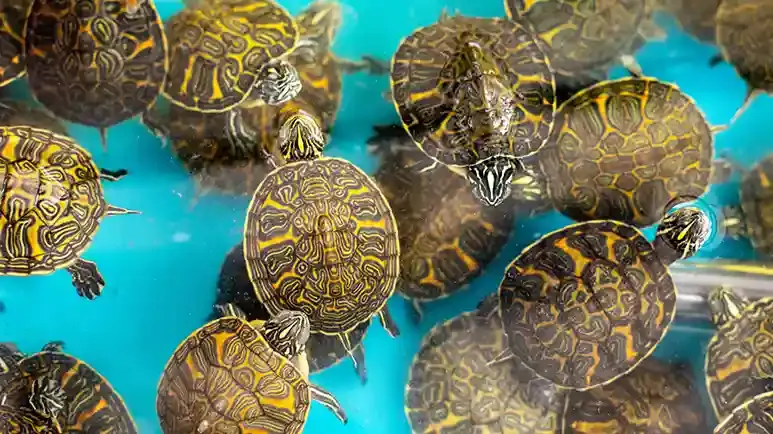
Small pet turtles, those with shells that measure four inches long or less, are particularly alluring to children — so much so that the U.S. Food and Drug Administration (FDA) banned their sale in 1975. The turtles are so small that young children can easily put them in their mouth, leading to infection.
Small turtles caused an estimated 280,000 Salmonella infections each year, mostly in children, prior to the ban. To this day, the U.S. Centers for Disease Control and Prevention (CDC) calls the ban likely “the most effective public health action to prevent turtle-associated salmonellosis.”1
Small turtles have been making a comeback, however, despite the ban, and along with them has been a rise in salmonella infections.
Turtle-Associated Salmonellosis (TAS) on the Rise
Since 2006, the number of multi-state TAS outbreaks has increased, according to research published in the journal Pediatrics.2 The study highlighted eight such outbreaks, which occurred between 2011 and 2013, and sickened 473 people.
The median age of those affected was 4 years, although the patients’ ages ranged from one month to 94 years. Most of the TAS cases (78%) involved children and more than half (55%) were under 5.
Twenty-eight percent of those affected were hospitalized but, fortunately, no deaths were reported. Nearly 70% of the patients reported turtle exposure in the week preceding illness and, of them, 88% said they’d had contact with small turtles.
There was even a case of an infant becoming ill after her baby bottles were washed in a sink used to clean a turtle habitat.
When the researchers, which were from the CDC and several state health departments, asked some of the parents if they knew reptiles are a source of salmonella, only 15% said they did.3
In 2015, the CDC reported 51 cases of salmonella-related illnesses associated with turtles that occurred from January 2015 to September 2015.
Fifteen people were hospitalized as a result, and most of the people (80%) reported handling or buying small turtles from a street vendor or receiving the turtle as a gift.4
Any Distribution of Small Turtles Is Illegal
You won’t typically see small turtles for sale at pet stores, but they’re often available from small vendors at flea markets, beaches and other family-friendly locales.
In addition to the ethical issues associated with the mass breeding of these easily exploitable animals, vendors may try to get around the law by selling the aquarium and giving the turtle away for free, with the purchase of a tiny (and unsuitable) enclosure, but even this type of distribution is illegal.
Maroya Walters of the CDC’s division of foodborne, waterborne, and environmental diseases, told STAT:5
“Any distribution of these small turtles as pets is illegal … So that is whether they are sold directly as a pet or whether they are offered for free with the purchase of an aquarium.”
To be clear, it’s not only small turtles that pose a salmonella risk. All turtles, along with lizards, snakes, frogs, salamanders and newts, may carry salmonella. The bacteria are naturally occurring in these reptiles and amphibians, and even a negative salmonella test is not a guarantee of safety.
Turtles don't shed salmonella all the time, meaning a negative test result doesn't rule out infection. In the U.S., it's estimated that reptiles, including turtles, are responsible for 74,000 cases of salmonellosis every year.6
Providing a suitable habitat for these creatures is a considerable undertaking, unlike what most vendors will tell you.
An appropriate size aquarium (20 gallon to start, knowing the turtle will outgrow this size aquarium within the first year), water filter and pump, appropriate UV light, day and night heat lamp, as well as species appropriate food (including live worms and insects) will be required to adequately provide for these animals, despite the cheap initial investment.
To give you an estimate, the correct setup for a juvenile red eared slider or painted turtle costs about $100.
For most people, these “street turtles” are novelty impulse purchases, which pets should never be. This means many of these turtles die due to lack of an appropriate environment or care.
Additionally, the stress associated with these newborn animals being in the pet trade may increase the shedding of all bacteria, including salmonella.
Even Healthy Turtles Can Make You Sick
A turtle that carries salmonella will not look sick, so it’s best to assume that any reptile or amphibian you come across is a carrier. It’s not only the turtles themselves that pose a risk but also their habitat and tanks.
Children may become infected from handling the turtle or their habitat (including changing the tank’s water) as well as from bacteria left in a sink or bathtub after cleaning the turtle’s tank. Also, if you let the turtle roam around your home, anything the turtle touches — countertops, carpets, wood floors, etc. — can also become contaminated. Vic Boddie II, Ph.D., a consumer safety officer in the FDA’s Center for Veterinary Medicine, explained:7
“Even if a small turtle doesn’t look sick, it may still carry Salmonella that could make young children sick. And unfortunately, children will unknowingly infect themselves …
Kids have the tendency to put the small turtles in their mouths or play in the turtle habitat and then put their fingers in their mouths.
… Also, reptile habitats are sometimes cleaned in the kitchen sink, which could cross-contaminate food and eating utensils, thus posing a serious risk to both kids and the elderly.”
Pet Turtle Safety Tips
If you have young children, you’re elderly or you have lowered immunity (for instance due to pregnancy, cancer or other diseases), it’s best to keep turtles out of your home. If these conditions don’t apply to you and you’re considering a reptile as a pet, here are some tips to help you choose the right reptile for you. The U.S. FDA also offers the following tips to stay safe around pet turtles:8
- Don’t buy small turtles (under 4 inches) or other reptiles or amphibians for pets or as gifts.
- If your family is expecting a child, isolate the reptile or amphibian to a specific area of the home.
- Keep reptiles and amphibians out of homes with children younger than 5, the elderly, or people with weakened immune systems.
- Do not allow reptiles or amphibians to roam freely through the house, especially in food preparation areas.
- Do not clean aquariums or other supplies in the kitchen sink. Use bleach to disinfect a tub or other place where reptile or amphibian habitats are cleaned.
- Always wash your hands thoroughly with soap and water after touching any reptile or amphibian, its housing, or anything (for example, food) that comes in contact with the animal or its housing.
- Be aware that salmonella infection can be caused by contact with reptiles or amphibians in petting zoos, parks, child-care facilities, or other locations.
- Watch for symptoms of salmonella infection, such as diarrhea, stomach pain, nausea, vomiting, fever, and headache. Call your doctor immediately if you have any of those symptoms.
- If you opt to have amphibians or reptiles as pets, make sure you are buying ethically raised, captive bred animals, or even better, adopt or rescue one in need.
Sources and References

Better Health Begins in the Bowl
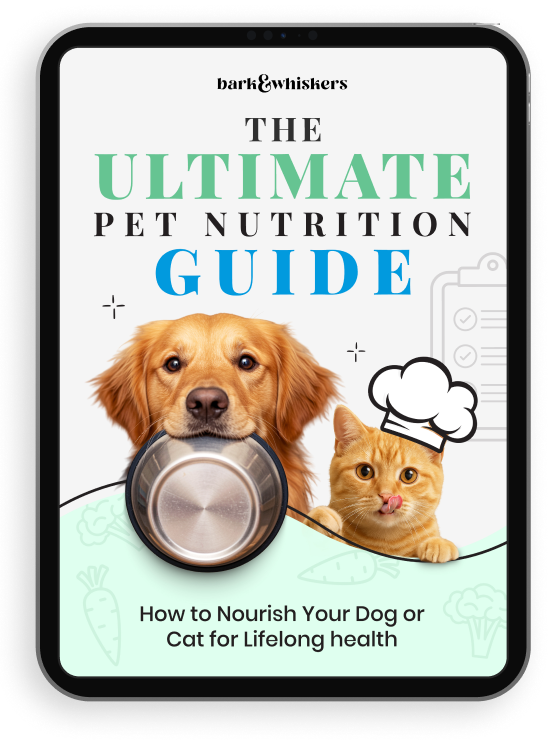
Better Health Begins in the Bowl
The Ultimate Pet Nutrition Guide was created to help dog and cat parents understand what truly supports lifelong health.
In this free guide, you’ll discover:
-

How your pet’s biology influences their nutritional needs
-
Why conventional feeding advice often falls short
-
Practical ways to choose better food for your dog or cat
View our Privacy Policy and Terms of Service.